DeWalt DCK240C2 vs Ryobi PCL1200K2 is the real starter-kit decision for new homeowners who want one buy that covers repairs, shelves, garage storage, and weekend projects.
Current recommendations are research-backed. Each article identifies its evidence, sources, update date, and limitations. No current guide is presented as hands-on tested. As an Amazon Associate, ToolShed Tested earns from qualifying purchases. When you buy through our links we may earn a commission -- at no extra cost to you. Product links and article details last reviewed June 6, 2026. Full disclosure.
Most new homeowners do not need a giant tool collection on day one. They need one cordless base that handles shelves, curtain rods, furniture, loose hardware, garage hooks, cabinet pulls, light repairs, and the first weekend project that immediately exposes three more missing tools. That is why the real first-buy decision is usually not drill versus impact driver. It is DeWalt DCK240C2 versus Ryobi PCL1200K2.
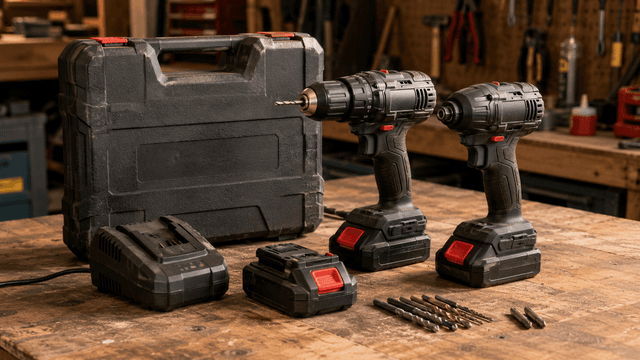
Both kits solve the same first problem: you need to drill holes and drive screws without buying batteries, a charger, and a bag separately. The difference is what happens next. DeWalt is the stronger default if you expect bigger projects soon. Ryobi is the stronger default if you want the most forgiving entry into a broad DIY platform and need to protect budget.
Quick Answer
Buy the DeWalt DCK240C2 if you want the safest all-around first cordless kit and expect to add a circular saw, sander, oscillating tool, or stronger impact driver later. Buy the Ryobi PCL1200K2 if the first-year project list is lighter and you care more about keeping the system affordable while still covering everyday homeowner jobs.
Spec and Buying Reality
On paper, both kits give you the same core shape: drill, impact driver, batteries, charger, and a bag. In practice, the buying decision is less about the first box and more about the second and third purchases. New homeowners almost always add at least one of these next: a circular saw, shop vac, sander, oscillating multi-tool, inflator, work light, or yard tool.
That is where platform choice matters. DeWalt 20V MAX is the easier step-up when the house list gets heavier. Ryobi ONE+ is the easier step-up when you want decent coverage across garage, home, and yard tools without moving into a more expensive platform right away.
Why DeWalt DCK240C2 Wins for Most New Homeowners
The DCK240C2 wins because it is the least risky first-tool decision. The kit covers the two tools homeowners reach for most often, and the DeWalt follow-on path is straightforward. If the next purchase is a saw for shelves and plywood, DeWalt already has an obvious answer. If the next purchase is a sander for trim, patched walls, or furniture cleanup, the platform still makes sense. If the next purchase is a better impact driver, the upgrade path is clean.
The other advantage is project confidence. DeWalt starter kits feel like they are pointed toward heavier homeowner use even when the included tools are still entry-level. That matters when the to-do list shifts from curtain rods and cabinet hardware into fence boards, deck screws, workbench builds, or garage storage.
Where Ryobi PCL1200K2 Makes More Sense
The Ryobi kit is the better answer when budget has to stay tight and the project list is lighter. It is strong for assembly, shelves, hooks, closet systems, picture hanging, small repairs, and general house setup. Ryobi's bigger advantage is the broader DIY-friendly ecosystem around the core tools. Buyers often add inflators, lights, fans, and yard tools faster than they add pro-grade saws or heavier-duty drills.
If the house needs a practical everyday battery system more than it needs a future-leaning project platform, Ryobi is easier to justify. That is especially true if you expect the tools to spend more time on maintenance and smaller upgrades than on framing, deck work, or renovation-heavy weekends.
When to Skip Both and Step Up
The Makita XT269M is the step-up alternative when you already know this will not stay casual. It gives you brushless tools, better batteries, and a more refined feel than most entry kits. The Milwaukee 2997-22 is the premium answer only when the house project list already includes heavier remodel work, masonry anchors, or large outdoor builds. For most new homeowners, Milwaukee is more capability than the first year requires.
If the budget is already stretched by moving costs, furniture, blinds, and basic repairs, stepping up too early is usually the wrong move. The first tool purchase should remove friction from common jobs, not consume the budget for the next five house fixes.
Which Kit Fits the First-Year Project List
Choose DeWalt if the first-year list includes garage shelving, fence repairs, workbench builds, deck screws, plywood cuts once you add a saw, or a likely expansion into stronger cordless tools. DeWalt also makes more sense if you know you prefer buying fewer but stronger platform tools over time.
Choose Ryobi if the first-year list is closer to storage setup, furniture assembly, light hardware, wall-mounted organization, and occasional small projects. Ryobi is also the more forgiving answer when the second and third purchases may be convenience tools rather than heavier project tools.
What to Buy Next After Either Kit
After either combo kit, the next high-leverage buy is usually a circular saw or a shop vac depending on the house. Saw first if the projects involve shelves, plywood, fence boards, or garage storage builds. Vac first if the garage, basement, driveway, or project mess is the real friction point. After that, add a sander or oscillating multi-tool based on whether the work is more finish-focused or repair-focused.
If you want the broader starter path, see our best Amazon tool starter kit for new homeowners and our best garage cleanup kit on Amazon. If you already know you want a larger roundup of kits, the best cordless tool combo kits guide is the next step.
FAQ
Is DeWalt or Ryobi better for a first-time homeowner?
DeWalt is better for buyers who expect heavier projects and a stronger long-term upgrade path. Ryobi is better for buyers who want a more affordable, broad DIY ecosystem for lighter household work.
Is the DeWalt DCK240C2 enough for a new house?
Yes as a starting point. It covers drilling and fastening immediately. Most homeowners will still add a saw, vac, or sander next, but the kit solves the first and most common jobs cleanly.
Is the Ryobi PCL1200K2 too light-duty?
No for normal homeowner use. It is light-duty only relative to heavier remodel or deck-building project lists. For shelves, assembly, hooks, and everyday repairs, it is a practical starter kit.
Should new homeowners start with one battery platform?
Yes for cordless tools. Starting with one main platform keeps batteries, chargers, and future tool purchases simpler and cheaper.