WEN 56235i Super Quiet 2350-Watt Portable Inverter Generator
Best Budget Inverter Generator Overall: The WEN wins on output, weight, noise and warranty for a small price premium. It is the default budget pick.
66 articles
Direct product picks for buyers who are ready to compare models, with the full guide one click away.

Best Budget Inverter Generator Overall: The WEN wins on output, weight, noise and warranty for a small price premium. It is the default budget pick.

Best for Long-Term Ownership and Storm Backup: The EU2200i earns its price on noise, carbon monoxide safety and engine life, but only if you actually use it often enough to collect on those advantages.

Best for Most Buyers: The better buy for most people. The chuck, the light and the stronger motor are upgrades you use on nearly every project.

Best Budget MIG for Real Fabrication: The MIG-205DS PRO is the budget welder that behaves most like a real shop machine, and the one to buy if you will weld anything thicker than 1/4 inch.
Amazon paid links. We may earn from qualifying purchases; prices and availability change.

WEN 56235i vs Pulsar G2319N: two sub-$500 suitcase inverter generators separated by about $44. The WEN is lighter, quieter, makes more power and carries twice the warranty. Here is when the Pulsar still makes sense.

Honda EU2200i vs WEN 56235i: the WEN makes slightly more power, weighs 8 pounds less and costs about $755 less. The Honda is quieter, better built, adds carbon monoxide shutoff and carries a longer warranty. Here is which one to buy.

Dremel 4300 vs 4000: the two corded Dremel flagships share a 5,000 to 35,000 RPM range but differ on motor amperage, accessory changes and onboard lighting. Here is which one belongs on your bench.

YESWELDER MIG-205DS PRO vs ARCCAPTAIN 165A: the two budget MIG welders readers cross-shop most differ on output, spool size, weight and about $290 in price. Here is which one to buy for your garage.

Lincoln POWER MIG 211i vs Millermatic 211 PRO: the two prosumer dual-voltage MIG welders differ on duty cycle, controls, gun length, wire range and about $230 in price. Here is which one belongs in your garage.

DeWalt DW735X vs DW734: the two-speed 13 inch DW735X and the single-speed 12-1/2 inch DW734 share the same motor and cutterhead but differ on feed speed, chip ejection, width and about $110 in price. Here is which one to buy.

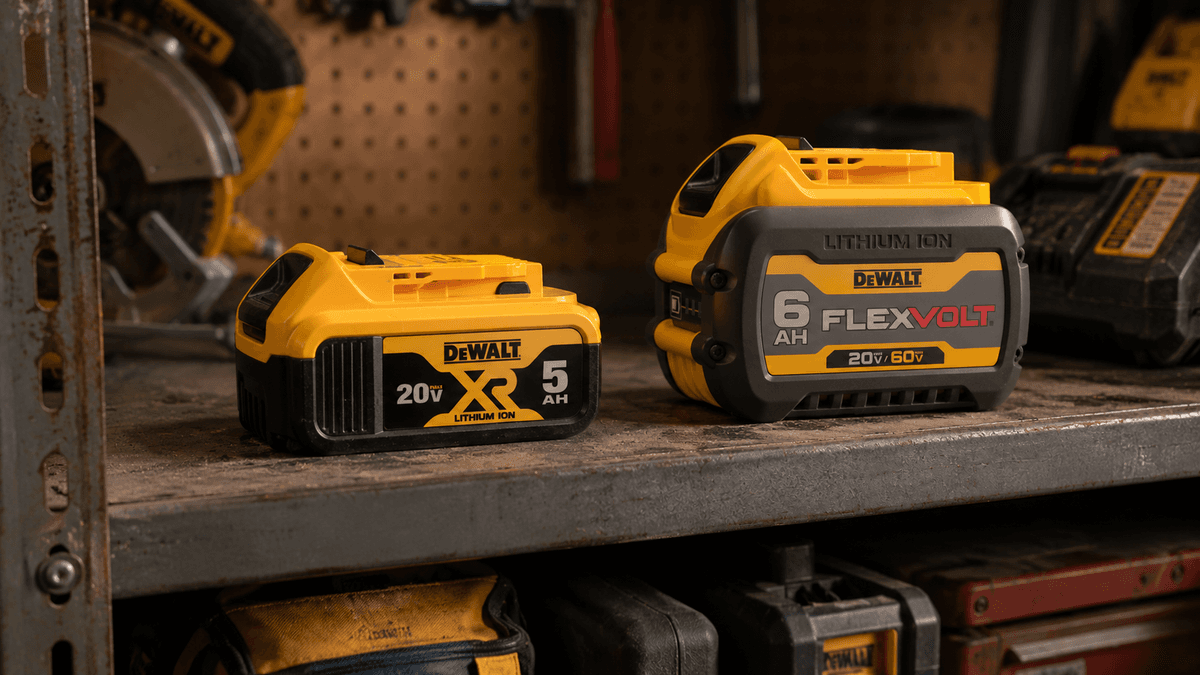
20V MAX and 18V platforms use the same nominal-voltage class. DeWalt publishes the 18 V nominal figure itself. Pack construction, electronics, connectors, and performance can still differ.

We read the published warranty terms for 7 major power tool brands on 2026-08-24. Every brand covers the tool longer than the battery, and the gap is widest exactly where the marketing is loudest.

The Ridgid WD1450 is the better whole-garage workhorse. The DeWalt DXV06P is easier to store and move for cars, benches, and weekly cleanup.

When it comes to flattening wood—whether you're preparing rough lumber or refining surfaces on smaller workpieces—the choice between a hand plane and a power planer shapes your entire workflow.

When you're setting up a woodworking shop or tackling trim work around your home, understanding the difference between a brad nailer and a finish nailer can save you time, money, and frustration.

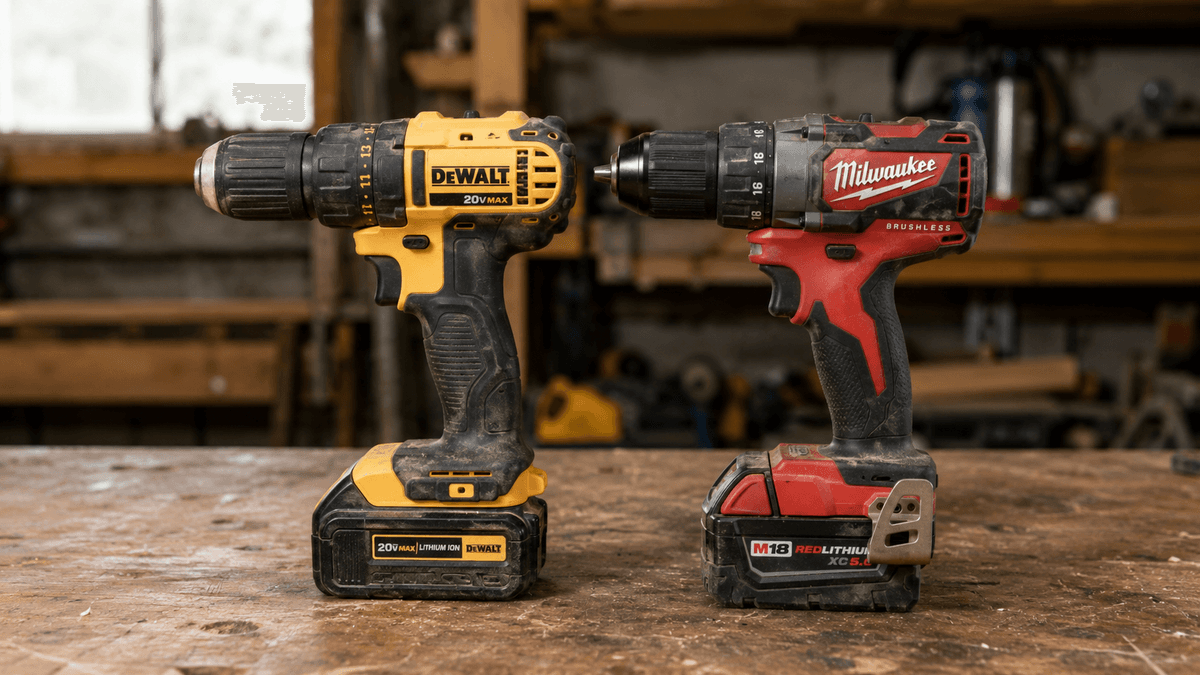
We compare DeWalt and Milwaukee's flagship heavy-duty and compact cordless drills head-to-head. Find out which brand's battery ecosystem is the right investment.

Craftsman and Ryobi are the two biggest budget-friendly power tool brands on the market. Here is how to decide which platform is the right starting point for your home workshop.

Milwaukee 2997-22 vs DeWalt DCK240C2 is the combo-kit decision that matters when you want one serious drill-and-impact setup and do not want to buy into the wrong price tier or battery platform.

DeWalt DCF850B vs DCF887B is the buyer decision that matters if you want one 20V MAX impact driver and do not want to overpay for the wrong shape or performance tier.

DeWalt DCK240C2 vs Makita XT269M is the right first combo-kit decision for buyers who want both drilling and fastening covered without wasting money on the wrong platform tier.

DeWalt DCD771C2 vs Makita XFD131 is the right first-drill decision for buyers who want a real kit now without regretting the platform or performance tier later.

DeWalt DCK240C2 vs DCD771C2 is the real first-buy decision for shoppers trying to avoid overspending while still covering the jobs that show up immediately.

We break down the single most important tool decision you will make: which cordless battery platform to buy into. DeWalt 20V MAX is the pick for most buyers, Milwaukee M18 for pros, Makita LXT for finish work, and Ryobi ONE+ for budget DIY, with honest switching-cost math for anyone already invested.
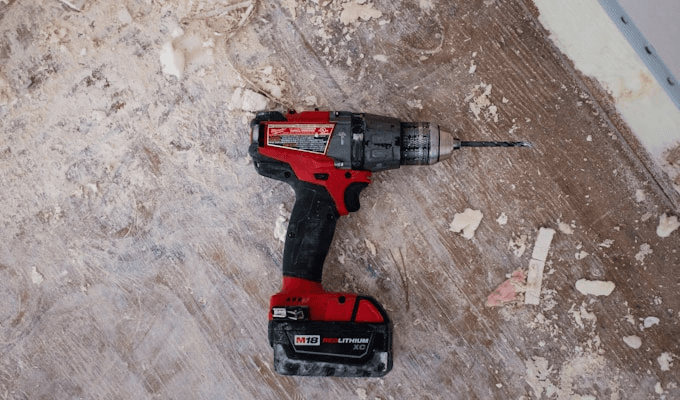
Impact drivers and impact wrenches use similar impact mechanisms, but they solve different jobs. The right pick depends on the fastener, torque demand, and how often you work on bolts versus screws.
DeWalt DCK240C2 vs Ryobi PCL1200K2 is the real starter-kit decision for new homeowners who want one buy that covers repairs, shelves, garage storage, and weekend projects.

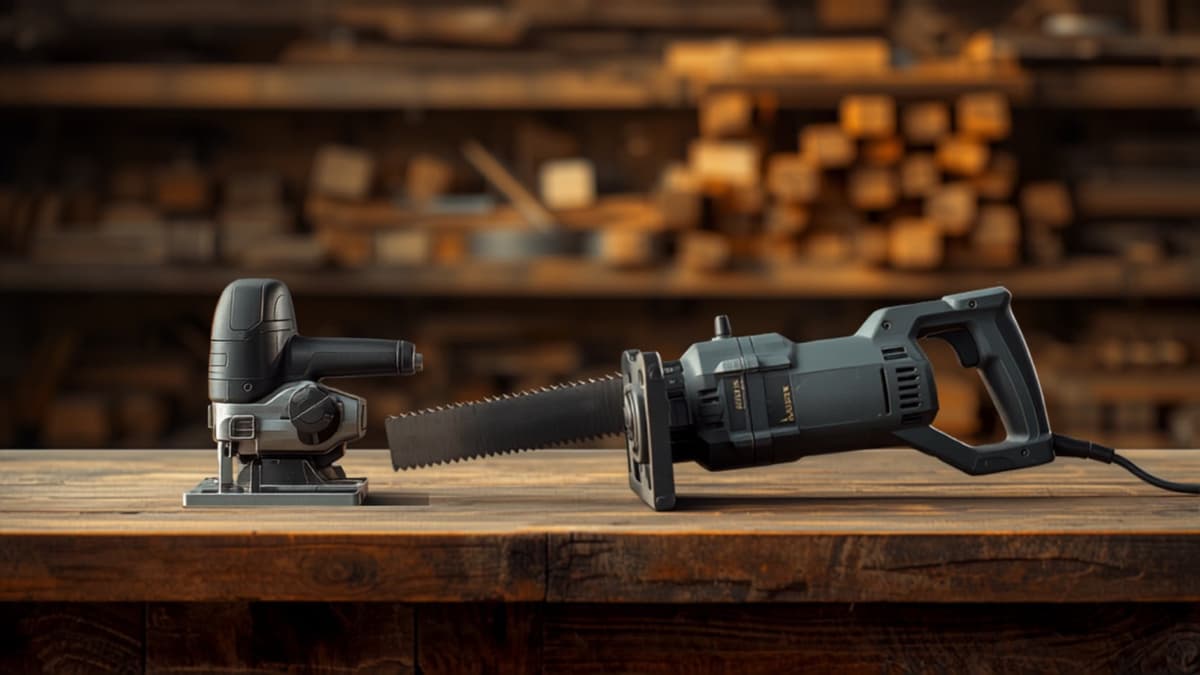
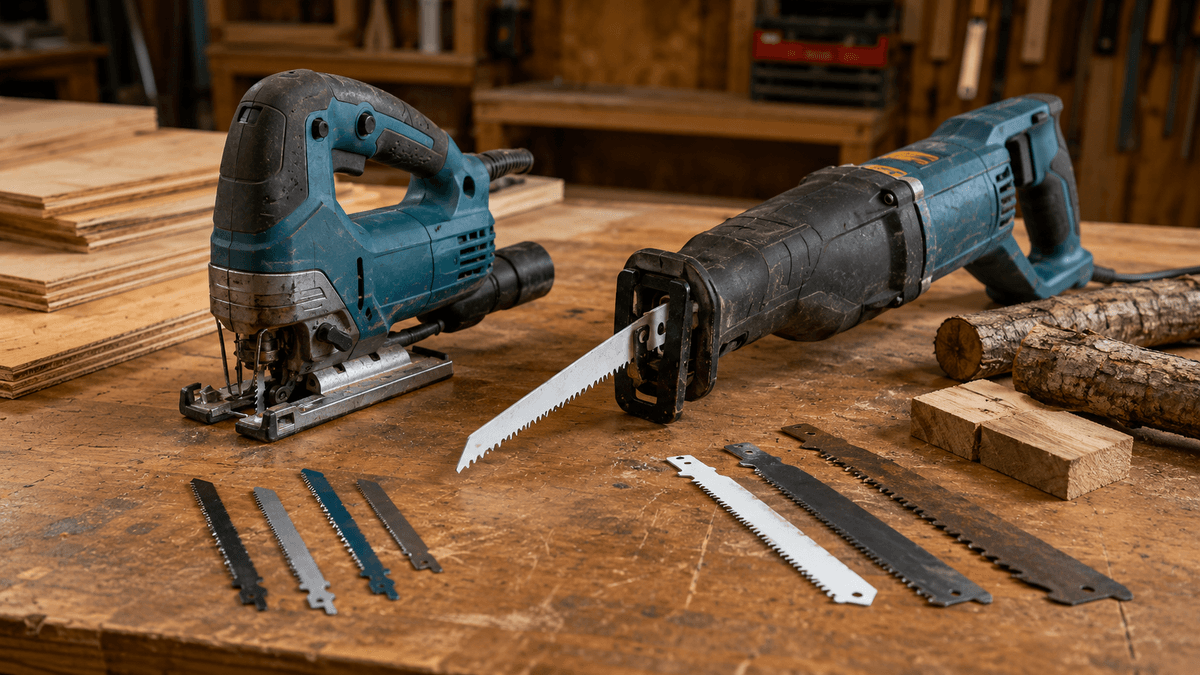
When you're standing in the tool aisle or scrolling through online catalogs, deciding between a jigsaw and a reciprocating saw can feel like choosing between two power tools that look vaguely similar but do entirely different jobs.

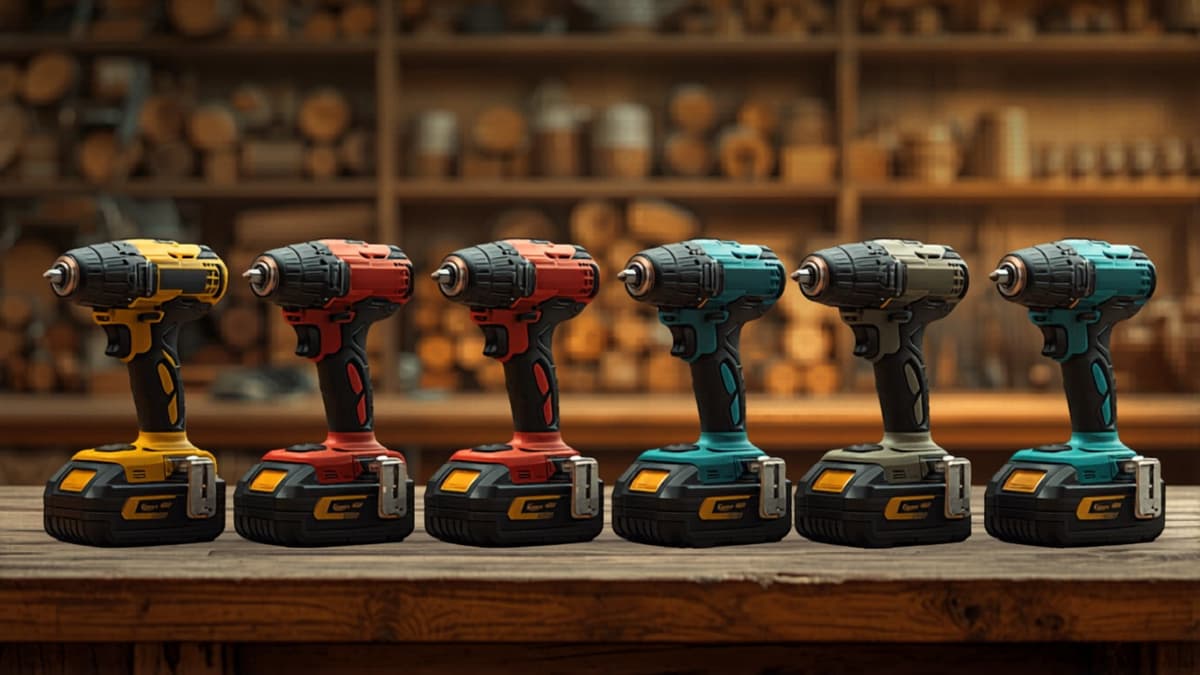
Brushless impact drivers cost $20-50 more than brushed models. For regular users and contractors, that premium pays for itself in longer tool life and better runtime. For occasional use, it depends on the brand.

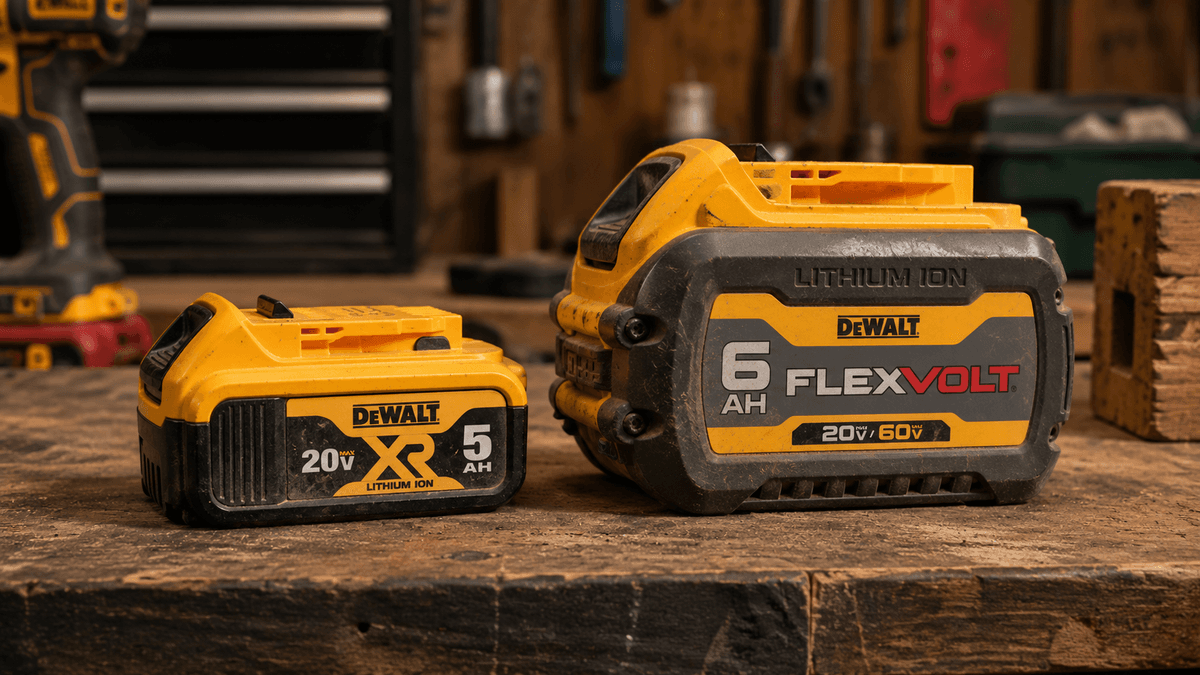
DeWalt runs two cordless ecosystems. 20V MAX covers everyday tools. FLEXVOLT handles the heavy work. Here's how to decide which one -- or both -- belongs in your shop.

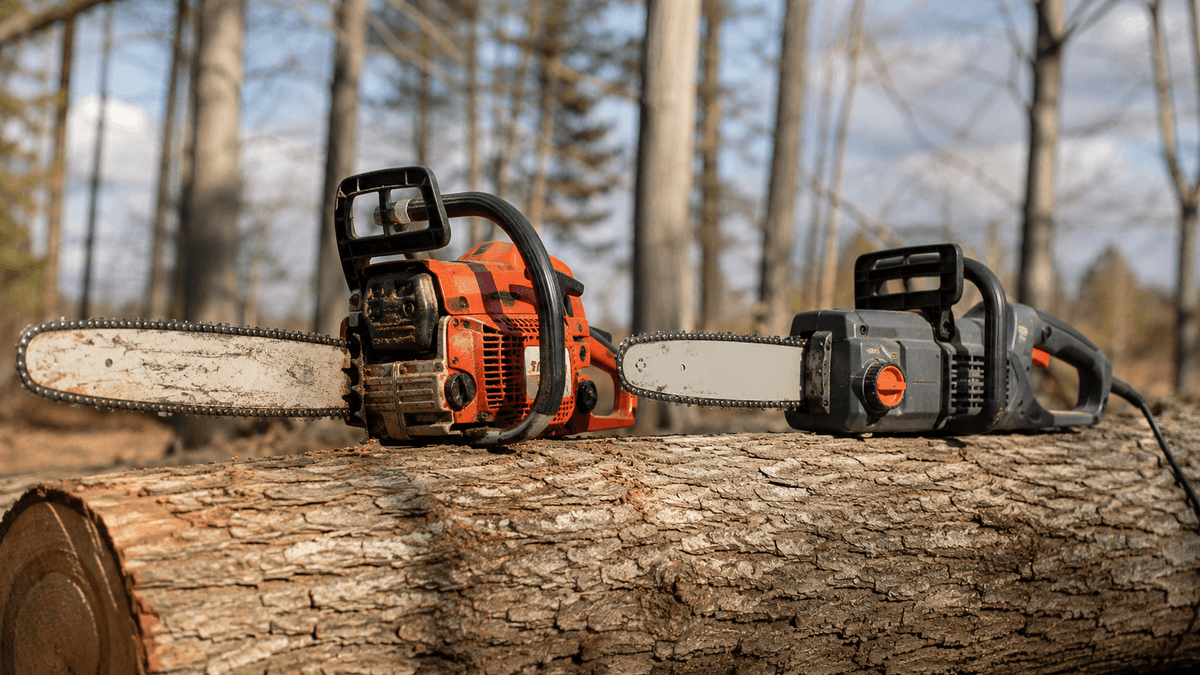
Battery chainsaws in 2026 are not what they were five years ago. For homeowners cutting firewood or handling storm cleanup, they're now a legitimate alternative to gas -- and in some ways easier to live with.

A jigsaw is a precision tool for controlled cuts. A reciprocating saw is a demolition tool. They barely overlap -- the right one depends entirely on the work you're doing.

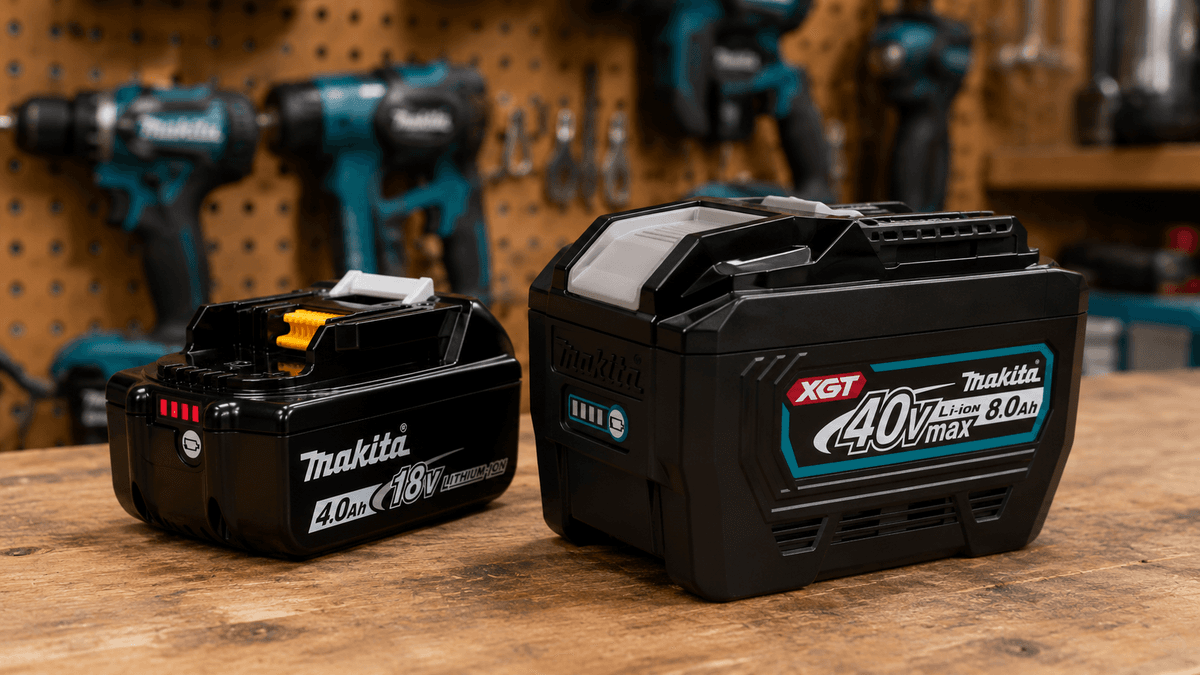
Makita's 40V XGT platform is newer and more powerful. But 18V LXT has the broader compatible tool catalog and a decade of proven performance. Here's how to choose.

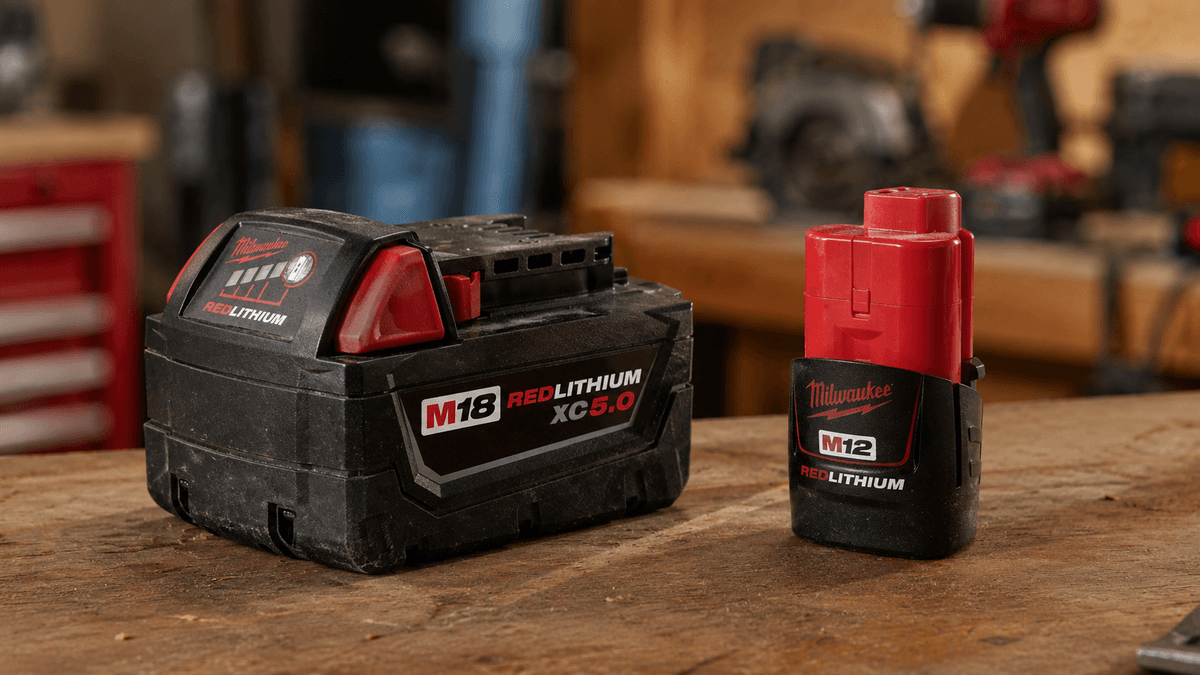
Milwaukee makes two separate battery platforms -- M12 and M18 -- and their batteries do not cross. Picking the wrong one means buying a second set of batteries later. Here is how to pick right the first time.
A miter saw cuts across wood at angles. A table saw rips boards lengthwise. They are not interchangeable -- and most homeowners only need one. Here is how to figure out which one that is.

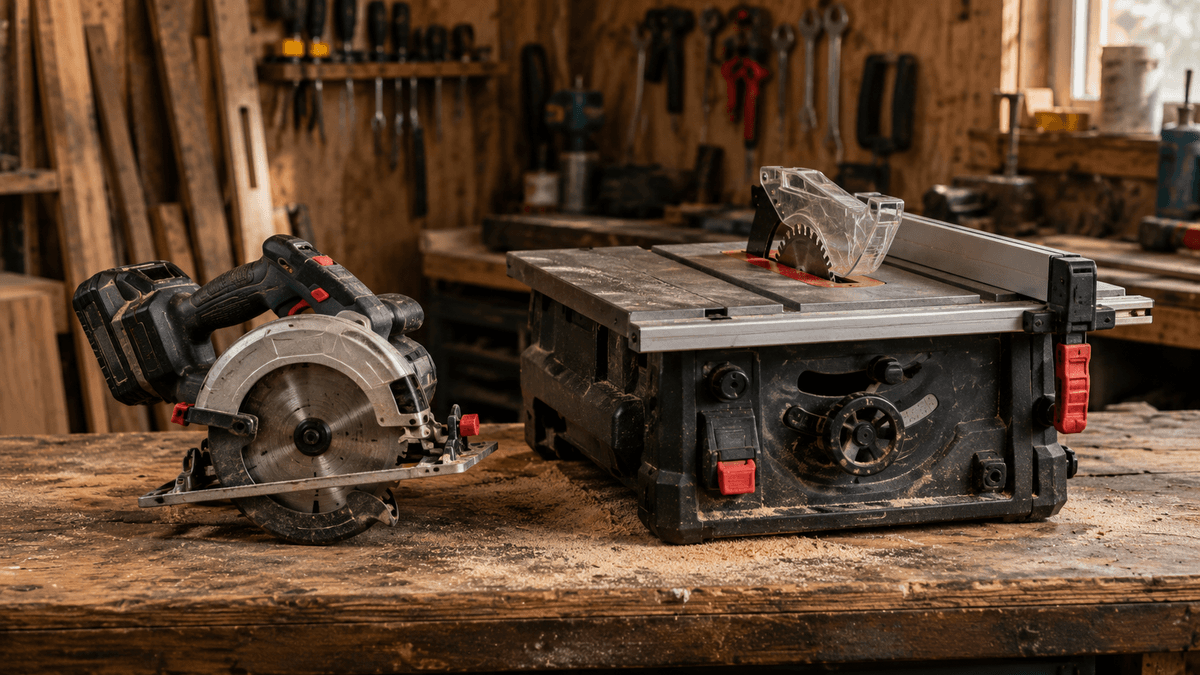
For most beginners, a circular saw is the right first saw. Here's exactly why -- and when a table saw makes more sense.

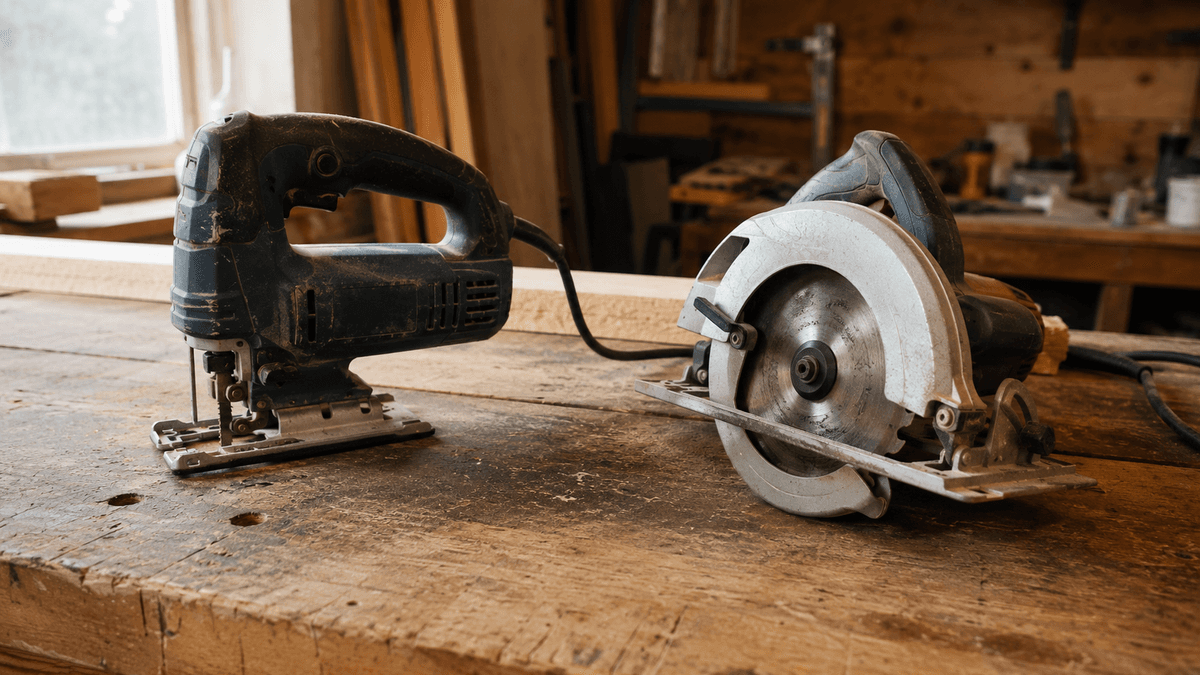
Jigsaws make curves. Circular saws make fast straight cuts. We explain which tool to use for every project -- and which to buy first if you're just starting out.

Ryobi and Milwaukee are both made by Techtronic Industries -- but they're built for completely different buyers. Here's how to decide if upgrading from Ryobi to Milwaukee actually makes sense for your work.

Milwaukee M18 FUEL vs DeWalt DCF850B -- two of the best compact impact drivers available. We compared both on deck screws, lag bolts, and sustained driving to find out which one earns your money.
Makita builds pro-grade tools. Ryobi builds affordable tools. But for a DIYer, which battery platform actually makes more sense? We break down the real differences in power, battery life, ecosystem size, and long-term cost.
DeWalt, Milwaukee, and Makita all make capable cordless tools. The right choice depends on how often you work, what you build, and which batteries you already own.

Cordless angle grinders have caught up to corded in power, but runtime and cost still favor corded for heavy use. Here is a detailed comparison to help you decide.

Ryobi ONE+ HP tools use brushless motors for more power and longer runtime on the same 18V batteries. Here is exactly what is different and whether the upgrade is worth it -- with specific model recommendations.

Angle grinder vs die grinder compared head-to-head for grinding, cutting, and detail work. Which tool belongs in your shop in 2026?

Brushless motors run 25-50% longer per charge and last years longer than brushed. Here is exactly when the upgrade is worth it and when it is not.

Impact drivers crush fasteners fast. Drills give you torque control and precision. We explain the difference and which one to buy for each job.

Milwaukee M18 FUEL vs Makita 18V LXT Impact Driver: we compared both on fastener driving speed, torque control, and battery runtime. Here's which one wins.

Milwaukee M18 FUEL vs Makita 18V LXT Drill: we compared both on torque, ergonomics, and battery efficiency. Here's which drill wins for contractors and serious DIYers.

Ryobi ONE+ HP vs Craftsman V20 Reciprocating Saw: we compared stroke length, cutting speed, and build quality. Here's which entry-level recip saw wins in 2026.

Ryobi ONE+ HP vs Craftsman V20 Circular Saw: we compared cut quality, battery efficiency, and durability. Here's which budget-friendly saw delivers the better value.

Ryobi ONE+ HP vs Craftsman V20 Impact Driver: we compared fastener speed, torque, and battery efficiency. Here's which budget-tier impact driver is worth buying.

Ryobi ONE+ HP vs Craftsman V20 Drill: we compared wood drilling, screw driving, platform fit, and occasional masonry use to find the better homeowner drill.

Bosch GDX18V-1860C vs Makita XDT20Z: we compared both head-to-head on fastener speed, torque control, and ergonomics. Here's which one wins.

Bosch 18V EC Brushless Drill vs Makita 18V LXT: we compared torque, speed, battery efficiency, and build quality. Here's which drill wins for most users in 2026.

Milwaukee M12 FUEL vs M18 FUEL Impact Driver: we compared both platforms on fastener speed, torque, and ergonomics to settle the compact vs full-size debate.

Milwaukee M12 FUEL vs M18 FUEL Drill: compact vs full-size within the same brand. We break down when the M12 is the smarter buy and when M18 is worth the size.

DeWalt ATOMIC vs DeWalt XR Impact Driver: we compared both on fastener speed, torque, and ergonomics to find out if the ATOMIC is good enough or the XR is worth the premium.

DeWalt ATOMIC vs DeWalt XR Hammer Drill: two tiers of the same brand compared head-to-head. We break down where the $100 price gap is actually worth it.

Makita 18V X2 vs Ryobi ONE+ HP 7-1/4-inch Circular Saw: we compared cut quality, battery efficiency, and build. Here's which saw wins for framing and finish work.

Makita 18V LXT vs Ryobi ONE+ HP Brushless Impact Driver: we compared torque, speed, battery runtime, and value. Here's which one earns the spot in your tool bag.

Makita 18V LXT vs Ryobi ONE+ HP Brushless Drill: we compared both through concrete, steel, and hardwood to find out which drill delivers better performance per dollar.

Milwaukee M18 FUEL vs DeWalt FLEXVOLT 60V MAX Angle Grinder: we compared both on metal grinding, cutting discs, and extended use. Here's which one wins.

Milwaukee M18 FUEL SAWZALL vs DeWalt 20V MAX XR Recip Saw: we compared both through demo cuts, pipe, and overhead work. Here's which reciprocating saw wins in 2026.

Milwaukee M18 FUEL Circular Saw vs DeWalt FLEXVOLT 60V MAX: we cut framing lumber, plywood, and hardwood with both. Here's which saw wins for serious jobsite use.

Milwaukee M18 FUEL vs DeWalt 20V MAX XR Impact Driver: the two top-selling pro impact drivers tested head-to-head on speed, torque, and everyday performance.

Milwaukee M18 FUEL Drill vs DeWalt 20V MAX XR Hammer Drill: the two most popular pro drills compared head-to-head on power, speed, and value. Here's the verdict.

EGO, Greenworks, and Ryobi: the three biggest battery OPE platforms compared head-to-head on mowers, trimmers, and blowers. Which platform wins for your yard in 2026?

We compared drills, circular saws, grinders, and battery systems head to head. Milwaukee wins power -- Makita wins ergonomics. Full breakdown inside.

Makita vs DeWalt: we compared drills, saws, grinders, batteries, and ecosystem size.

Ryobi and DeWalt target different buyers at very different price points. We compare battery ecosystems, tool quality, and long-term value so you can p

The evolution of power tools has changed how DIYers and pros choose their gear. We break down the real differences between corded and cordless power tools — covering power output, runtime, convenience

DeWalt and Milwaukee dominate the power tool market, and both have fiercely loyal followings. We compare their flagship tools head-to-head across performance, battery ecosystems, durability, and value