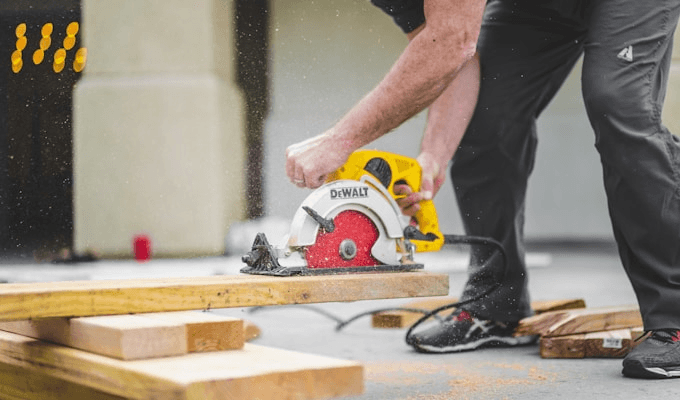
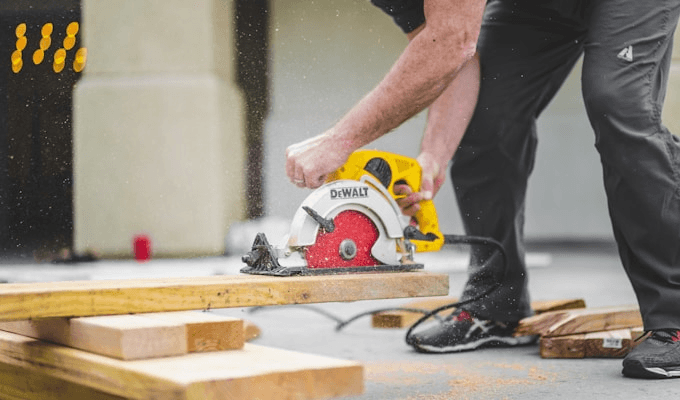
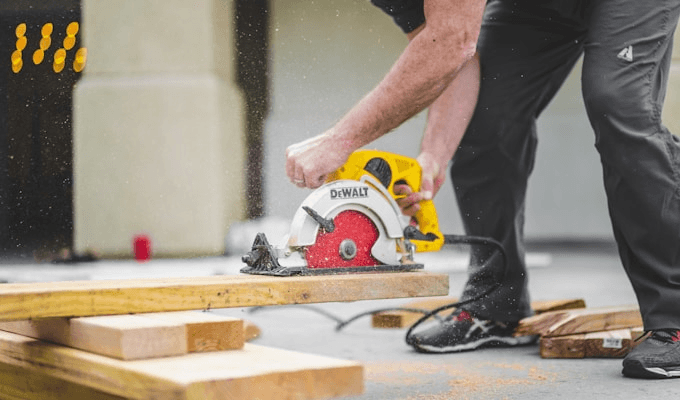
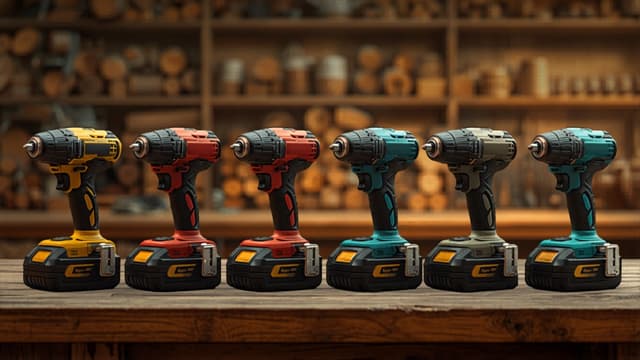
We break down the single most important tool decision you will make: which cordless battery platform to buy into. DeWalt 20V MAX is the pick for most buyers, Milwaukee M18 for pros, Makita LXT for finish work, and Ryobi ONE+ for budget DIY, with honest switching-cost math for anyone already invested.
Current recommendations are research-backed. Each article identifies its evidence, sources, update date, and limitations. No current guide is presented as hands-on tested. As an Amazon Associate, ToolShed Tested earns from qualifying purchases. When you buy through our links we may earn a commission -- at no extra cost to you. Product links and article details last reviewed June 11, 2026. Full disclosure.
✓ Buy if:The lowest-cost on-ramp to a real ecosystem. If your tools work weekends, not job sites, ONE+ stretches a small budget across the most categories.
✕ Skip if:Base ONE+ tools are built for DIY duty cycles, not daily trade abuse
✓ Buy if:The lowest-cost on-ramp to a real ecosystem. If your tools work weekends, not job sites, ONE+ stretches a small budget across the most categories.
Best for
Best Budget Entry
Package
Kit / verify included batteries
✕ Skip if:Base ONE+ tools are built for DIY duty cycles, not daily trade abuse
Every cordless tool you will buy for the next decade hangs on one decision almost nobody makes deliberately: which battery platform you join first. The batteries are the subscription, the tools are the apps, and the four big ecosystems, DeWalt 20V MAX, Milwaukee M18, Makita 18V LXT, and Ryobi ONE+, are all good enough that the real question is not "which brand is best" but "which system fits the work you actually do." This guide is the answer, in one place, with the math.
The 30-Second Answer
Most homeowners and serious DIYers: DeWalt 20V MAX. The widest tool selection, fair prices, and the FLEXVOLT 60V path when you eventually want a cordless table saw or big circular saw.
Pros and heavy daily users: Milwaukee M18. The most powerful 18V-class tools, HIGH OUTPUT batteries, and a 5-year tool warranty.
Finish carpenters and ergonomics-first buyers: Makita 18V LXT. The best-handling tools of the big four and a 275+ tool catalog.
Budget-first DIYers: Ryobi ONE+. One affordable 18V battery runs 300+ products, from drills to glue guns to string trimmers.
Already own batteries? Stay put. The switching-cost math below almost always says your current platform wins, and we show exactly when that stops being true.
That is the decision. The rest of this guide is the reasoning, the platform-by-platform detail, and the starter kits that get you in right. If you want the brand-by-brand tool comparison instead, our DeWalt vs Milwaukee vs Makita head-to-head goes deeper on individual tools.
Where This Guidance Comes From
This is a research-backed platform guide, not a tool shootout. The recommendations come from spec verification across the four catalogs, current street pricing, warranty terms, and the patterns in our own research-backed roundups of cordless drills, impact drivers, and combo kits. Where a claim is a measurement, it links to the roundup that produced it. Where it is a spec, we say so.
Quick Comparison: The Four Platforms at a Glance
Platform
DeWalt 20V MAX
Milwaukee M18
Makita 18V LXT
Ryobi ONE+
Nominal voltage
18V (marketed 20V MAX)
18V
18V
18V
Tools in platform
300+
280+
275+
300+ products
High-power path
FLEXVOLT 60V, same tools
M18 HIGH OUTPUT packs
X2 (two 18V packs = 36V)
ONE+ HP brushless line
Compact sibling system
12V MAX (separate)
M12 (separate, huge)
CXT 12V (separate)
none
Tool warranty
3 years
5 years
3 years
3 years
Primary buyer
DIY through pro
Trades and heavy use
Finish and woodwork
DIY and homeowners
Easiest to buy at
Everywhere
Home Depot, supply houses
Home Depot, dealers
Home Depot
One marketing note up front: all four platforms run 18V nominal batteries. DeWalt's "20V MAX" is the same cell math measured at peak instead of under load. No platform has a voltage advantage at this tier, which is exactly why ecosystem, ergonomics, and battery roadmap decide this, not volts.
Why the Platform Decision Comes First
Batteries and chargers are routinely half the cost of a cordless kit. Once you own three or four packs, every future bare tool effectively ships at a discount because you already own its power supply, and every competing brand's tool carries an invisible surcharge of new batteries plus a new charger. That is the lock-in, and it is also the leverage: buy into the right system and each added battery makes the next ten tool purchases cheaper.
Top PickRyobi PCL1200K2 ONE+ 18V Drill and Impact Driver Combo Kit
It also means the classic mistake is expensive: buying whichever drill is on sale, then a different brand's sale impact driver, then a third brand's blower, and ending up funding three battery fleets that each do one job. If you are still weighing whether cordless is even the right call for your heavier bench tools, our corded vs cordless guide covers where cords still win, and our brushless vs brushed explainer decodes the single biggest spec difference between budget and premium lines.
DeWalt 20V MAX: The Default Platform for Most Buyers
DeWalt's 20V MAX system is the broadest mainstream catalog in cordless tools, 300+ tools covering everything a homeowner, remodeler, or general contractor touches. Kits are aggressively priced, availability is universal, and the lineup spans honest consumer tools up to XR and FLEXVOLT ADVANTAGE pro gear, so you can enter cheap and upgrade without leaving.
The platform's signature advantage is FLEXVOLT: 60V batteries that automatically run as 20V packs on your existing tools. It is the only big-four system where the high-power future, cordless table saws, 12-inch miter saws, big grinders, does not require a second battery ecosystem. We break the tradeoffs down in our 20V MAX vs 60V FLEXVOLT platform guide.
Who 20V MAX is for
Buyers who want one decision to cover the next decade: homeowners stepping up from a single drill, DIYers who add a tool or two a year, and pros who value breadth and price over peak specs. Our best DeWalt tools roundup shows how deep the bench goes, and the homeowner drill guide is where most people start it.
Milwaukee M18: The Pro Performance Platform
Milwaukee has spent a decade winning the spec wars at the top of the 18V class. M18 FUEL tools routinely lead torque and speed charts, the HIGH OUTPUT battery line keeps high-draw tools fed without a voltage change, and the 5-year tool warranty is the longest of the big four. In our M18 FUEL vs DeWalt XR hammer drill comparison, the Milwaukee's power advantage is the recurring theme.
The honest caveat: Milwaukee's compact M12 line, which is excellent, runs on a different battery. Plenty of trades happily run both, M18 for muscle and M12 for tight spaces, but that is two fleets. Our M18 vs M12 guide explains how to split the lineup, and the best M12 tools roundup covers the compact side. For the full-size catalog, start with our best Milwaukee tools picks.
Who M18 is for
Anyone whose tools earn money. Electricians, plumbers, remodelers, and mechanics, especially. M18's cordless impact wrenches are a category Milwaukee practically owns. Heavy-use DIYers who want pro durability are buying the right thing here too, just at a premium over DeWalt.
Makita 18V LXT: The Ergonomics and Finish-Work Platform
Makita's LXT system is one of the largest 18V platforms in the world at 275+ tools, and the brand's reputation rests on feel: lighter bodies, smoother triggers, lower vibration, and balance that matters in hour three of overhead work. For finish carpentry, cabinetry, and woodworking, that handling advantage is worth more than a torque crown.
LXT's high-power answer is X2, doubling two 18V packs into 36V for big saws and mowers. It works, with the real cost of keeping four packs in rotation. The complication is Makita's newer XGT 40V line, a separate platform with its own batteries aimed at heavy industrial work. Most DIY and finish buyers should stay in LXT, and our LXT vs XGT platform guide maps exactly who should not.
Who LXT is for
Woodworkers, finish carpenters, and buyers sensitive to weight and feel. If your projects look more like trim, furniture, and built-ins than framing and demo, LXT is the platform that will feel right every day. Track-saw buyers should note the LXT plunge saw shares rails with Makita's corded benchmark, a detail we cover in the cordless track saw roundup.
Ryobi ONE+: The Budget Ecosystem Play
Ryobi ONE+ is the value answer, and a smarter one than tool snobs admit. The 18V battery interface has stayed compatible since 1996, the catalog spans 300+ products including categories nobody else bothers with, inflators, fans, foggers, soldering irons, sprayers, and the prices are reliably the lowest of the four. For a homeowner outfitting a garage from zero, one ONE+ battery fleet can run the drill, the shop vac, and the string trimmer.
The duty-cycle honesty: base ONE+ tools are built to DIY standards, and daily trade abuse will find their limits. Ryobi's HP brushless line closes much of the performance gap for a modest premium, which our ONE+ vs HP guide breaks down model by model. See our best Ryobi tools roundup for where the lineup genuinely shines.
Who ONE+ is for
Budget-first homeowners, renters, and weekend DIYers, especially anyone who also wants battery yard tools without buying a second system. In our DeWalt vs Ryobi new-homeowner showdown, the Ryobi kit's case is simple: 80% of the capability at a fraction of the long-term spend.
The Decision Tree: Match the Platform to Your Situation
Your situation
Buy into
Why
First real toolkit, budget under $150
Ryobi ONE+
Cheapest credible ecosystem entry; covers tools plus yard and garage extras
Homeowner planning years of projects
DeWalt 20V MAX
Widest catalog, fair prices, FLEXVOLT future for big saws
Tools earn your living
Milwaukee M18
Top power, HIGH OUTPUT packs, 5-year warranty
Finish carpentry and woodworking
Makita 18V LXT
Best handling and trigger feel; 275+ tool catalog
Battery yard tools matter as much as the drill
Ryobi ONE+ (or check the OPE matchup below)
One battery fleet for garage and lawn
You already own 3+ batteries in any of these
Your current platform
The switching math below almost never pays
If the drill-versus-impact-driver distinction is still fuzzy, our impact driver vs drill explainer settles which one you actually need first. The answer for most people is both, in a combo kit, which is why every starter recommendation below is a two-tool kit.
The Honest Switching-Cost Math
Here is the part platform guides usually skip. Suppose you own a typical mid-size fleet: four batteries (two compact, two 5.0Ah), a charger, and six bare tools. What does leaving actually cost?
Cost of switching platforms
Typical hit
Replace 4 batteries + charger
High; check current prices
Repurchase 6 tools (kit or bare + new packs)
Very high; check current prices
Resale recovery on old gear
Maybe 30% to 50% of original spend, with effort
Net cost to change colors
Commonly $600 to $1,000+
Against that, the performance gap between any two big-four platforms on the same class of tool is usually one model-year of iteration. The rational rules:
Own 3+ batteries and 4+ tools? Stay. Buy the best tool inside your platform; our roundups flag a platform pick in nearly every category for exactly this reason.
Own one cheap kit and feel the ceiling? Switch now, before the fleet grows. The cheapest moment to change platforms is always today.
Genuinely need a tool your platform lacks? Buy that one tool as a kit in the other system and treat it as an island. Do not migrate the fleet over a single gap.
Inherited a mixed bag? Pick the platform holding your most expensive battery and consolidate toward it as tools die.
Whichever fleet you keep, battery care is free runway: our guide on extending battery life covers the storage and charging habits that add seasons to a pack's usable life.
Do Not Forget the Yard: Platforms Beyond the Workbench
The platform decision increasingly includes the lawn. Ryobi's 18V and 40V yard lines share the Home Depot shelf with its tools, DeWalt and Milwaukee both push 20V/M18 outdoor gear, and the dedicated outdoor brands compete hard. If outdoor power is half your motivation, read our EGO vs Greenworks vs Ryobi outdoor showdown before committing; a dedicated OPE platform plus a tool platform is sometimes the right two-system answer, and pretending one battery does it all is how marketing departments sell compromises.
The Right Starter Kit for Each Platform
Every platform entry below is a two-tool combo kit, drill plus impact driver, because that pair covers 90% of fastening and drilling work and kits bundle the batteries you are really buying. The four cards above carry the full breakdowns; here is the short version.
Ryobi PCL1200K2: the budget entry
Drill, impact driver, two batteries, charger, lowest price of the four. It is the kit we recommend in the new-homeowner combo guide when budget is the binding constraint. Upgrade path: ONE+ HP brushless tools on the same packs.
DeWalt DCK240C2: the default
The mainstream pick. Competitive price, real DeWalt build, and the full 300-tool catalog plus FLEXVOLT behind it. The included compact packs are starter-sized; budget for a 5.0Ah pack as your third battery. More kit options at every budget live in our combo kits under $400 guide.
Milwaukee 3697-22: the pro buy-in
M18 FUEL hammer drill and impact driver, two packs, charger. It costs more because the tools are simply stronger, and the 5-year warranty makes the premium rational for daily users.
Makita XT269M: the craftsman kit
Brushless pair with two 4.0Ah packs and Makita's fast charger. The handling pick. If your work is finish-grade, this is the one that still feels good at 5 p.m.
Building the Battery Fleet: What to Buy, in What Order
Once the platform is chosen, the cheapest way through the next three years is to buy batteries deliberately instead of letting kits choose for you. The pattern that works on every platform:
Purchase one: the combo kit. Two tools, two packs, one charger. Resist the five-tool mega kit; it bundles two tools you want with three you would never pick, and the bundled packs are usually the small ones.
Purchase two: a 5.0Ah-class pack. The single biggest usability upgrade you can buy. Compact kit packs are for drills and drivers; the big pack is what makes saws, grinders, and blowers feel like real tools.
Purchases three onward: bare tools only. This is where platform loyalty pays. A bare tool typically runs $50 to $150 less than its kit version, and you already own its batteries. Watch for the holiday "free bare tool with battery" promotions every brand runs; they are the best per-dollar moments of the year.
High-output packs only when a tool demands one. FLEXVOLT, M18 HIGH OUTPUT, and their rivals are priced for the tools that need them. Buying one for a drill is paying for current the tool will never draw.
Three packs is the practical minimum for project days, one on the tool, one charged, one charging. Past five packs, most DIYers are buying shelf inventory, not capability.
Five Platform Mistakes That Cost Real Money
Buying tools by sale price instead of by platform. Three brands of bargain tools means three battery fleets, three chargers, and zero compounding. The discount drill is not a discount once it needs its own $100 battery.
Entering on the mega kit. Five- and seven-tool bundles look like value and reliably include filler. Two tools you chose beat five tools a merchandiser chose.
Judging a platform by its cheapest tool. Every brand sells an entry-level line and a pro line on the same batteries. Compare like for like, our DeWalt vs Milwaukee brand breakdown does, before concluding a platform is weak.
Ignoring the compact sibling question. Milwaukee M12 in particular is good enough that many buyers end up wanting both fleets. Decide up front whether tight-space work matters to you, because it changes the budget.
Buying cross-brand battery adapters as a strategy. One adapter for one orphaned tool is a hack. A drawer of adapters is a fire-adjacent science experiment powering tools with no electronic protection.
Frequently Asked Questions
Is DeWalt 20V really more powerful than the 18V platforms?
No. All four systems are 18V nominal; "20V MAX" is peak-voltage marketing. Power differences come from motors, electronics, and battery output, which is why an M18 FUEL tool outpulls plenty of "20V" tools.
Can I use one brand's batteries on another brand's tools?
Not officially. Cross-brand adapters exist but they bypass electronic protections, can void warranties, and are a real fire and tool-damage risk with high-draw tools. Price adapters as a hack, not a strategy.
Which platform holds value best if I sell my tools later?
Milwaukee and DeWalt consistently lead resale demand, with Makita close behind. Ryobi resale is weaker in dollars but the gear also costs the least going in.
Should a beginner buy bare tools or kits?
First purchase: always a kit, because you need batteries and a charger. After two or three packs, switch to bare tools and let the fleet you own subsidize every future purchase. That crossover is the entire economic point of picking one platform.
What about Bosch, Ridgid, Craftsman, and the rest?
All make good tools, and Ridgid's lifetime service agreement is genuinely compelling. We focused this guide on the four largest ecosystems because platform buying is a bet on catalog breadth and 10-year availability, where these four are the safest wagers. If a smaller platform already covers every tool you will ever need, it is not a wrong answer.
The Verdict
Pick the platform for the buyer you are, not the spec sheet that wins forums. DeWalt 20V MAX is the right default for most people and the answer when in doubt. Milwaukee M18 earns its premium the moment tools become your income. Makita LXT is the connoisseur's choice for work where feel beats force. Ryobi ONE+ turns a small budget into the broadest garage coverage available. And if you already own a drawer of batteries in any of these colors, the best platform is the one you are holding, so spend your money on the best tool inside it. Start with the combo kits above, add batteries before you add brands, and let the ecosystem do the compounding.
This guide is research-backed. It compares exact-model manufacturer sources, current market information, and recurring owner feedback; it does not claim direct physical testing. No paid placements influence our rankings.
Model identity (Primary)Exact model, kit contents, voltage platform, and current manufacturer documentation are matched before products are compared.
Use-case fit (Primary)Published capacity, controls, dimensions, compatibility, and limitations are evaluated against the jobs and buyers named in the guide.
Comparison consistency (Primary)Every option is assessed against the same category-relevant criteria, with unsupported performance assumptions excluded.
Warranty and support (Secondary)Current warranty terms, platform support, replacement options, and manufacturer documentation are reviewed for ownership risk.
Price and owner signals (Secondary)Current pricing and recurring verified-owner patterns inform value and reliability context without being presented as our own test results.