By Morgan HalePublished March 6, 2026Updated July 19, 2026
Research-BackedSpec CheckedPrice Checked
Current recommendations are research-backed. Each article identifies its evidence, sources, update date, and limitations. No current guide is presented as hands-on tested. As an Amazon Associate, ToolShed Tested earns from qualifying purchases. When you buy through our links we may earn a commission -- at no extra cost to you. Product links and article details last reviewed July 19, 2026. Full disclosure.
Quick Answer
Seven cordless starter kits compared for beginners. Ryobi PCL1600K2 prioritizes tool count; premium Milwaukee and DeWalt kits prioritize performance.
DeWalt 20V MAX XR 7-Tool Kit (DCK700D1P1)Best OverallWhy: The most complete starter kit in 2026 -- 7 tools, FLEXVOLT upgradeable, best ecosystem reach.Watch for: Less torque ceiling than Milwaukee FUEL on individual tools
Makita 18V LXT 5-Tool Kit (XT507PG)Best Build QualityWhy: Buyers who prioritize ergonomics, tool weight, and build quality over ecosystem breadth.Watch for: 5 tools vs 6-7 in competitors at similar price
Building out your cordless tool collection one piece at a time gets expensive fast. Combo kits package multiple tools, batteries, a charger, and a bag or case in one purchase. We compared seven kits using manufacturer specifications, current retailer listings, included battery capacity, tool mix, motor type, warranty, and battery-ecosystem breadth.
Milwaukee's flagship M18 FUEL combo kit includes their most popular tools: the 2904-20 hammer drill, 2953-20 impact driver, 2731-20 circular saw, 2821-20 SAWZALL reciprocating saw, 2880-20 grinder, and 2848-20 inflator. The core FUEL tools use Milwaukee's POWERSTATE motors and REDLINK PLUS control package, while the inflator shares the same M18 battery platform. The hammer drill delivers 1,400 in-lbs of torque and the impact driver delivers 2,000 in-lbs of fastening torque. You also get two M18 REDLITHIUM XC5.0 battery packs, a charger, and a contractor bag.
2. DEWALT 20V MAX XR 7-Tool Combo Kit (DCK700D1P1) — Best Value
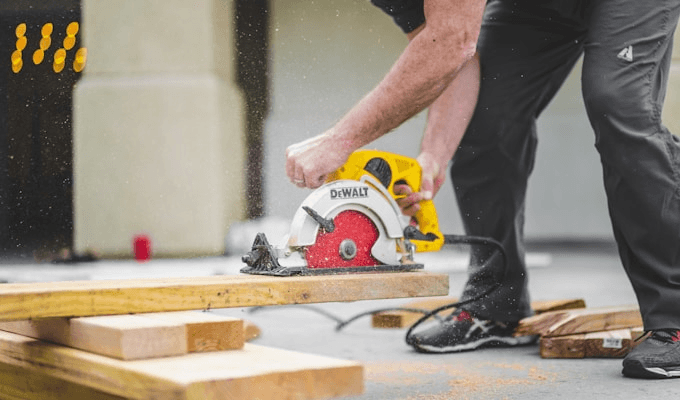
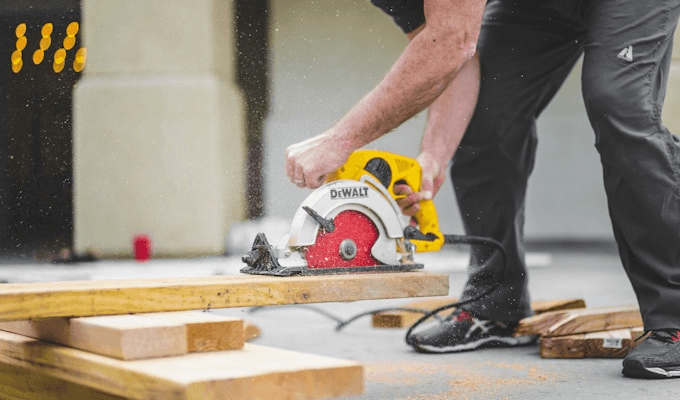
DEWALT packs seven tools into this kit at a price that's hard to beat: the DCD998 hammer drill, DCF887 impact driver, DCS570 circular saw, DCS380 reciprocating saw, DCG405 grinder, DCL040 work light, and DCS356 oscillating multi-tool. That's more tools than any other kit on this list. With three batteries included (two 5.0Ah and one 2.0Ah), you'll always have power ready. The DCD998 Power Detect hammer drill automatically senses battery size and adjusts performance accordingly, delivering up to 50% more power with larger packs.
Makita's XT507PG kit focuses on quality over quantity: you get five brushless tools including the XPH14Z hammer drill, XDT16Z impact driver, XSH06Z circular saw, XRJ05Z reciprocating saw, and DML815 LED flashlight. Makita's brushless motors run cooler and quieter than competitors, and their Star Protection Computer Controls prevent overloading, over-discharging, and overheating. The hammer drill features a half-inch all-metal chuck and the impact driver delivers 1,600 in-lbs of torque with four-speed settings. Two 5.0Ah batteries and a rapid optimum charger complete the package.
If you want Milwaukee quality without the bulk, this 4-tool kit nails the essentials: the 2904-20 hammer drill, 2953-20 impact driver, 2730-20 circular saw, and 2821-20 SAWZALL. These are the same FUEL-series tools found in the 6-tool kit, so you're not sacrificing any performance. Two 5.0Ah batteries, a charger, and a contractor bag round out the package. For contractors who already own specialty tools and just need a core set to replace aging corded equipment, this kit offers the best power-to-size ratio.
5. Ryobi ONE+ 6-Tool Combo Kit (PCL1600K2) — Best Budget
The PCL1600K2 is a standard ONE+ kit, not an HP brushless bundle. It includes the PCL206 drill, PCL235 impact driver, PCL500 5-1/2-inch circular saw, PCL515 reciprocating saw, PCL430 multi-tool, and PCL660 LED light. A 1.5Ah battery, a 4.0Ah battery, a charger, and a bag are included, and every tool shares Ryobi's ONE+ battery platform.
6. Bosch 18V 4-Tool Combo Kit (GXL18V-496B22) — Best Ergonomics
Bosch doesn't get as much attention as Milwaukee or DEWALT, but their 18V combo kits are seriously underrated. This 4-tool set includes the GSB18V-800C hammer drill, GDX18V-1860C impact driver, GST18V-133C jig saw, and GKS18V-25GC circular saw. What sets Bosch apart is ergonomics — their tools are designed with input from occupational therapists and feature reduced vibration, balanced weight distribution, and comfortable grips. The Connected-Ready (C suffix) tools can pair with the Bosch Toolbox app for customization. Two CORE18V 4.0Ah batteries deliver excellent runtime in a compact package.
7. DEWALT 20V MAX ATOMIC 4-Tool Combo Kit (DCK489D2) — Best Compact Budget
DEWALT's ATOMIC line delivers compact, lightweight tools without completely sacrificing power — and this 4-tool kit is perfect for homeowners or those who want a portable set. It includes the DCD708 ATOMIC drill/driver, DCF809 ATOMIC impact driver, DCS354 ATOMIC oscillating multi-tool, and DCL040 work light. The ATOMIC tools are roughly 25% smaller and lighter than their XR counterparts while still running brushless motors. Two 2.0Ah batteries keep the total kit weight manageable. This is the kit you throw in your car for side jobs or keep at the house for weekend projects.
How We Compared Combo Kits
We compared each kit by useful tool coverage, published specifications, included battery capacity, charger and storage, warranty, current retailer availability, and ecosystem flexibility. Because bundle contents can change, verify the exact model number and included components at the retailer before buying. This is a research and specification comparison, not a controlled runtime test.
Buying Guide: Choosing the Right Combo Kit
Battery Platform Matters Most: The biggest decision isn't which kit to buy — it's which battery platform to invest in. Once you choose Milwaukee, DEWALT, Makita, or Ryobi, you'll likely buy additional bare tools on that same platform for years. Consider the full ecosystem: Milwaukee M18 has 250+ tools, DEWALT 20V MAX has 300+, and Ryobi ONE+ leads with 300+. If you're choosing between Milwaukee and Makita specifically, our Makita vs Milwaukee comparison covers the key trade-offs in detail.
Brushless vs. Brushed: Premium kits in this list use brushless motors, while the Ryobi PCL1600K2 uses standard brushed tools to keep the entry cost lower. Brushless tools generally offer better efficiency and runtime, but a brushed kit can still make sense when broad tool coverage matters more than maximum performance.
Battery Capacity: Pay attention to included battery sizes. Kits with 5.0Ah batteries handle sustained heavy work, while 2.0Ah packs are lighter but drain faster. Multiple batteries let you keep working while one charges.
Assess Your Actual Needs: A 7-tool kit is a waste if you'll only use three of them. For basic home projects, a 4-tool kit with drill, impact, saw, and light covers 90% of tasks. Professional contractors should invest in 6-tool kits with grinders and reciprocating saws for demolition work. If you are still deciding whether you need both a drill and an impact driver, our impact driver vs drill comparison explains the real differences so you can commit confidently.
The Bottom Line
The Milwaukee M18 FUEL 6-Tool Kit is our top pick for professionals who want the best performance across the board. If budget is your priority, compare the current DEWALT and Ryobi prices carefully: the Ryobi ONE+ PCL1600K2 offers six standard tools and a broad ecosystem, while premium kits offer higher-performance brushless tools. The right value depends on whether tool count or sustained performance matters more for your work.
Related Buyer's Guides
Looking for the best individual tools to complement your kit? Check out our other in-depth buyer's guides:
What should I look for in a cordless tool combo kit?
Focus on three things: battery platform (choose a brand you can commit to long-term), included tool mix (drill + impact driver covers 80% of jobs), and what batteries come with it. Kits with two batteries are far more practical than single-battery kits -- you always have one charging while the other works. Avoid kits that include low-priority tools like work lights or oscillating tools unless those genuinely fit your work.
Is it better to buy a combo kit or individual tools?
Combo kits almost always offer better value per tool, especially when you are starting a new battery platform. A 3-tool combo kit typically saves 30 to 40% compared to buying each tool bare plus two batteries separately. The trade-off is that you get the tools the manufacturer decided to bundle, not necessarily your exact wish list. If you already own batteries and need one specific tool, buy it bare. If you are starting fresh, a kit wins.
DeWalt vs Milwaukee vs Makita combo kits -- which platform is best?
All three are excellent long-term platforms. DeWalt's 20V MAX system has the widest tool selection and the most accessible price points, making it the best all-around choice for most buyers. Milwaukee's M18 FUEL platform leads in raw performance and brushless technology, making it the preferred choice for professionals. Makita's 18V LXT offers superior compact tool options and is the best fit for users who prioritize light weight and tight spaces. See our full Makita vs Milwaukee brand comparison for a detailed breakdown across 10 tool categories.
How many tools do I actually need in a combo kit?
For most homeowners and DIYers, a 2-tool drill and impact driver combo covers the vast majority of jobs. Adding a circular saw expands the kit substantially for woodworking and renovation. A reciprocating saw rounds out demolition and rough carpentry. Beyond 4 tools, value diminishes quickly unless you have specific needs for every included tool. Our recommendation: start with a 2 or 3-tool kit and add tools individually as you identify the need.
Who it's for: New homeowners who want a complete toolkit and shared battery platform for tools, yard gear, and home maintenance within this budget tier.
This guide is research-backed. It compares exact-model manufacturer sources, current market information, and recurring owner feedback; it does not claim direct physical testing. No paid placements influence our rankings.
Model identity (Primary)Exact model, kit contents, voltage platform, and current manufacturer documentation are matched before products are compared.
Use-case fit (Primary)Published capacity, controls, dimensions, compatibility, and limitations are evaluated against the jobs and buyers named in the guide.
Comparison consistency (Primary)Every option is assessed against the same category-relevant criteria, with unsupported performance assumptions excluded.
Warranty and support (Secondary)Current warranty terms, platform support, replacement options, and manufacturer documentation are reviewed for ownership risk.
Price and owner signals (Secondary)Current pricing and recurring verified-owner patterns inform value and reliability context without being presented as our own test results.
Morgan Hale checks exact model identities, manufacturer documentation, warranty terms, package contents, and current retailer listings. Research-backed recommendations are labeled as research and are not presented as physical tests.