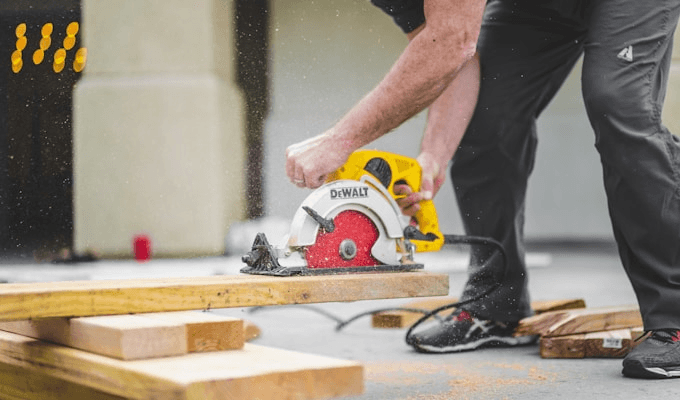
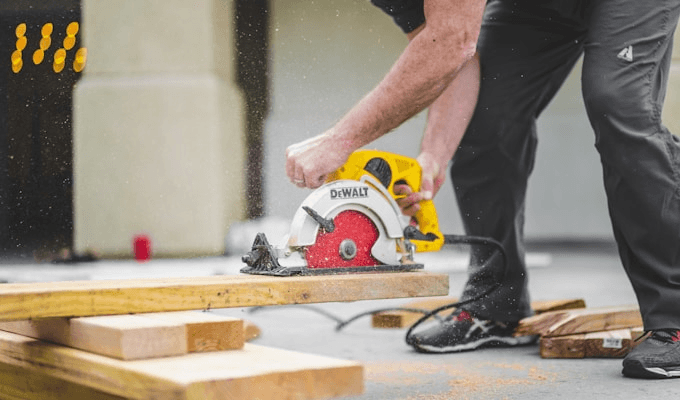
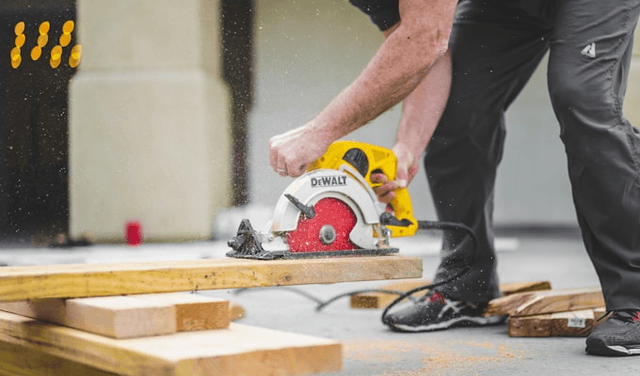
The evolution of power tools has changed how DIYers and pros choose their gear. We break down the real differences between corded and cordless power tools — covering power output, runtime, convenience
Current recommendations are research-backed. Each article identifies its evidence, sources, update date, and limitations. No current guide is presented as hands-on tested. As an Amazon Associate, ToolShed Tested earns from qualifying purchases. When you buy through our links we may earn a commission -- at no extra cost to you. Product links and article details last reviewed March 22, 2026. Full disclosure.
Introduction
The evolution of power tools over the past decade has fundamentally changed how DIYers and professionals approach their projects. Once upon a time, the choice was simple: if you needed serious power, you went corded. Today, advances in lithium-ion battery technology have made cordless tools legitimate competitors in nearly every category—but that doesn't mean corded tools are obsolete.
This guide explores the real differences between corded and cordless power tools, helping you make informed decisions for your workshop. We'll examine performance metrics, battery advances, cost implications, and specific scenarios where one technology clearly wins over the other.
Historical Context: How Cordless Tools Got Here
Twenty years ago, cordless power tools were niche products relegated to light-duty tasks. Early nickel-cadmium and nickel-metal-hydride batteries suffered from memory effects, limited runtime, and poor power delivery. Corded tools dominated professional jobsites and serious DIY workshops.
The turning point came with lithium-ion battery adoption. Companies like DeWalt, Makita, and Milwaukee began heavily investing in battery technology, and the results have been transformative. Modern lithium-ion batteries maintain consistent power throughout their charge cycle, eliminate memory effects, and provide significantly longer runtimes than their predecessors.
Torque and Speed Ratings
Corded Tools Advantages:
- Unlimited, consistent power delivery with no voltage sag
- Peak torque remains stable throughout operation
- Ideal for sustained, high-demand applications
- No need for battery monitoring during projects
Cordless Tools Advantages:
- Modern brushless motors rival corded performance in many categories
- Peak torque has caught up significantly, especially in premium models
- Battery voltage remains relatively stable due to intelligent power management
- Sufficient for 95% of professional and DIY tasks
For general work—building decks, hanging drywall, driving fasteners, or making crosscuts—premium cordless tools deliver performance that's indistinguishable from corded equivalents. The difference becomes apparent only in extended, heavy-use scenarios like grinding concrete for hours or continuously ripping thick hardwood.
Runtime Reality Check
A typical 5 Ah lithium-ion battery in a drill will provide:
- 30-45 minutes of intermittent light drilling
- 15-20 minutes of continuous heavy-duty drilling
- 60-90 minutes of driving fasteners (typical construction work)
This matches or exceeds the runtime needs of most homeowners and many professional applications. Construction crews often solve runtime concerns by rotating between multiple battery packs while one charges—a workflow that becomes second nature after the first project.
Battery Technology: Understanding Modern Advancements
Lithium-Ion Evolution
Current generation lithium-ion batteries (2024-2026) offer dramatic improvements over models from even five years ago:
Capacity and Energy Density:
- Higher amp-hour ratings (up to 12-15 Ah in premium offerings)
- Better energy distribution across the discharge cycle
- Improved thermal management preventing heat-related degradation
Charging Infrastructure:
- Fast chargers now replenish a 5 Ah battery in under 30 minutes
- Smart chargers optimize battery lifespan through temperature monitoring
- Some systems feature rapid-charge protocols for specific battery variants
Battery Management Systems:
- Built-in electronics prevent overcharging and overdischarging
- Temperature sensors manage heat buildup during demanding tasks
- Battery health monitoring provides runtime estimates and longevity data
Comparative Longevity
A properly maintained lithium-ion battery degraded to 80% capacity after 500-1000 charge cycles represents 3-5 years of typical use. Corded tools have no battery degradation concerns, but they require physical cords that can degrade, tangle, or create tripping hazards—maintenance problems of a different sort.
While cordless technology has advanced remarkably, specific scenarios still favor corded power tools:
Extended Runtime Applications
Professional concrete contractors running angle grinders for 8-hour days benefit from the unlimited runtime of corded models. A cordless angle grinder's battery will deplete mid-afternoon, requiring either equipment downtime or additional battery investment. See our guide on angle grinders for detailed comparisons.
Table saws, radial arm saws, and benchtop sanders remain almost exclusively corded. The continuous power demands of these tools, combined with their stationary nature, make the cord's limitations irrelevant. A table saw will never have battery concerns when corded to a standard outlet.
Heavy-Duty Demolition
Reciprocating saws and rotary hammers operating continuously during renovation projects benefit from corded reliability. These tools demand substantial current; a reciprocating saw operating at full power drains batteries quickly, favoring corded operation for large-scale demolition.
Cost-Sensitive Professional Work
For contractors operating large fleets of tools, the equipment cost difference significantly impacts project economics. A basic corded drill costs $40-80, while even budget cordless drills start at the current retailer price. For high-volume operations with dozens of tools, the financial advantage of corded technology remains substantial.
Situations Requiring Consistent, Maximum Power
Air compressors, concrete vibrators, and industrial-duty tools benefit from the unlimited power envelope that corded tools provide. These applications rarely encounter cordless alternatives because the power demands exceed practical battery capacity.
Cost Comparison: Total Cost of Ownership
Initial Purchase Costs
Corded Tools:
- Entry-level drill: $40-80
- Mid-range models: $80-150
- Professional-grade: $150-250
Cordless Tools:
- Entry-level (bare tool): $100-130
- With one battery and charger: $180-250
- Premium models with batteries: $300-450
Long-Term Investment
Corded Scenario (10-year ownership):
- Initial tool investment: $150
- Replacement cords/maintenance: $50-75
- Electricity cost (minimal): ~$10-15
- Total: ~$215
Cordless Scenario (10-year ownership):
- Initial tool with battery/charger: $250
- Battery replacements (2-3 batteries): $200-300
- Charger replacement: $50-80
- Electricity cost (charging): $20-30
- Total: ~$520-660
For occasional homeowners, cordless tools justify the higher initial cost through convenience and safety. For professionals replacing tools yearly due to wear, corded options remain economically advantageous, though this varies by application.
Runtime Considerations: Planning Around Battery Limitations
Intermittent vs. Continuous Work
Battery life depends heavily on application intensity:
Light Intermittent Tasks (drilling pilot holes, driving screws):
- A 5 Ah battery easily supports 2-3 hours of work
- Sufficient for most weekend projects
- Battery depletes more from idle time than actual consumption
Moderate Continuous Tasks (building a deck, hanging drywall):
- Same battery delivers 45-90 minutes of productive work
- Requires planning for battery swaps or charging breaks
- Two batteries enable continuous workflow
Heavy Continuous Tasks (professional framing, grinding):
- Battery life drops to 15-30 minutes
- Practical only with multiple batteries or corded alternatives
- Equipment investment increases significantly with additional battery purchases
Smart Battery Management
Experienced cordless tool users adopt workflow strategies:
- Invest in 2-4 batteries per tool, rotating charges
- Charge batteries overnight, maximizing next-day runtime
- Use fast chargers strategically during project breaks
- Deploy multiple identical tools during high-demand periods
Convenience and Accessibility
For homeowners tackling weekend projects, cordless tools eliminate:
- Extension cord untangling and storage hassles
- Constant cable repositioning around workspaces
- Tripping hazards on worksites
- Cord damage from sharp objects and equipment
Portability Applications
Roofing, tree trimming, elevated work, and ladder-based tasks inherently favor cordless tools. A cordless drill operates safely on a 20-foot ladder without cord entanglement risks. Impact drivers enable overhead fastening without cord interference.
Workspace Flexibility
Cordless tools excel in:
- Small workshops with limited outlet spacing
- Outdoor projects distant from power sources
- Job site rotation between multiple locations
- Confined spaces where cords create hazards
User Experience and Modern Workflows
Professional builders have largely shifted to cordless-first workflows. Modern job site mentality favors tools that move quickly between locations without setup overhead. This explains why premium manufacturers increasingly emphasize cordless innovation over corded development.
Drills and Drivers
Cordless Victory: Modern 18V and 20V brushless drills deliver performance equal to corded equivalents for residential work. Battery depletion addresses the only meaningful limitation.
Verdict: Cordless dominates for DIY and general contracting. Corded retains advantages in continuous industrial applications.
Circular Saws and Miter Saws
Cordless Advancement: Newer models cut rip lengths of 20+ feet per battery charge. Cross-cutting capacity rivals corded tools for most residential projects.
Verdict: Cordless wins for job site flexibility. Corded remains superior for volume work. See our comprehensive circular saws guide for detailed comparisons.
Angle Grinders
Corded Advantage: Sustained grinding tasks (surface preparation, heavy cutting) favor unlimited runtime. See our angle grinders coverage for specific recommendations.
Verdict: Corded dominates for professional metalworking and demolition. Cordless suits occasional homeowner use.
Reciprocating Saws
Mixed Performance: Cordless models handle typical cutting tasks adequately. Extended demolition favors corded reliability. Our reciprocating saws guide details performance metrics for each application.
Verdict: Cordless works for general demolition; corded preferred for professional crews tackling full-day tearouts.
Combo Kits and Ecosystem Value
Most manufacturers offer comprehensive best power tool combo kits 2026 including drill, impact driver, circular saw, and reciprocating saw with batteries and charger. These represent excellent value for DIYers and represent the industry's confidence in cordless performance for general applications.
Which Should You Choose?
- Homeowners and casual DIYers prioritizing convenience
- Job sites spanning multiple locations
- Projects requiring portability and quick repositioning
- Users with limited workshop space
- Applications demanding flexibility over unlimited runtime
- Professional contractors running high-volume operations
- Continuous, extended-runtime applications
- Stationary workshop tools
- Heavy-duty industrial tasks
- Budget-conscious fleet purchases
Hybrid Approaches
Many professional workshops maintain both. A contractor might use cordless tools for on-site framing, drilling, and fastening while relying on corded stationary saws, compressors, and industrial equipment. This hybrid approach maximizes efficiency across different work types.
Future of Cordless Technology
Emerging Advancements
Solid-State Batteries: Research prototypes promise 2-3x energy density within five years, dramatically extending runtime while reducing weight.
Fast-Charge Protocols: Next-generation chargers may achieve full charges in 10-15 minutes, fundamentally changing cordless workflow limitations.
Battery Standardization: Industry movement toward standardized form factors could reduce switching costs between brands and increase ecosystem flexibility.
Enhanced Power Management: AI-integrated battery systems will optimize discharge curves for specific tool types, improving both runtime and peak power delivery.
Market Trajectory
Battery technology improvements continue at an accelerating pace. Current projections suggest that by 2028-2030, cordless performance advantages in weight, runtime, and power delivery will overcome remaining corded advantages for all but the most specialized applications.
FAQ Section
Q: How long do cordless battery packs actually last?
A: A properly maintained lithium-ion battery retains 80% capacity after 500-1000 charge cycles, typically 3-5 years of regular use. After that, capacity diminishes gradually; most users find 5-7 year lifespans acceptable before replacement.
Q: Can I use cordless tools for professional work?
A: Absolutely. Many professional contractors operate predominantly cordless fleets. The key is understanding runtime limitations and planning accordingly with multiple batteries. High-volume, continuous-duty operations may still favor corded alternatives.
Q: Is it worth investing in a cordless tool system for occasional homeowner use?
A: Yes. The convenience advantage justifies the higher initial cost for most homeowners. Corded tools make sense only if you're extremely budget-conscious and willing to manage extension cords for occasional projects.
Q: Do cordless tools deliver the same power as corded tools?
A: For peak torque and speed, modern brushless cordless tools match corded equivalents. The practical limitation is runtime—as batteries deplete, performance gradually declines, whereas corded tools maintain constant power throughout operation.
Q: What's the best battery brand to buy?
A: Stick with major manufacturers—DeWalt, Makita, Milwaukee, Ryobi, etc. Their ecosystems offer numerous compatible tools, ensuring battery compatibility as your collection expands. Don't buy third-party batteries; manufacturer batteries provide better reliability and warranty support.
Q: Can I leave cordless batteries on the charger?
A: Modern smart chargers prevent overcharging, making overnight charging safe. However, best practice involves removing batteries once fully charged to maximize lifespan. Most users charge overnight without consequence.
Q: Which cordless drill should I buy?
A: See our cordless-drills guide for detailed recommendations across budget categories. Budget-conscious buyers should consider entry-level 20V systems. Premium users benefit from DeWalt 20V XR or Milwaukee M18 systems.
Conclusion
The cordless vs. corded power tool debate no longer has a universal answer. Modern battery technology has eliminated the historical performance gap, shifting the decision toward application-specific factors: convenience, runtime, portability, cost, and power requirements.
For most homeowners and many professionals, cordless tools deliver the optimal combination of power, runtime, and flexibility. For stationary tools, extended-runtime applications, and cost-sensitive fleet operations, corded tools retain clear advantages.
The best strategy often involves both: cordless tools for portability and convenience, corded tools for continuous-duty and stationary applications. As battery technology continues advancing, cordless tools will likely dominate an even larger portion of the tool market.
Invest in the system that matches your actual workflow. Don't let theoretical limitations drive purchases when real-world testing shows modern cordless tools handle the vast majority of projects admirably.
Ready to upgrade your tool collection? Check out our recommendations for the best power tool combo kits of 2026 to find the system that matches your needs and budget.
For specific tool recommendations, explore our guides on cordless drills, impact drivers, and circular saws to find the perfect tools for your workshop.