Why the Ecosystem Matters More Than the Kit
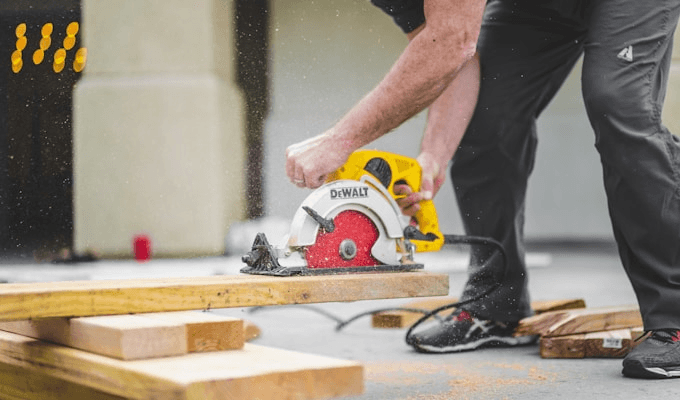
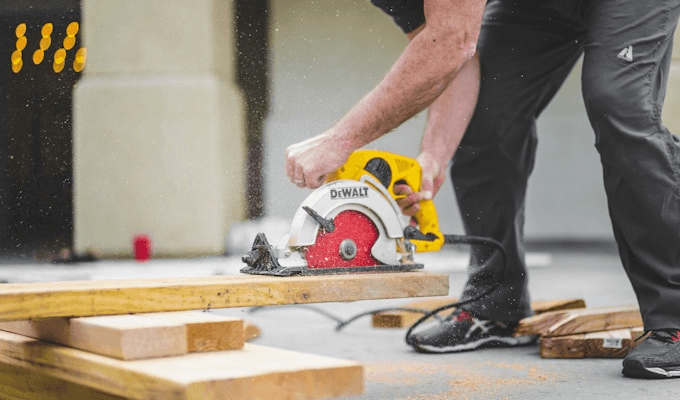
Here is the honest version of how cordless tool buying works: you will buy more tools. A jigsaw for trim work, a circular saw for deck boards, a reciprocating saw when something needs to come apart fast. Every time you add a tool, you want it to run on batteries you already own. That is the ecosystem decision, and it is worth thinking about before you open the box on your first kit. Ryobi ONE+ is the largest consumer ecosystem by tool count -- over 300 tools share the same 18V battery. Prices are lower than DeWalt or Milwaukee, and the tool selection covers everything a homeowner would need. If you want the lowest barrier to entry and maximum flexibility for home projects, ONE+ is the right call. DeWalt 20V MAX is the largest professional ecosystem by accessories. If you work in trades or plan to use your tools on job sites alongside other contractors, DeWalt is everywhere. The 20V MAX platform has the widest third-party compatibility and the most retail availability. Milwaukee M18 is the best professional quality. The tools are built tighter, the REDLINK electronics protect against overload and overheating, and the M18 platform is what professional contractors reach for when durability is the priority. It costs more upfront but holds up longer under sustained use. Pick one and stick with it. Mixing ecosystems costs you money in redundant batteries.What to Expect Under $400
The under-$400 price range gets you functional, reliable tools -- but not top-shelf specs. Here is what the numbers look like across this category:- Drill/driver torque: 300--500 UWO or 350--600 in-lbs, depending on brand and configuration
- Impact driver torque: 1,400--1,800 in-lbs -- enough for lag bolts and structural fastening at the high end
- Battery capacity: 1.3--2.0Ah in standard kit configurations -- adequate for most DIY sessions, limiting for extended contractor use
- Motors: brushed motors are common at this price; brushless motors start appearing above $200 per tool