Brushless impact drivers cost $20-50 more than brushed models. For regular users and contractors, that premium pays for itself in longer tool life and better runtime. For occasional use, it depends on the brand.
Current recommendations are research-backed. Each article identifies its evidence, sources, update date, and limitations. No current guide is presented as hands-on tested. As an Amazon Associate, ToolShed Tested earns from qualifying purchases. When you buy through our links we may earn a commission -- at no extra cost to you. Product links and article details last reviewed April 20, 2026. Full disclosure.
Our Picks, Reviewed
SPEC SHEET // #01 -- Best Brushless Under $100REF: B079L8BW9X
Best for
Best brushless value under $100
Package
Kit/package: verify included batteries before checkout
The DCF787C1 is the clearest buy in the brushless-budget category. It delivers real brushless efficiency, pairs with DeWalt's broad battery ecosystem, and comes kitted for less than most temporary options.
Key features
- 20V MAX brushless motor
- 1,825 in-lbs of max torque
- Compact 5.3" head length
- Includes 1.3Ah battery and charger
✓ What Stands Out (Pros)
- Full kit within this budget tier -- battery included
- Brushless efficiency extends runtime significantly
- DeWalt 20V MAX battery ecosystem (200+ tools)
✕ Watch Out For (Cons)
- 1.3Ah battery is small -- fine for light use, not all-day jobs
- Less torque than the Milwaukee FUEL
- Not the lightest tool in this class
Who it's for: Homeowners and DIYers on the DeWalt 20V platform who want a brushless upgrade without spending contractor money.
SPEC SHEET // #02 -- Best Professional BrushlessREF: B01LXS42FP
Best for
Professional and contractor daily use
Package
Package: verify current retailer listing before checkout
The Milwaukee 2760-20 FUEL is what professional brushless looks like. More torque, better motor efficiency, and more drive control than anything else at this price. The right choice for daily contractor use.
Key features
- 2,000 in-lbs of max torque
- POWERSTATE brushless motor
- Four-mode drive control with auto-stop
- Compatible with all M18 batteries
✓ What Stands Out (Pros)
- Highest torque in this comparison
- Four-mode control prevents overdriving screws
- Handles all-day contractor workloads without overheating
✕ Watch Out For (Cons)
- Bare tool -- battery not included
- Premium price requires M18 battery investment
- Heavier than compact brushless options
Who it's for: Contractors and tradespeople who run an impact driver for multiple hours a day and need a tool that holds up to sustained professional use.
SPEC SHEET // #03 -- Best Budget BrushlessREF: B095CXKGLB
Best for
Budget entry-level brushless
Package
Package: verify current retailer listing before checkout
The PBLID02B is the honest budget brushless pick. Not a professional tool, but a real brushless motor at a price that makes the upgrade easy to justify for homeowners on ONE+.
Key features
- 18V ONE+ HP brushless motor
- 1,900 in-lbs of torque
- Works with all Ryobi ONE+ batteries
- 0-3,900 IPM
✓ What Stands Out (Pros)
- Cheapest HP brushless option in this comparison
- Pairs with the widest homeowner battery ecosystem
- More torque than the older brushed PCL235B
✕ Watch Out For (Cons)
- Bare tool -- needs a ONE+ battery to run
- Less refined than DeWalt or Milwaukee
- Not built for sustained professional use
Who it's for: Homeowners already on the Ryobi ONE+ platform who want a brushless impact driver without a big budget commitment.
The difference between a brushed and brushless impact driver comes down to how the motor transfers power. Brushed motors use physical carbon contacts that press against a rotating commutator. Every time the motor spins, those brushes drag against the commutator, generating heat and wearing down over thousands of cycles. Brushless motors replace that physical contact with electronic commutation -- no friction, no heat from contact, no parts wearing away.
In practice, that mechanical difference shows up in three ways: a brushless tool runs cooler under load, extracts more work from each battery charge, and lasts longer before the motor degrades. The question is whether those advantages are worth the typical $20-50 price premium.
How the Motors Compare
When Brushed Is Fine
A brushed impact driver from a reputable brand -- DeWalt, Ryobi, Milwaukee -- will drive screws reliably for years if the tool only comes out a few times a month for light jobs. Driving a dozen deck screws on a weekend project, assembling flat-pack furniture, hanging shelving -- for jobs at that frequency, a brushed motor never gets hot enough to be a problem and never gets enough wear cycles to fail early.
If budget is the primary constraint and the alternative is a quality brushed tool vs. a cheap brushless from an unknown brand, the quality brushed tool wins. Motor type matters less than build quality.
When Brushless Is Worth It
For anyone using an impact driver regularly -- contractors, serious DIYers running it several days a week, or trades workers who depend on it daily -- brushless pays back the premium. The motor runs cooler on long fastening runs, which means fewer breaks and a tool that lasts longer. The extended runtime per charge matters on a job site where swapping batteries costs time.
The other case for brushless is longevity. A brushed motor has physical wear components. A brushless motor does not. For a tool that will see several hundred hours of use, that difference in motor lifespan is real. The $30 premium at purchase is less than a battery replacement and much less than a new tool.
Reading the Spec Sheet
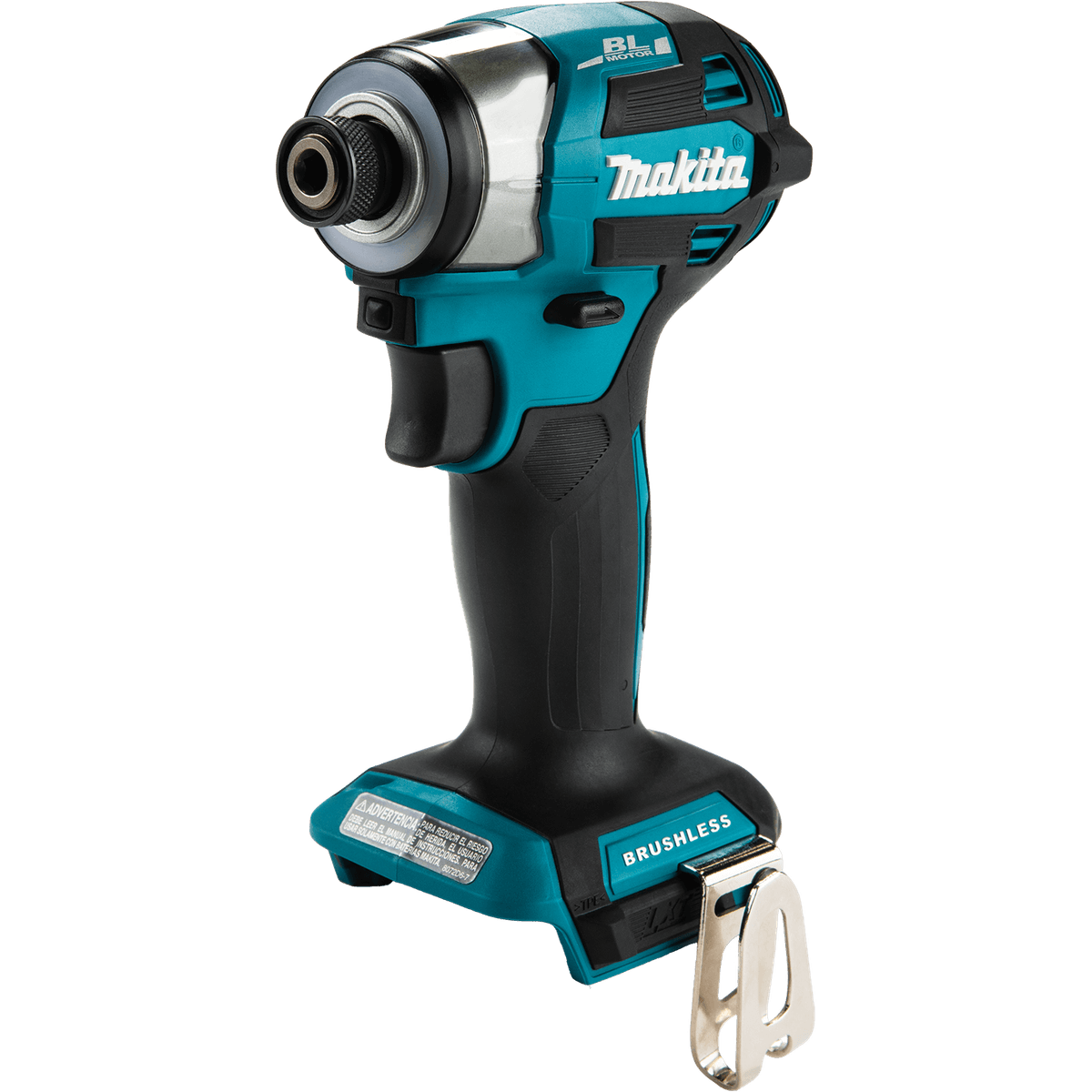
You can identify a brushless tool without the marketing language. Look for these phrases on the spec sheet or listing: "brushless," "FUEL" (Milwaukee's brushless branding), "POWERSTATE," or explicit motor type callouts. DeWalt typically labels brushless tools with "BL" in the model designation or spells it out in the product name. Ryobi marks brushless ONE+ tools with a darker color scheme and the "brushless" callout in the model name.
If the listing does not specify brushless, assume it is brushed. Brushless is a premium feature that manufacturers always call out.
How long do brushed motor tools last?
It depends heavily on how often and how hard the tool is used. A brushed impact driver used occasionally for light household work can last a decade without issues. The same tool used daily on a job site might need brush replacement within 2-3 years, and the motor may degrade more significantly after that. Brushes are sometimes replaceable, but labor cost often makes it cheaper to buy a new tool. Brushless motors remove this variable entirely.
Is brushless worth the extra cost for a homeowner?
Yes, in almost every case. The price gap has narrowed to $20-50 at most price points, and brushless tools are widely available from every major brand at under $100 kitted. The extended runtime means fewer battery swaps on longer jobs. The cooler-running motor means no forced breaks mid-project. For a tool that sits in a drawer and gets pulled out twice a month, the performance difference is subtle -- but so is the price difference. The brushless option is the better buy.
Can you tell from the outside if a tool is brushless?
Not always from appearance alone, but manufacturer labeling makes it clear. Milwaukee uses "FUEL" to designate brushless. DeWalt labels it "BL" or writes "brushless" explicitly. Ryobi calls it out in the model name. If the packaging, listing, or spec sheet does not say brushless, it is almost certainly brushed. The spec sheet under "motor type" will confirm it. Brushless is a selling point that manufacturers always advertise prominently.