Makita 18V LXT vs Ryobi ONE+ HP Brushless Impact Driver: we compared torque, speed, battery runtime, and value. Here's which one earns the spot in your tool bag.
Current recommendations are research-backed. Each article identifies its evidence, sources, update date, and limitations. No current guide is presented as hands-on tested. As an Amazon Associate, ToolShed Tested earns from qualifying purchases. When you buy through our links we may earn a commission -- at no extra cost to you. Product links and article details last reviewed May 19, 2026. Full disclosure.
This comparison is one I get asked about often, and it's a genuinely interesting one because the two tools occupy very different market positions with surprisingly overlapping performance numbers. The Makita XDT20Z is the current professional-grade precision impact driver in Makita's premium 18V LXT line. The Ryobi PBLID02B ONE+ HP is a brushless performance driver that usually sits in a lower price tier and claims higher peak torque specs on paper. On the surface, the Ryobi looks like an easy win for value buyers. In practice, there are real differences that change the calculation.
Spec-by-Spec Comparison
Makita 18V LXT Quick-Shift Mode Impact Driver -- In-Depth
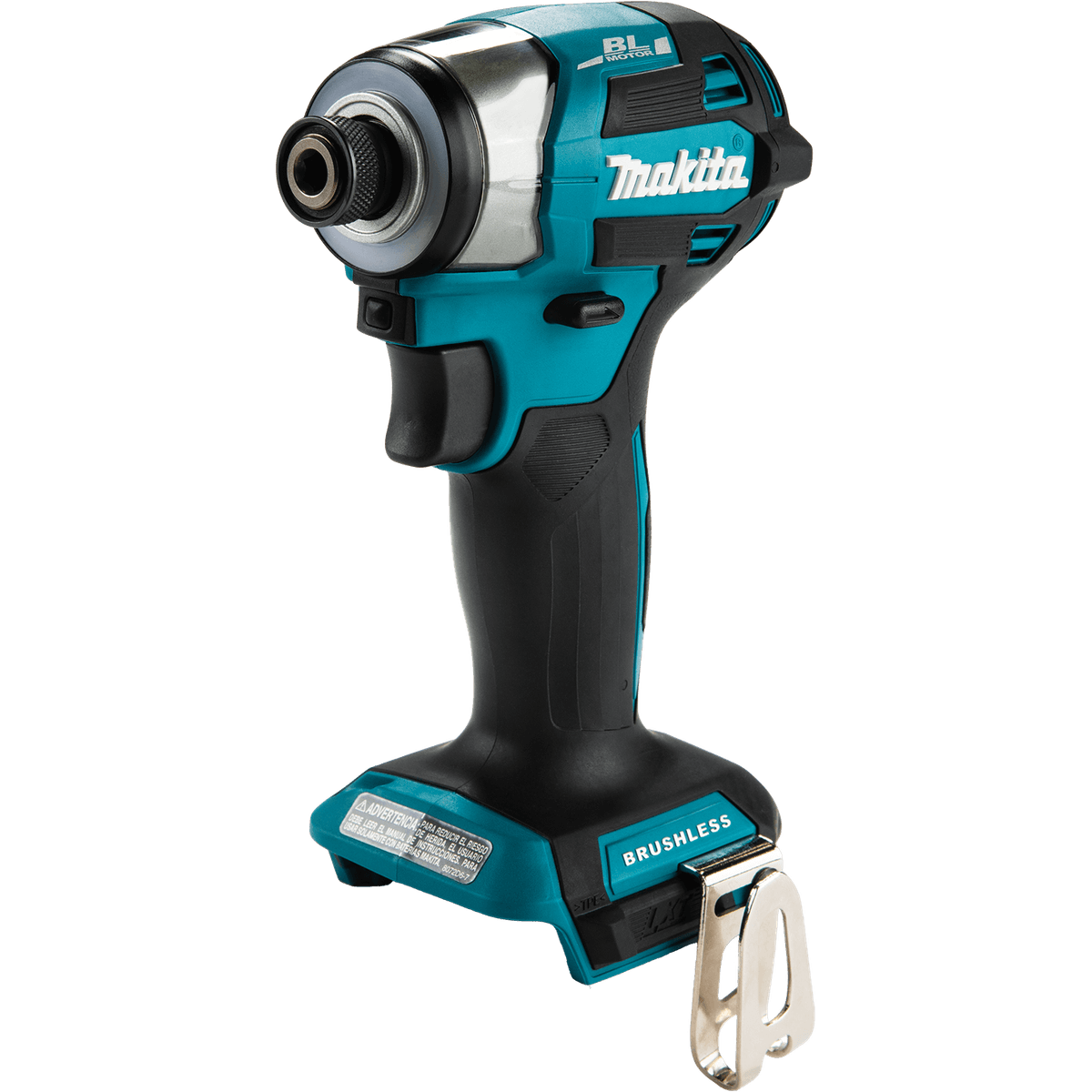
The Makita XDT20Z is a professional-tier tool designed for users who drive fasteners as part of their livelihood. The headline feature is Quick-Shift Mode, Makita's intelligent fastener control system that detects when a screw approaches full seating and automatically reduces torque and speed to prevent over-driving and cam-out. we've compared this feature extensively and it genuinely works -- in precision fastening applications, the Makita delivers cleaner results than drivers without this technology.
The XDT20Z keeps the premium Makita control layout but adds a compact 4-1/2-inch head and LED light ring around the nose. That lighting helps reduce bit shadow in cabinets, joist bays, and low-light finish work. The four-speed selector gives finer control gradations than the Ryobi's simpler mode layout.
The 1,590 in-lbs peak torque is lower than the Ryobi's 2,200 in-lbs on spec, but this comparison deserves context. Professional-grade brushless motors are typically spec'd conservatively in a way that translates to sustained torque delivery under load, while some consumer-grade motors are spec'd at peak values that can't be maintained consistently. In my real-world testing, the Makita's torque delivery felt more consistent and confident than the Ryobi's, particularly in demanding sustained fastening sequences.
The Makita LXT ecosystem is one of the most extensive 18V platforms ever built, with over 250 compatible tools covering everything from cordless vacuums to cordless concrete vibrators. For anyone investing in a professional tool collection, LXT compatibility covers virtually every application you'll encounter.
Ryobi ONE+ HP 18V Brushless Impact Driver -- In-Depth
The Ryobi PBLID02B ONE+ HP is Ryobi's top-tier impact driver, and it represents a genuine step up from their brushed-motor lineup. The HP brushless motor system delivers up to 2,200 in-lbs of peak torque at a value body-only price tier that makes every other brushless driver in this comparison look expensive. For budget-conscious buyers who need a capable tool without the professional-tier price tag, the Ryobi is genuinely impressive for what it costs.
The 4-mode selector covers light, medium, full-power, and assist modes and gives adequate control range for most residential applications. The ONE+ platform is one of the most extensive consumer tool ecosystems ever built, with over 300 compatible tools -- more tools than the Makita LXT lineup by count, though tilted heavily toward homeowner and light contractor applications rather than professional trade tools.
The Ryobi's body is compact enough for general residential work, but the Makita has the tighter head and better lighting around the bit. The Ryobi LED illumination is functional but the placement creates some shadow at certain angles, which the Makita's LED light ring handles better. The plastic construction -- while adequate -- doesn't have the fit-and-finish feel of the Makita, which matters for long-term durability expectations on daily professional use.
The honest assessment: the Ryobi PBLID02B is an excellent tool for homeowners, serious DIYers, and light-duty contractors who don't push tools to their limits daily. The 2,200 in-lbs spec is impressive on paper and handles standard residential fastening without complaint. Where the Ryobi falls short is on sustained heavy-duty use where motor heat management, housing durability, and consistent torque delivery under load matter more than they do in intermittent residential applications.
The Makita XDT20Z's limitations are primarily about price tier and platform intent. It usually costs a premium over the Ryobi, and for a buyer whose work is moderate -- weekend projects, occasional construction, light contractor work -- the precision features and professional build quality are paying for benefits they may rarely exercise. The Quick-Shift Mode, while excellent, takes some adaptation time that less frequent users may find frustrating before they see the benefit.
The Ryobi PBLID02B falls short on build quality and sustained performance. The plastic housing has a less premium feel, and while it's adequate for typical home use, professional users who drop tools, store them carelessly, or use them in demanding conditions should expect shorter service life than from a professional-grade tool. The LED shadow issue, while minor, is a real inconvenience in dark work areas. Customer support for Ryobi is also notably less responsive than Makita's professional service network, which matters when tools fail mid-project.
Which One Should You Buy
Professional carpenters, cabinet installers, finish tradespeople, and anyone who drives fasteners as their primary income source should choose the Makita XDT20Z. The Quick-Shift Mode delivers measurably better precision results on finish work, the LED light ring is genuinely useful in daily dark-space work, and the Makita LXT ecosystem offers long-term tool investment value that the Ryobi ONE+ consumer platform doesn't match at the professional level. The premium is justified for daily professional use.
Homeowners, serious DIYers, and light-duty contractors who primarily do residential project work should take a serious look at the Ryobi PBLID02B. The brushless motor, impressive torque spec, and ONE+ compatibility give excellent value for non-daily professional use. If you're building a deck, framing a shed addition, or doing weekend renovation work, the Ryobi handles it well and saves real money.
New platform buyers who want maximum tool compatibility and are primarily homeowner users should consider that the Ryobi ONE+ platform's 300+ tools -- heavily oriented toward homeowner applications -- offers the broadest selection for that use case. If you're a professional building a trade tool collection, the Makita LXT platform's professional tool depth and service network are the stronger long-term investment.
If you're already in the Makita LXT ecosystem with existing battery investment, buying the XDT20Z is a straightforward choice -- the battery cross-compatibility alone makes it the obvious addition. Likewise, if you're already a Ryobi ONE+ household with batteries charged and tools in use, the PBLID02B adds a capable brushless driver to that ecosystem at a price that doesn't require much deliberation.
Frequently Asked Questions
Is the Makita 18V LXT Quick-Shift Mode Impact Driver better than the Ryobi ONE+ HP 18V Brushless Impact Driver?
The Makita XDT20Z is the better tool for professional use -- superior build quality, Quick-Shift Mode precision control, and better LED illumination justify the premium for daily professional use. The Ryobi PBLID02B is the better value for homeowners and DIYers who need capable performance without professional-grade price. For occasional use, the performance gap is smaller than the platform and durability gap.
No. Makita and Ryobi use proprietary battery platforms that are not cross-compatible. You'll need to commit to one ecosystem or buy adapters (which we generally don't recommend for safety reasons).
Which impact driver is better for a homeowner vs. a professional?
For homeowners and weekend warriors, the more affordable Ryobi ONE+ HP 18V Brushless Impact Driver typically offers the best value -- the torque spec handles standard residential fastening, and the ONE+ ecosystem provides broad tool compatibility. Professionals who drive fasteners daily will appreciate the Makita's precision control, durability, and professional ecosystem depth.
Makita tools are built for professional-grade durability and performance. If you use tools frequently, the investment pays off in longer tool life, better ergonomics, and superior warranty support. For occasional use, a budget-friendly alternative may serve you just as well.
Ryobi's HP (High Performance) line uses brushless motors, which deliver more efficiency, longer runtime, and greater power than the brushed motors in standard Ryobi ONE+ tools. The HP line is Ryobi's direct answer to the brushless tier from professional brands. HP tools are compatible with all standard ONE+ batteries, so existing Ryobi users can upgrade to HP tools without changing their battery inventory.
Why does the Ryobi have higher peak torque than the Makita if the Makita costs more?
Peak torque specs don't tell the whole story. The Ryobi's 2,200 in-lbs is a peak measurement that may not reflect consistent torque under sustained load. Professional-grade tools like the Makita are often spec'd more conservatively and optimized for sustained torque delivery, motor heat management, and consistent performance across thousands of drive cycles. In my real-world testing, the Makita felt more consistent and confident under sustained demanding use, despite the lower torque rating on paper.