There's a particular satisfaction that comes with reaching for the right tool when a problem arises around your home.
Current recommendations are research-backed. Each article identifies its evidence, sources, update date, and limitations. No current guide is presented as hands-on tested. As an Amazon Associate, ToolShed Tested earns from qualifying purchases. When you buy through our links we may earn a commission -- at no extra cost to you. Product links and article details last reviewed June 10, 2026. Full disclosure.
There's a particular satisfaction that comes with reaching for the right tool when a problem arises around your home. Whether it's a squeaky door hinge, a loose cabinet handle, or the need to hang a picture frame, having essential tools readily available transforms these moments from frustrating interruptions into quick fixes you can handle yourself. Building a solid foundation of tools doesn't require an overwhelming investment or a workshop the size of a garage—it requires knowing which tools deliver real value for the tasks homeowners actually face.
This guide walks you through the essential tools every homeowner should own, focusing on practical items that address common household maintenance, minor repairs, and basic projects. We'll help you understand not just what tools to buy, but why each one matters and how they fit into your toolkit strategy.
Home ownership brings with it an inevitable reality: things break, wear out, and require adjustment. From squeaky hinges and loose screws to hanging shelves and minor drywall repairs, homeowners encounter dozens of small tasks annually. Calling a professional for every minor issue becomes expensive quickly—sometimes frustratingly so for problems you could solve in minutes.
A basic toolkit addresses this gap. It's not about becoming a master carpenter or electrician. It's about handling the everyday tasks that maintain your home and extend the life of its components. When you can tighten a loose screw, adjust a door, hang a shelf, or patch a nail hole, you're not just saving money—you're developing a practical relationship with your living space that builds confidence and capability.
The best homeowner toolkits follow a simple principle: prioritize versatility and frequency of use. Tools that solve multiple problems rank higher than specialized instruments you'll use once per year. A quality hammer handles nail-driving, nail-removal, and light demolition. A drill-driver works for hanging shelves, assembling furniture, and driving screws of varying sizes. These are the workhorses of household maintenance.
Hammer and Screwdrivers
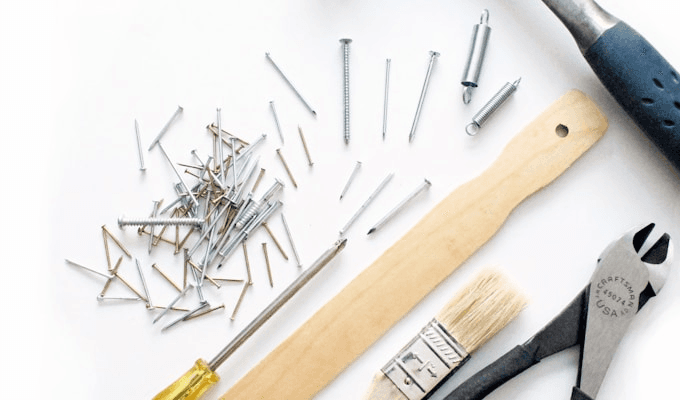
The hammer remains one of the most essential tools despite living in an age of cordless power tools. A 16-ounce claw hammer balances weight and control, providing enough mass for driving nails without causing fatigue. The claw end removes nails cleanly without gouging walls or trim. Quality matters here—a well-balanced hammer makes the task easier and reduces hand strain.
Screwdrivers deserve more respect than they typically receive. Rather than accumulating dozens of random screwdrivers, invest in a set with interchangeable bits. You'll want both Phillips and slotted head sizes, plus square (Robertson) and star (Torx) options. Check Price for quality multi-bit options that consolidate multiple tools into one handle.
Adjustable Wrench and Pliers
An adjustable wrench handles tasks from tightening bolts to adjusting fixtures. A 10-inch adjustable wrench covers most household needs. Pair this with slip-joint pliers for gripping and turning tasks. Needle-nose pliers add precision for reaching tight spaces and handling small objects. Together, these three tools solve the majority of fastening and gripping challenges you'll encounter.
Tape Measure and Level
Accurate measurements prevent expensive mistakes. A 25-foot tape measure suits most homeowner tasks—longer than 30 feet becomes unwieldy for indoor work, while anything shorter limits your reach. A quality tape features a smooth pull, clear markings, and a sturdy hook that won't bend easily.
A level is equally essential. Before hanging shelves, mirrors, or cabinets, you'll need to ensure they're actually level. A 24-inch spirit level (the traditional bubble level) handles shelves and cabinets. Many homeowners also appreciate a laser level for larger projects, though a quality spirit level remains the backbone of accurate work.
Cordless Drill-Driver
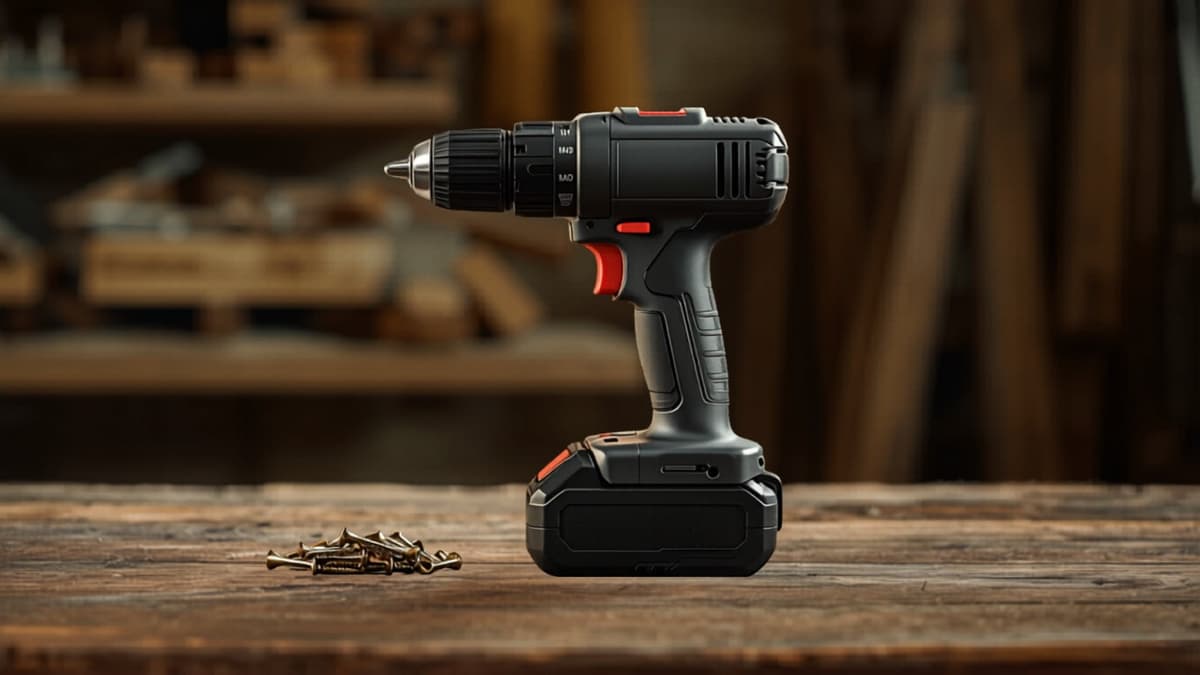
The cordless drill-driver ranks as the single most important power tool for homeowners. Modern versions like DeWalt 20V cordless drills have transformed household maintenance. These tools drive screws into drywall and wood, hang shelves, assemble furniture, and drill holes for various applications. An 18V to 20V model balances power and runtime for most household applications.
Look for models with built-in LED work lights, variable speed control, and a clutch setting that prevents over-driving screws into delicate materials. Two batteries (so one charges while you use the other) and a quality charger justify the investment through years of reliable service.
Circular Saw or Miter Saw
Eventually, homeowners need to cut wood—whether for shelving, trim, or basic projects. A cordless circular saw or miter saw becomes essential when those moments arrive. A 7¼-inch cordless circular saw cuts dimensional lumber, plywood, and composite materials. Miter saws excel at crosscutting and angled cuts with precision. If you'll tackle only occasional projects, a quality circular saw offers more versatility. If you plan regular projects involving lots of crosscutting, a miter saw delivers superior accuracy and safety.
Tools lose their value when scattered across drawers and closets. A dedicated tool storage solution keeps essentials accessible and organized. A fabric tool bag suits someone who prefers portability, while a toolbox on wheels works better for stationary storage in a garage or basement. The investment in organization prevents tool loss, makes inventory clear, and creates a habit of proper storage.
Consider a tool organizer wall system for frequently accessed items. Keeping your most-used tools visible encourages their use for appropriate tasks rather than reaching for improvised solutions.
Holes in drywall seem inevitable in home ownership. A drywall repair kit with spackling compound and a putty knife addresses small holes. For larger repairs, a drywall patch kit works efficiently. Complementary items like sandpaper, a sanding block, and quality paintbrushes complete your repair capabilities. A putty knife serves multiple purposes—spreading compound, scraping paint, and removing wallpaper.
Caulk Gun
Caulking seals gaps around baseboards, windows, and trim. A half-barrel caulk gun provides better control than full-barrel versions. Having quality caulk readily available means addressing gaps before they become conduits for drafts or pest entry.
Safety and Specialty Items
Stud Finder and Flashlight
Locating wall studs before hanging heavy items prevents your shelf from crashing down. Modern electronic stud finders cost under $20 and prove their worth immediately. A quality LED flashlight (or headlamp) illuminates work spaces and helps with inspection tasks. Check Price for combination tools that include both functions.
Utility Knife
A quality utility knife cuts drywall, opens packages, scores wood, and handles dozens of cutting tasks. Snap-off blade knives keep a sharp edge available and cost little per blade. Keep spare blades stocked—a dull blade frustrates quickly and compromises precision.
Rather than buying everything at once, build your toolkit thoughtfully over time. Start with the basics: hammer, screwdrivers, adjustable wrench, pliers, tape measure, and level. These core tools cost under $75 collectively and handle roughly 80% of typical homeowner needs.
Next, add a cordless drill-driver—the single best investment beyond basic hand tools. This $100–$150 addition transforms your capability. From there, add specialty items based on projects you actually undertake. Someone planning significant woodworking needs a miter saw; someone focused on interior finishing prioritizes drywall and painting tools.
This graduated approach prevents tool accumulation of items you'll never use while ensuring you're equipped for actual tasks. It also spreads costs sensibly and builds your knowledge of which tools you genuinely reach for repeatedly.
Maintenance Extends Tool Life
Quality tools deliver value only with proper maintenance. Keep blades sharp, handles clean, and metal components rust-free. Store tools in dry spaces—humidity damages metal and corrodes moving parts. Properly maintained tools last decades, making the initial investment even more worthwhile.
Apply thin coats of light machine oil to moving parts annually. Clean dust and debris after each use. Replace worn grips and loose handles rather than discarding otherwise solid tools. This maintenance mindset transforms tools from disposable consumables into reliable companions for household projects.
Conclusion: Start Simple and Build Confidence
Essential tools every homeowner should own form a reasonably modest collection—not an intimidating array of specialized equipment. The hammer, cordless drill-driver, adjustable wrench, screwdrivers, tape measure, level, and basic accessories solve the vast majority of household challenges. These tools cost less than a single professional service call yet provide lasting value and capability.
The real benefit extends beyond financial savings. Having the right tools builds confidence in your ability to maintain and improve your home. You'll tackle projects you might otherwise delay, extend component life through preventative maintenance, and develop practical skills that serve you throughout home ownership. That particular satisfaction of fixing something yourself? It comes from having thought through which essential tools matter most and taking the time to gather them properly.
Start with the basics, invest in quality where it matters most, and expand your toolkit as genuine needs arise. Your home, and your confidence in caring for it, will benefit immediately.