Best MIG Welder for Beginners (2026) – Easy Picks That Actually Work
A beginner MIG welder should be forgiving, easy to set up, and capable of producing clean welds without endless tuning. The picks below favor simple controls, steady arc performance, and strong value.
Quick take: The Hobart Handler 140 is the best overall starter welder. The Lincoln 140HD is a close second for ease of setup. If you want 120/240V flexibility, the Yeswelder MIG‑205DS is a strong value.
Quick Comparison: Top Beginner MIG Welders
| Model | Input Power | Output Class | Process | Best For |
|---|---|---|---|---|
| Hobart Handler 140 | 120V | 140A | MIG/Flux | Best overall starter |
| Lincoln Electric 140HD | 120V | 140A | MIG/Flux | Easiest setup |
| Yeswelder MIG‑205DS | 120/240V | 200A class | MIG/Flux/Multi | Best budget 120/240V |
| Forney Easy Weld 140 FC‑i | 120V | 140A | Flux‑core | Best flux‑core starter |
| MillerMatic 211 | 120/240V | 200A+ class | MIG | Best long‑term upgrade |
Our Top 5 MIG Welder Picks for Beginners
1) Hobart Handler 140 – Best Overall Starter
The Handler 140 is a classic beginner‑friendly MIG welder. It’s easy to dial in, runs smoothly on 120V outlets, and produces clean welds on mild steel.
Best for: First‑time welders who want reliable, proven performance.
Key specs:
– Input: 120V
– Output class: 140A
– Process: MIG and flux‑core
– Use case: Home garage projects
Pros
- Very easy to learn on
- Stable arc and smooth welds
- Great resale value
Cons
- Limited on thicker steel
- Requires gas setup for clean MIG
2) Lincoln Electric 140HD – Easiest Setup
Lincoln’s 140HD is straightforward, widely available, and forgiving. It’s a good pick if you want a simple setup and predictable results.
Best for: Simple setup and reliable results.
Key specs:
– Input: 120V
– Output class: 140A
– Process: MIG and flux‑core
– Use case: Light fabrication and repairs
Pros
- Easy controls and setup
- Strong build quality
- Widely supported brand
Cons
- Limited power for thick steel
- Shorter duty cycle on long welds
3) Yeswelder MIG‑205DS – Best Budget 120/240V Option
This is one of the better value multi‑process machines for beginners who might later want to scale up. On 120V it’s solid for light work; on 240V it has real power.
Best for: Budget buyers who want 120/240V flexibility.
Key specs:
– Input: 120/240V
– Output class: 200A
– Process: MIG/Flux/Multi
– Use case: Growing into heavier projects
Pros
- Dual voltage flexibility
- Strong value for the features
- Good for growth beyond beginner stage
Cons
- Setup is more complex
- Accessories may be basic
4) Forney Easy Weld 140 FC‑i – Best Flux‑Core Starter
If you don’t want to deal with shielding gas yet, flux‑core makes it simpler. This Forney is a strong choice for learning the basics outdoors or in a garage.
Best for: First‑time flux‑core welding and outdoor use.
Key specs:
– Input: 120V
– Output class: 140A
– Process: Flux‑core only
– Use case: Outdoor welding and quick repairs
Pros
- Very simple setup
- Works well outdoors
- Affordable entry price
Cons
- Flux‑core welds are messier
- Not as clean as gas MIG
5) MillerMatic 211 – Best Long‑Term Upgrade
If your budget allows it, the MillerMatic 211 is a welder you can grow into. It’s more expensive but delivers premium arc stability and higher duty cycle.
Best for: Beginners who want a “buy once, keep forever” option.
Key specs:
– Input: 120/240V
– Output class: 200A+
– Process: MIG (high‑quality)
– Use case: Long‑term ownership
Pros
- Excellent arc stability
- Higher duty cycle for longer welds
- Top‑tier build quality
Cons
- Expensive for a first welder
- Heavier and less portable
How We Evaluated These Welders
We prioritize ease of setup, arc stability, and forgiveness for beginners. We also consider availability of consumables and whether the machine has enough power for typical garage projects.
How to Choose a Beginner MIG Welder
1) 120V vs 240V
- 120V is easiest to plug in and ideal for home garages.
- 240V provides more power and better performance on thicker steel.
- Dual‑voltage models give you flexibility as you grow.
2) Duty cycle
Duty cycle tells you how long you can weld before the machine needs a break. Higher duty cycle matters for longer seams or repeated tacks.
3) Flux‑core vs gas MIG
- Flux‑core is simpler and works outdoors.
- Gas MIG gives cleaner welds but needs a tank and regulator.
4) Build quality and support
Stick to reputable brands or models with good parts availability and support.
Beginner Tips for Better Welds
- Clean metal surfaces before welding.
- Start with short tacks and practice on scrap.
- Use the correct wire size for your thickness.
- Don’t rush; consistent speed makes a cleaner bead.
Quick Verdict
Our Top 5 MIG Welder Picks for Beginners
Deeper Guide: Setting Up Your First Welder
Quick Recap for Busy Buyers
FAQ
Is MIG welding the easiest to learn?
Yes. MIG is generally the most beginner‑friendly, especially for clean indoor welding.
Can I weld thicker steel with a 120V welder?
You can, but you may need multiple passes. For heavy steel, 240V is better.
Do I need a gas bottle right away?
Not necessarily. Flux‑core is a good first step, but gas MIG produces cleaner welds.
What safety gear should I buy?
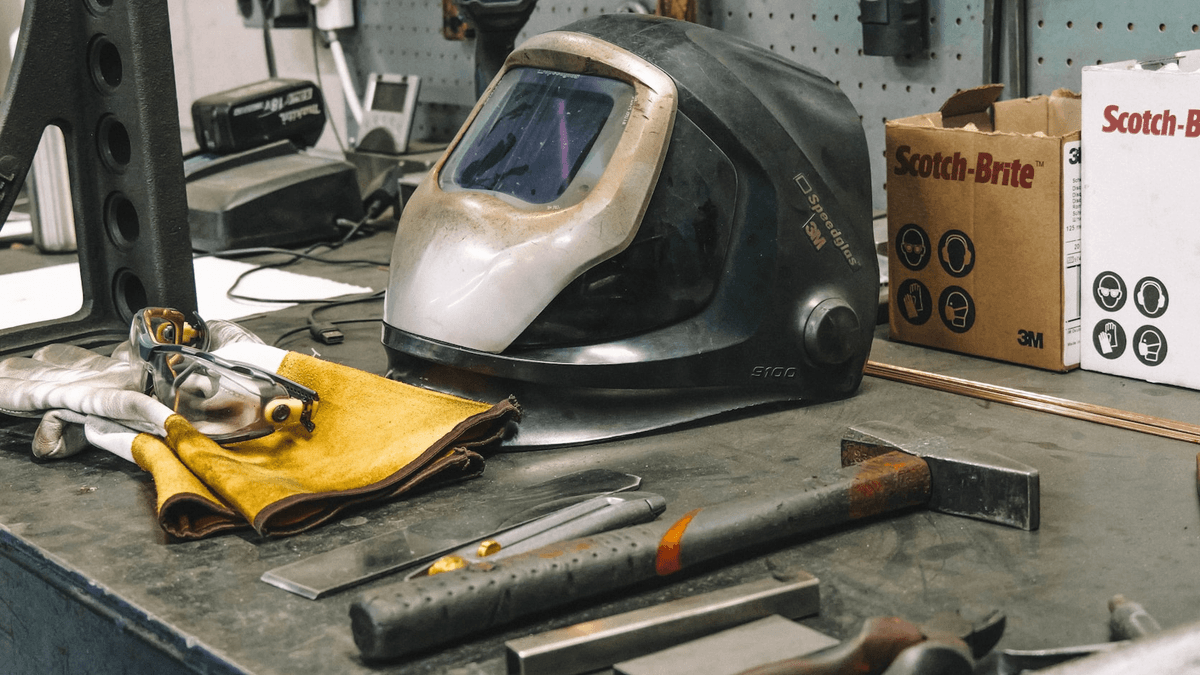
A quality auto‑darkening helmet, welding gloves, and a fire‑resistant jacket are the basics.
Bottom Line
For most beginners, the Hobart Handler 140 hits the sweet spot of ease, reliability, and price. If you want more flexibility, the Yeswelder MIG‑205DS gives you 120/240V capability at a strong value.
Related Guides
Deeper Guide: Setting Up Your First Welder
- Use the right wire. For mild steel, .030″ wire is a common, forgiving choice.
- Gas choice. 75/25 argon‑CO2 is the most common MIG gas for clean welds.
- Practice first. Spend time on scrap before working on a real project.
Extended Field Guide: Getting the Most from a MIG welder
Understand the performance numbers
The headline spec most buyers see is amperage range and duty cycle. That number matters, but it only tells part of the story. In real use, consistent performance across a full session is more valuable than a single peak rating. When comparing models, look at how well the tool performs across typical tasks like metal thickness and project size rather than chasing the biggest marketing number.
Size, capacity, and real workload
Most homeowner‑level jobs fall into a predictable range. If you consistently operate at the top end of the tool’s capability, you’ll feel the slowdown quickly. Choose a model with a little headroom so you’re not running at maximum output all the time. That helps performance, reduces wear, and makes the tool feel less strained.
Runtime and power delivery
Cordless tools live or die by battery performance. For short projects, smaller batteries are easier to manage and keep weight down. For longer sessions, step up to higher‑capacity packs. The same logic applies to corded tools—use a proper extension cord and avoid voltage drop, which can reduce performance and heat up the motor.
Ergonomics and control
Power is important, but control decides whether you actually enjoy using the tool. Look for comfortable grips, balanced weight, and controls that are easy to reach with gloved hands. A tool that feels steady will help you work longer and produce more consistent results.
Accessories that matter
The right accessories make a big difference. Start with auto‑darkening helmet, welding gloves, and spare contact tips. These reduce frustration, improve safety, and often make the tool perform better without any upgrades. In many cases, accessories are the fastest and cheapest way to improve results.
Maintenance and longevity
Keep wire dry, replace tips regularly, and clean the nozzle of spatter. Most tools last longer when you keep them clean and store them properly. If you use the tool seasonally, do a quick inspection before each season so you catch problems early.
Safety basics
Ventilate the area and protect skin from UV exposure.
Safety may not be the exciting part, but it’s what keeps you working confidently. Wear eye protection, keep work areas clear, and take breaks if the tool starts to feel out of control.
Buying checklist
- Confirm the tool’s power rating matches your typical workload.
- Choose the right size or capacity for your space.
- Check weight and balance, especially for longer sessions.
- Verify battery or power compatibility with your existing tools.
- Budget for key accessories and replacement parts.
- Read reviews focused on real‑world durability, not just specs.
Troubleshooting quick wins
- If performance feels weak, check the power source first (battery charge, extension cord, or power setting).
- Clean filters, vents, or intake areas that may be restricting airflow or movement.
- Inspect accessories like blades, chains, or bits for wear and replace them early.
- Keep moving parts clean and lightly lubricated where appropriate.
When to upgrade
If your current tool struggles with your most common tasks, it’s time to step up. Moving to a higher power class or a more durable model often saves time in the long run. For frequent use, it’s usually better to buy a stronger tool once than replace a weaker one every year or two.
Field Notes and Real‑World Scenarios
How the tool behaves in everyday work
In practice, a MIG welder has to handle joining steel for home projects and repairs. That means consistent output matters more than a spec sheet. Tools that feel smooth under load reduce fatigue and make it easier to get good results without over‑correcting.
Setup that saves time
Start on scrap metal and tune wire speed before welding a real project. Small adjustments like this reduce mistakes and help you get predictable results right away.
Storage and long‑term care
Store wire in a dry place and cover the machine when not in use. Simple storage habits usually double the service life of the tool and reduce the need for repairs.
Seasonal timing
Keep gas bottles upright and secured to avoid damage or leaks. Planning around the season helps you avoid tough conditions that push tools beyond their ideal range.
What to do when performance drops
If welds are spattery, reduce wire speed or check polarity. Most performance issues come from small setup problems, not the motor itself.
When it’s time to upgrade
Move to a higher‑duty‑cycle machine for longer, continuous welds. Upgrading at the right time saves money in the long run, especially if your workload grows.
Practical FAQ: The Questions We Hear Most
How long should a MIG welder last with regular use?
With basic maintenance and reasonable workloads, most homeowner‑grade models last several seasons. Heavy, frequent use shortens lifespan, while proper storage and cleaning extend it. If performance drops sharply after a year, check accessories and power sources before replacing the tool.
What’s the easiest way to improve results quickly?
Start with setup and accessories. The right attachment, sharp cutting surface, or properly tuned settings often make a bigger difference than upgrading to a new model. Small tweaks can unlock the performance you expected in the first place.
How do I know if I bought too much power?
If the tool feels heavy, awkward, or you avoid using it because it’s cumbersome, you may have overshot your needs. In many cases, a lighter tool with enough power is more useful day to day than the biggest model available.
How do I choose between two similar models?
Pick the one with better ergonomics, easier service, or a stronger battery ecosystem. Specs can be similar, but the tool you enjoy using will actually get used and deliver better long‑term value.
Is it worth buying the brand’s premium line?
Premium lines usually include better materials, more consistent performance, and longer warranties. If you use the tool often, premium models make sense. If you use it occasionally, mid‑tier options are usually sufficient.
What are the most common mistakes beginners make?
Most mistakes come from rushing setup, using the wrong accessory, or ignoring safety guidelines. Slowing down and setting up correctly usually fixes the problem immediately.
How can I reduce fatigue during long sessions?
Use the right stance, take short breaks, and keep the tool balanced. Lightweight accessories and comfortable grips go a long way toward reducing strain.
What accessories are worth buying first?
Start with the accessories that improve safety and efficiency. Protective gear, replacement parts, and proper attachments are usually the fastest upgrades you can make.
Should I keep a spare battery or replacement parts on hand?
Yes. Having a second battery or spare consumables (like line, chain, or tips) prevents downtime and keeps you working efficiently.
How do I know if I need professional‑grade equipment?
If you use the tool weekly or rely on it for paid work, professional‑grade models are usually worth it. For occasional weekend projects, homeowner‑grade equipment is often a better value.
Use Cases and Setup Checklist
Scenario 1: Light, routine use
Most owners use a MIG welder for routine tasks a few times per season. In this scenario, the focus should be on comfort, easy startup, and low maintenance. If a tool is simple to use and doesn’t feel heavy or awkward, it will get used more often, which ultimately produces better results than a high‑power tool that sits on a shelf.
Scenario 2: Bigger weekend projects
For larger weekend projects, consistent performance matters more than the biggest headline spec. Tools that handle repeated cycles without overheating, stalling, or forcing you to reset settings save a lot of time. This is where mid‑tier models often shine.
Scenario 3: Tough materials or heavy workloads
If you regularly hit tougher conditions, look for durability and extra power headroom. It’s not just about raw output—it’s about how the tool behaves under stress. A model that stays stable and predictable under load is worth more than a tool that spikes power inconsistently.
Scenario 4: Tight spaces or precision work
Compact tools are easier to control in tight spaces. If you work around landscaping, vehicles, or detailed edges, a lighter tool often delivers more accuracy and less fatigue. Choose balance and control over maximum size.
Scenario 5: Long sessions
For long sessions, ergonomics and power delivery are everything. A tool with smooth controls and a comfortable grip can feel dramatically easier to use than a heavier, more powerful option. That translates to better results and fewer mistakes.
Setup checklist before you start
- Inspect accessories or cutting surfaces for wear.
- Confirm the correct power source (battery charge, cord rating, or fuel).
- Check safety guards and protective gear.
- Adjust settings for the task (speed, depth, or power mode).
- Clear the work area and plan your workflow to reduce repositioning.
Troubleshooting quick fixes
- Performance feels weak: verify power source and clean any clogged areas.
- Excess vibration: check that accessories are seated correctly.
- Uneven results: slow down and use consistent passes rather than rushing.
- Overheating: give the tool a short break and reduce load if possible.
Ownership costs to plan for
Budget not just for the tool, but for the accessories and consumables that make it work well. Replacement parts, filters, blades, or tips often determine the true cost of ownership. Planning for these up front helps you avoid surprise expenses later.
Decision Matrix and Final Tips
Choosing a MIG welder is easier when you match it to how often you’ll use it. If you only use it a few times a season, prioritize comfort and low maintenance. For heavier, more frequent use, durability and power headroom matter more than small price differences. Tools that are slightly over‑spec’d for your typical workload usually last longer and feel smoother in use.
Another factor is how much time you want to spend on setup. Tools that are fast to set up and easy to store are used more often. If a tool is annoying to pull out, you’ll delay projects. When in doubt, pick the option you can realistically store, carry, and set up without frustration.
Accessories often decide whether a tool feels “great” or just “good.” Budget extra for the accessories that remove friction, such as replacement consumables, protective gear, or upgraded attachments. These small upgrades often have a bigger impact than moving up one tier in the tool itself.
If you’re on the fence between two models, use a simple checklist: (1) power and capacity, (2) weight and balance, (3) ease of use, (4) total ecosystem cost. A slightly lower‑power tool can be the better choice if it’s easier to control and has a cheaper accessory ecosystem.
Finally, plan for storage and transport. Large tools require space, and bulky tools are less likely to be moved where you need them. If you’re short on storage, choose the model that stores easiest, even if it means a small drop in power.
Quick selection checklist:
– Pick the smallest model that still handles your toughest task.
– Prioritize balance and comfort for longer sessions.
– Make sure the battery or power system matches tools you already own.
– Budget for key accessories and consumables up front.
– Choose the model you’ll actually use often, not the one that looks best on paper.
– If two models are close, take the one with better availability and support.
These steps keep your MIG welder useful long after the first project and prevent the common mistake of buying too much power or too little reliability.
Quick Recap for Busy Buyers
If you want a simple decision path, match the MIG welder to your toughest task and then choose the model that feels easiest to control. The best tool is the one you’ll actually use, so comfort and setup time are as important as raw performance. Buyers who choose a slightly smaller, more manageable option often get better results because they use it more consistently.
Best practice tips:
– Plan your workflow before you start to reduce repositioning.
– Keep consumables handy so you don’t stop mid‑project.
– Clean the tool after use to avoid performance drops.
– Store the tool in a dry, protected space.
These small habits don’t just make the tool last longer—they keep your results consistent across every project.
Related Reading
- Best Cordless Angle Grinders 2026
- Best Shop Vacs 2026
- Best Bench Grinders
- DeWalt vs Milwaukee Comparison