ToolShedTested
Buying Guides

Air Compressor Size Guide for Home Use

Choosing the right air compressor for your home workshop is one of those decisions that can either make your DIY and hobby woodworking projects run smoothly or leave you frustrated and undershooting your needs.

Compact & Portable
DEWALT DWFP55130 Pancake Compressor

Ideal compact entry-point for light pneumatic work.

4.5 / 5Amazon paid link; price & availability change.
Check Price on Amazon
By Jake MercerPublished July 5, 2026Updated July 5, 2026
Research-BackedSpec CheckedPrice Checked

We buy and test our core review products; some buying-guide recommendations are research-backed and clearly labeled. As an Amazon Associate, ToolShed Tested earns from qualifying purchases. When you buy through our links we may earn a commission -- at no extra cost to you. Product links and article details last reviewed July 5, 2026. Full disclosure.

Quick Answer

Choosing the right air compressor for your home workshop is one of those decisions that can either make your DIY and hobby woodworking projects run smoothly or leave you frustrated and undershooting your needs. DEWALT DWFP55130 Pancake Compressor earned Compact & Portable (4.5/5), Metabo HPT EC911SM Pancake Compressor earned Practical Mid-Range (4.4/5), and CRAFTSMAN CMAC20070 Air Compressor earned Workshop Standard (4.7/5).

  1. #1DEWALT DWFP55130 Pancake CompressorCompact & Portable4.5/5Check Current Price
  2. #2Metabo HPT EC911SM Pancake CompressorPractical Mid-Range4.4/5Check Current Price
  3. #3CRAFTSMAN CMAC20070 Air CompressorWorkshop Standard4.7/5Check Current Price
Quick Verdict -- Our Top Picks
Research-BackedSpec CheckedPrice Checked
Compare PicksRead Notes
Compact & Portable
DEWALT DWFP55130 Pancake Compressor
4.5

Ideal compact entry-point for light pneumatic work.

Check Current Price
Practical Mid-Range
Metabo HPT EC911SM Pancake Compressor
4.4

Strong value choice for light-to-moderate DIY projects.

Check Current Price
Workshop Standard
CRAFTSMAN CMAC20070 Air Compressor
4.7

The practical sweet spot for most home workshops.

Check Current Price
At-a-Glance Comparison
RankProductBest forBuy if / skip ifRatingPriceCTA
#1
Compact & PortableDEWALT DWFP55130 Pancake Compressor
Ideal compact entry-point for light pneumatic work.
Best for Occasional Home Use
Verify package
Buy if: Ideal compact entry-point for light pneumatic work.
Skip if: Limited CFM for continuous-duty tools
4.5
$$
Check current
Check Price on Amazon
#2
Practical Mid-RangeMetabo HPT EC911SM Pancake Compressor
Strong value choice for light-to-moderate DIY projects.
Best Value for Trim Work
Verify package
Buy if: Strong value choice for light-to-moderate DIY projects.
Skip if: Still limited for heavy continuous use
4.4
$
Check current
Check Price on Amazon
#3
Workshop StandardCRAFTSMAN CMAC20070 Air Compressor
The practical sweet spot for most home workshops.
Best Overall for Home Workshops
Verify package
Buy if: The practical sweet spot for most home workshops.
Skip if: Requires 110V outlet and adequate shop space
4.7
$$
Check current
Check Price on Amazon
#4
Ultra Quiet OperationCalifornia Air Tools CAT-60040 Ultra Quiet Air Compressor
Best choice for noise-conscious home shops and serious project volume.
Best for Noise-Sensitive Environments
Verify package
Buy if: Best choice for noise-conscious home shops and serious project volume.
Skip if: Larger footprint requires dedicated shop space
4.6
$$
Check current
Check Price on Amazon
#5
Job-Site ReadyMakita MAC4000 Portable Compressor
Most versatile portable option for serious home or light commercial use.
Best Portable for Job Site Use
Kit / verify included batteries
Buy if: Most versatile portable option for serious home or light commercial use.
Skip if: Requires oil maintenance
4.3
$$
Check current
Check Price on Amazon

Choosing the right air compressor for your home workshop is one of those decisions that can either make your DIY and hobby woodworking projects run smoothly or leave you frustrated and undershooting your needs. The confusion usually comes down to one central question: What size air compressor do I actually need? Unlike power tools where horsepower is relatively straightforward, air compressor sizing involves understanding PSI, CFM, tank capacity, and how these specs match your specific tools and work patterns. This guide breaks down everything you need to know to select an air compressor that's appropriately sized for home use.

Understanding Air Compressor Specifications

Before you can select the right size, you need to understand what the numbers on an air compressor actually mean. Three specifications matter most: PSI (pounds per square inch), CFM (cubic feet per minute), and tank capacity in gallons.

PSI is the pressure rating, or how much force the compressor can generate. Most home tools operate between 90 and 100 PSI, though many compressors can deliver more. A typical home air compressor delivers 120–150 PSI maximum, which is plenty for standard pneumatic tools like nail guns, impact drivers, and spray painters.

CFM is the real workhorse metric. It measures how much air volume the compressor delivers per minute at a given PSI. This is where confusion sets in because manufacturers often list CFM at maximum PSI (when the tank is fully charged and under heavy load), but your tools need CFM at the operating pressure you'll actually use. A compressor rated for 3.5 CFM at 90 PSI is what matters for real-world performance, not the inflated number you might see at 40 PSI on the spec sheet.

Tank capacity, measured in gallons, acts as a buffer. A larger tank means the compressor runs less frequently and provides steadier air flow during intermittent tool use. For home workshops, you'll encounter tanks ranging from 1 gallon (portable pancake models) to 60+ gallons (larger stationary units).

Top PickDEWALT DWFP55130 Pancake Compressor
Check Current Price

Matching Compressor Size to Your Tools

The tools you plan to use should drive your compressor choice more than anything else. Different pneumatic tools have vastly different air consumption rates, and undersizing your compressor is the most common mistake homeowners make.

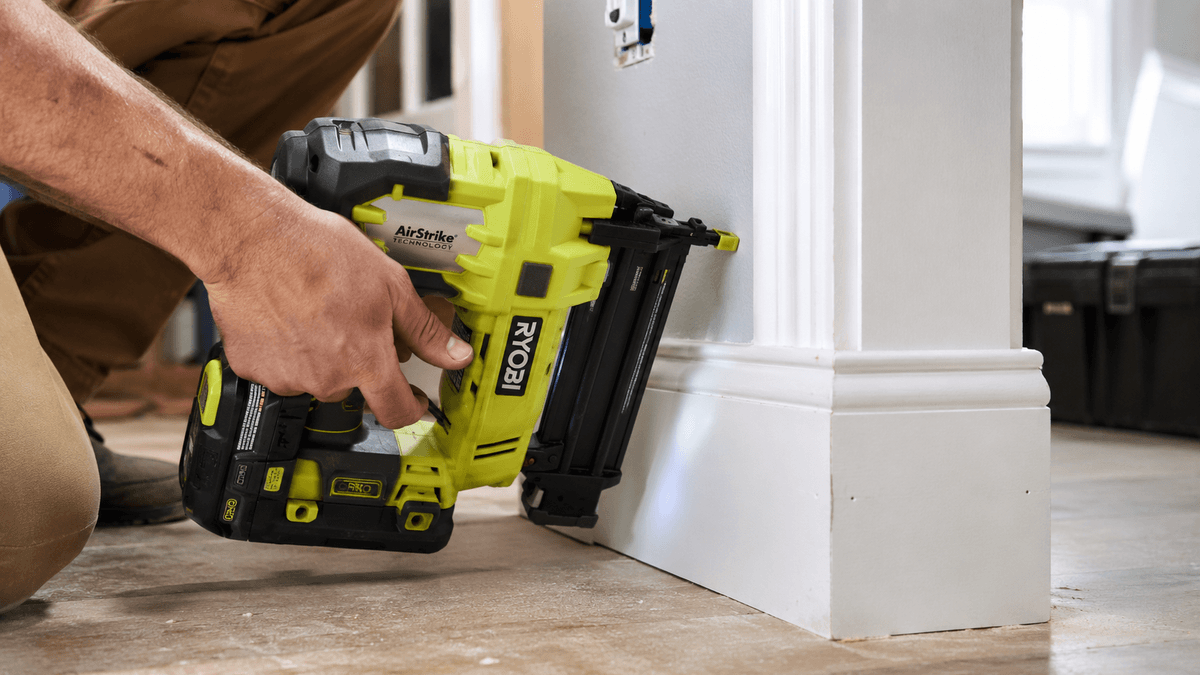
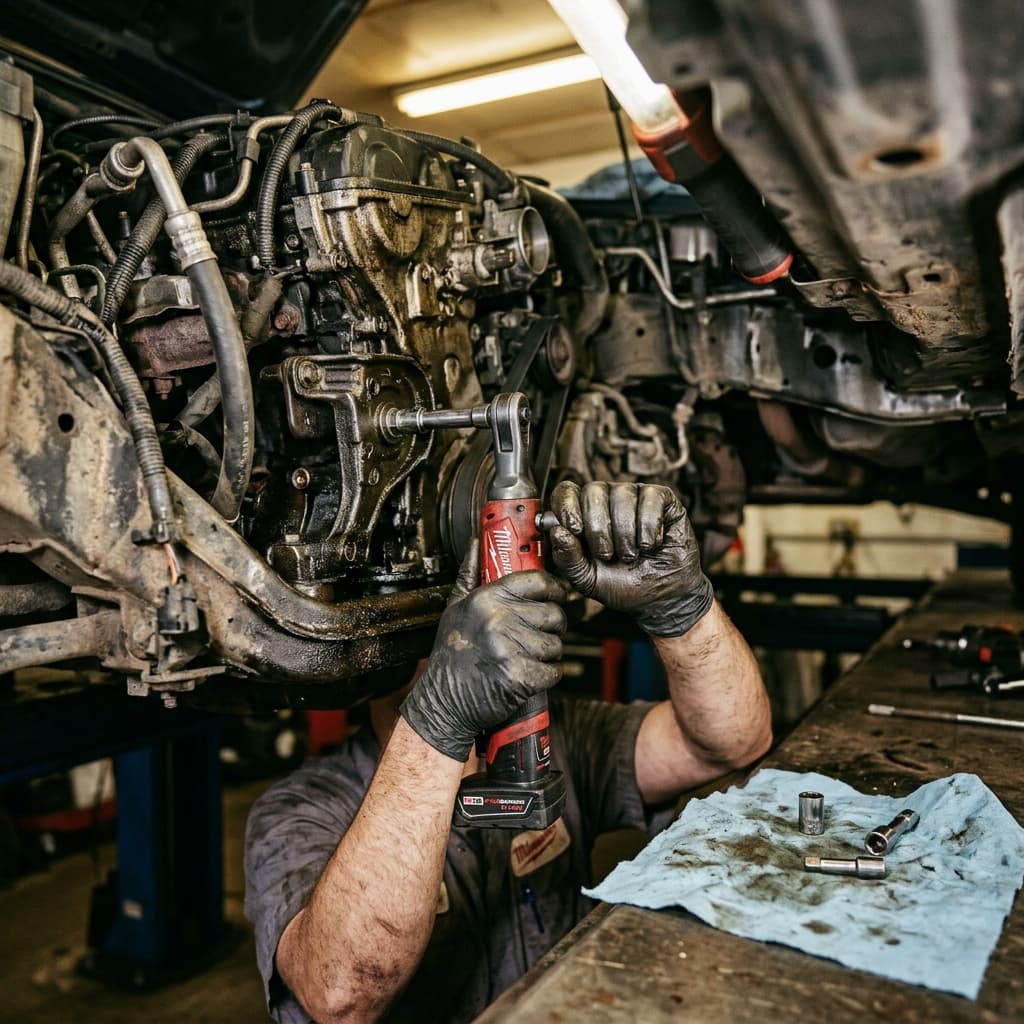
A finish nailer or brad nailer is one of the least demanding tools—these typically need only 0.3–0.5 CFM at operating pressure. A pancake compressor as small as 1 or 2 gallons works fine for occasional framing or trim work. However, a pneumatic impact wrench tells a different story. Impact wrenches designed for home mechanics can demand 4–5 CFM continuously, which means you need a compressor with at least 6–8 CFM capacity to maintain steady air supply without the motor running constantly.

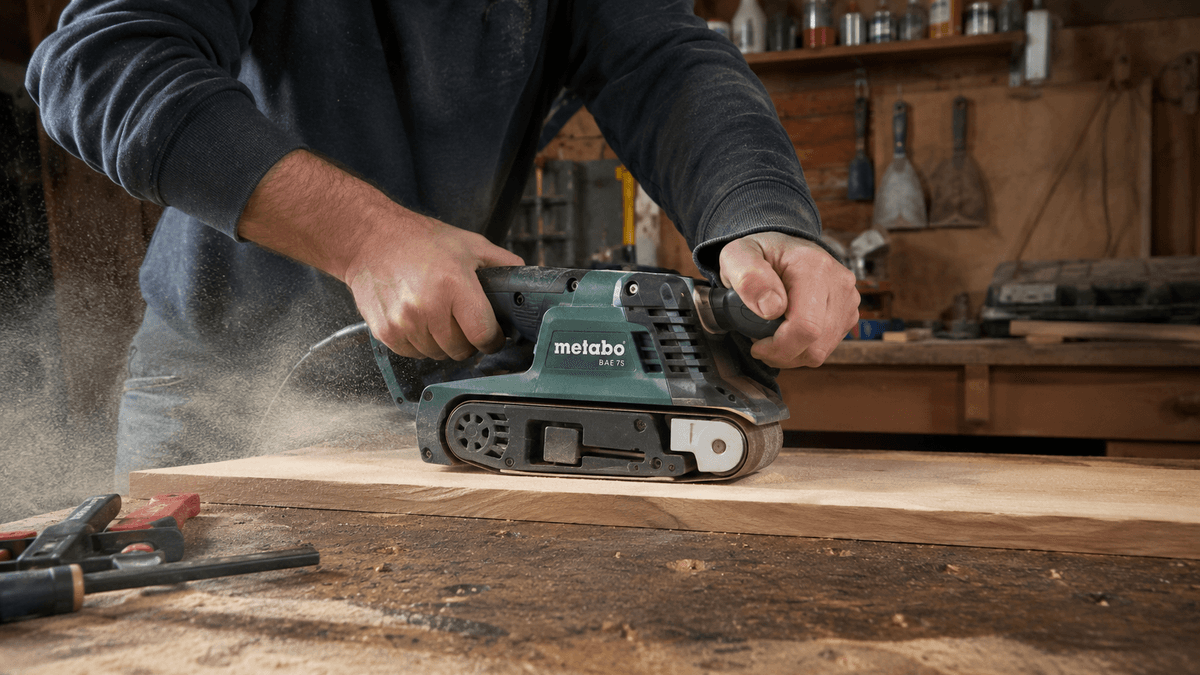
Air ratchets, die grinders, and sandblasters are all heavy consumers. Spray painters fall somewhere in the middle—a HVLP (high-volume, low-pressure) paint sprayer typically needs 12–15 CFM to operate effectively, which explains why many home woodworkers gravitate toward 20–30 gallon compressors.

The key is knowing your primary tool. If you're mainly driving nails and occasionally using an air drill, a 4–6 gallon compressor with 2–3 CFM handles it well. If you're running a paint sprayer, detail sanding, or using multiple tools simultaneously, you're looking at 20+ gallons and at least 4–5 CFM at 90 PSI.

Tank Size: Bigger Isn't Always Better

A common misconception is that you need a massive tank. Tank size does matter, but it's secondary to CFM. Think of it this way: CFM is your supply line, and tank capacity is your buffer. A smaller compressor with a 2-gallon tank can still run a nailer all day without issues because a nailer uses very little air per shot. Between trigger pulls, the tank refills quickly.

Where tank size becomes critical is with continuous-duty tools or when you're juggling multiple tools. A pneumatic sander running continuously will drain any small tank rapidly. A 20-gallon tank gives you breathing room—the compressor cycles on and off rather than running constantly, which extends motor life and reduces heat buildup.

For home use, the sweet spot is typically 20–30 gallons. This provides enough reserve that you won't experience dropoff in performance during casual work sessions, but it's not so large that it dominates your shop space or requires dedicated electrical infrastructure. A 60-gallon industrial compressor is overkill unless you're running a serious hobby business.

Portable vs. Stationary Compressors

Your workshop layout influences whether you need a portable or stationary unit. Portable compressors—usually 1 to 8 gallons—are wheeled or hand-carried. They excel for job sites, home repairs, and situations where you move between projects frequently. The trade-off is that smaller portables have proportionally smaller motors and lower CFM, limiting them to light-duty tasks.

Stationary compressors sit permanently in your shop. They can be larger, more powerful, and more efficient because they don't prioritize portability. They're ideal if you have dedicated workshop space and plan to use air tools regularly. Even a relatively compact 30-gallon stationary compressor offers better performance than a portable model of similar tank size because the motor can be larger.

Power Source and Voltage Considerations

Most home air compressors come in two varieties: electric (plug-in) and gasoline-powered. Electric compressors are quieter, produce no emissions, require less maintenance, and are perfect for indoor shops. Gasoline compressors are portable and don't require electrical infrastructure, but they're noisier and generate fumes—suitable for outdoor work or job sites.

Within electric compressors, check whether you need 110V or 240V single-phase power. A small portable compressor (1–4 gallons) typically runs on standard 110V household current. Larger stationary models (20+ gallons) often need 240V for efficient operation, and you should verify your shop's electrical setup before purchasing. Running a 240V compressor on 110V extension cords can damage the motor.

Noise Level and Operating Environment

Air compressor noise matters if your shop is near your home or garage is close to neighbors. Most compressors generate 70–85 decibels, which is roughly the volume of a vacuum cleaner. Oil-lubricated compressors tend to run quieter than oil-free models, though they require more maintenance. For noise-sensitive situations, look for models with sound-dampening designs or consider placing the compressor in a separate area with acoustic blankets.

Oil-free compressors appeal to home users for convenience—no regular oil changes—but the trade-off is higher noise and shorter engine life. Oil-lubricated units are the traditional choice; they run cooler, quieter, and last longer but require regular oil changes and can't be placed horizontally without risking oil leakage into the air line.

Duty Cycle and Intermittent Use

Home compressors are almost always rated for intermittent duty, meaning they're designed for typical DIY use patterns: short bursts of activity followed by rest periods. Don't run a home compressor continuously for hours—that's not what it's built for. If you find yourself planning continuous operation (like running a sandblaster for a full afternoon), you need a professional-grade compressor, not a home-sized unit.

The duty cycle rating tells you what percentage of an hour the compressor can safely run. A 50% duty cycle means 30 minutes of running per hour; 100% means it can run continuously. Most home compressors are 50–75% duty cycle, which suits casual to moderate use perfectly.

Final Sizing Recommendations by Use Case

For purely occasional use—driving finish nails a few times a year—a 1–2 gallon portable pancake compressor suffices. These are affordable, take up minimal space, and are genuinely handy to own.

For regular DIY projects, occasional framing, and trim work, a 4–6 gallon compressor with 2.5 CFM at 90 PSI is your baseline. Look at Check Price for examples of this category.

For serious home woodworking, multiple pneumatic tools, or spray painting, step up to 20–30 gallons with at least 4 CFM at 90 PSI. Check out Check Price to see what's available in this practical sweet spot.

If you're running a small hobby business or heavy tool rotation, 40–60 gallons with 5+ CFM starts to make sense, though these units typically require 240V power and dedicated shop space. A quality Check Price will serve you well for years.

Maintenance and Long-Term Considerations

Whichever size you choose, plan for basic maintenance. Oil-lubricated compressors need oil changes; oil-free units need periodic filter replacement. Drain the tank regularly to remove moisture and condensation. Keep intake vents clean, and store the compressor in a clean, dry area. These simple habits extend the life of any compressor significantly.

Also consider the warranty. Home-use compressors typically carry 1–3 year warranties. Stationary units from reputable manufacturers often include longer protection. A slightly higher-priced unit from an established brand with strong warranty support is a better investment than the cheapest option available.

Making Your Final Decision

Sizing an air compressor comes down to three honest answers: What tools will you use? How often will you use them? And where will the compressor live? If you're unsure whether you need 20 gallons or 30 gallons, lean toward the larger unit—it won't hurt performance and provides useful headroom as your workshop evolves. However, if your work is genuinely light and infrequent, don't over-invest; a smaller compressor is more affordable and takes up less space.

The wrong-sized air compressor creates frustration: either it's too small and runs constantly (wearing out prematurely), or it's too large and wastes money and space. The right size runs efficiently, handles your tools comfortably, and becomes an indispensable part of your home workshop. Use the CFM and tank capacity guidance here to match your actual needs, and you'll make a choice you won't regret for years.

Our Picks, Reviewed

#1 -- Compact & Portable

DEWALT DWFP55130 Pancake Compressor

4.5/5Check Amazon price →
Best for
Best for Occasional Home Use
Package
Package: verify current retailer listing before checkout

Ideal compact entry-point for light pneumatic work.

Key features
  • 1 gallon tank capacity
  • 100 PSI maximum pressure
  • Oil-free operation
  • Runs on standard 110V power
  • Lightweight and portable design
Pros
  • Extremely portable for DIY projects
  • Quiet operation suitable for residential areas
  • No oil maintenance required
Cons
  • Limited CFM for continuous-duty tools
  • Frequent cycling on small tank

Who it's for: Homeowners who occasionally drive nails, use brad nailers, or inflate tires and need something compact.

Check Price on Amazon
#2 -- Practical Mid-Range

Metabo HPT EC911SM Pancake Compressor

4.4/5Check Amazon price →
Best for
Best Value for Trim Work
Package
Package: verify current retailer listing before checkout

Strong value choice for light-to-moderate DIY projects.

Key features
  • 1.1 gallon tank
  • 120 PSI maximum
  • 2.4 CFM at 90 PSI
  • Oil-free motor
  • Pancake design for tight spaces
Pros
  • Excellent CFM-to-size ratio
  • Handles nailers and basic tools comfortably
  • Reasonably priced
Cons
  • Still limited for heavy continuous use
  • Small tank requires frequent refill during extended sessions

Who it's for: Homeowners doing regular trim work, framing, or occasional pneumatic tool use.

Check Price on Amazon
#3 -- Workshop Standard

CRAFTSMAN CMAC20070 Air Compressor

4.7/5Check Amazon price →
Best for
Best Overall for Home Workshops
Package
Package: verify current retailer listing before checkout

The practical sweet spot for most home workshops.

Key features
  • 20-gallon vertical tank
  • 3.5 CFM at 90 PSI
  • 150 PSI maximum pressure
  • Oil-lubricated, single-stage motor
  • Manual drain valve
Pros
  • Excellent CFM for multiple tools
  • Stationary design fits typical workshop space
  • Motor runs less frequently due to tank capacity
  • Strong brand support and warranty
Cons
  • Requires 110V outlet and adequate shop space
  • Oil maintenance needed

Who it's for: Serious home woodworkers and DIY enthusiasts planning regular pneumatic tool use across multiple projects.

Check Price on Amazon
#4 -- Ultra Quiet Operation

California Air Tools CAT-60040 Ultra Quiet Air Compressor

4.6/5Check Amazon price →
Best for
Best for Noise-Sensitive Environments
Package
Package: verify current retailer listing before checkout

Best choice for noise-conscious home shops and serious project volume.

Key features
  • 60-gallon tank capacity
  • 5.3 CFM at 90 PSI
  • 125 PSI maximum
  • Oil-free operation
  • Sound level approximately 60 dB
Pros
  • Significantly quieter than standard compressors
  • Large tank minimizes motor cycling
  • Oil-free means low maintenance
  • Handles serious DIY and light commercial work
Cons
  • Larger footprint requires dedicated shop space
  • Higher price point than mid-range models

Who it's for: Home workshop owners near residential areas or those wanting premium quiet performance for extended work sessions.

Check Price on Amazon
#5 -- Job-Site Ready

Makita MAC4000 Portable Compressor

4.3/5Check Amazon price →
Best for
Best Portable for Job Site Use
Package
Kit/package: verify included batteries before checkout

Most versatile portable option for serious home or light commercial use.

Key features
  • 4-gallon tank
  • 2.6 CFM at 90 PSI
  • 120 PSI maximum pressure
  • Lightweight at 41 pounds
  • Oil-lubricated for durability
Pros
  • Excellent portability for moving between projects
  • Good CFM for portable category
  • Proven durability and brand reliability
Cons
  • Requires oil maintenance
  • Small tank for continuous work

Who it's for: DIY homeowners and contractors who move between job sites and need reliable portable air supply.

Check Price on Amazon
MethodologyHow we tested these tools

We buy and test our core review products; some buying-guide recommendations are research-backed and clearly labeled. Recommendations are labeled as hands-on tested, workshop tested, research-backed, spec checked, or price checked so readers can tell exactly what kind of evidence supports each pick. No paid placements influence our ratings.

  • Performance (30%)Torque, cut speed, material removal rate, and other category-specific output notes tracked with repeatable materials.
  • Runtime (25%)Continuous-use and intermittent-use battery tests under realistic working load. Manufacturer claims verified or refuted.
  • Durability (20%)Build quality, dust exposure, vibration, housing wear, and long-term jobsite notes when extended-use data is available.
  • Ergonomics (15%)Weight and balance, grip comfort during real project sessions, vibration fatigue, and glove-friendly control layout.
  • Value (10%)Performance-per-dollar across Amazon, Home Depot, Lowes, and Acme. Kit-vs-bare-tool math and ecosystem cost factored in.

Read our full testing methodology for the complete scoring rubric and equipment list.

Related

You Might Also Like

Are Harbor Freight Tools Actually Getting Better?
Buying Guide

Are Harbor Freight Tools Actually Getting Better?

Harbor Freight tools have improved significantly: but how much? We tested recent Chicago Electric and Bauer tools against name brands to find out what's worth buying.

Read Guide
Best Amazon Prime Day Power Tool Deals 2026: Top Early Sales
Deal

Best Amazon Prime Day Power Tool Deals 2026: Top Early Sales

The biggest Amazon Prime Day 2026 power tool sales: DeWalt, Metabo HPT, Bosch, Black+Decker. Deal targets, price-history notes, and what to buy as the holiday promo rolls out.

View Deal Notes
Best Amazon Tool Starter Kit for New Homeowners (2026): What to Buy First
Buying Guide

Best Amazon Tool Starter Kit for New Homeowners (2026): What to Buy First

The best Amazon tool starter kit for new homeowners starts with a drill and driver, then adds a saw, shop vac, sander, and practical accessories.

Read Guide
JM
Jake MercerLead Reviewer

Former licensed general contractor with 14 years of residential construction experience. Leads ToolShed Tested's hands-on review program and spec-check process.

Licensed Contractor14 Years ExperienceEvidence-Labeled Reviews
Workshop Dispatch

Get the Workshop Dispatch

Reader questions, testing notes, and current tool-buying calls from ToolShed Tested.

Request DispatchSend a Tool Tip

Direct email signup for now. No paid reviews, no manufacturer lists.