A cluttered garage workshop is the enemy of productivity. When your chisels are mixed in with screwdrivers, your power tools scattered across the bench, and your hardware buried in a junk drawer, simple projects take twice as long.
Current recommendations are research-backed. Each article identifies its evidence, sources, update date, and limitations. No current guide is presented as hands-on tested. As an Amazon Associate, ToolShed Tested earns from qualifying purchases. When you buy through our links we may earn a commission -- at no extra cost to you. Product links and article details last reviewed July 8, 2026. Full disclosure.
A cluttered garage workshop is the enemy of productivity. When your chisels are mixed in with screwdrivers, your power tools scattered across the bench, and your hardware buried in a junk drawer, simple projects take twice as long. The right tool organizer transforms chaos into a functional, efficient workspace where you can find what you need in seconds and actually enjoy the time you spend building.
Tool organization isn't just about aesthetics—it's about safety, efficiency, and protecting your investment in quality tools. A well-organized workshop reduces the risk of accidents caused by tripping over cables, increases your workflow speed, and extends the lifespan of your tools by keeping them protected from moisture and damage. Whether you're a weekend hobbyist or a serious woodworker, finding the right tool storage solution for your space matters enormously.
This guide covers the best tool organizers for garage workshops, helping you evaluate your actual needs and find storage that fits both your budget and your workspace constraints.
Tool organizers come in several distinct categories, each designed for different workshop layouts and tool collections. Understanding the strengths of each type helps you make a practical choice rather than buying solutions that don't match your real workflow.
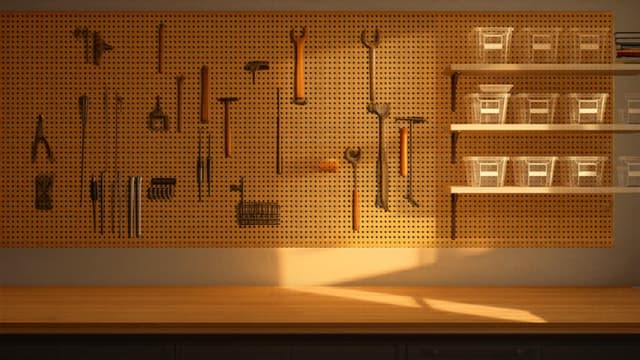
Wall-Mounted Storage Systems are ideal if you have limited floor space or want quick access to frequently used tools. These include pegboard systems, slat wall organizers, and magnetic strips. Wall mounting keeps your tools visible and accessible while freeing up valuable bench and floor real estate. The main trade-off is that you're limited by available wall space and weight capacity.
Tool Chests and Cabinets provide maximum protection and organization in a compact footprint. They're excellent for workshops where you need secure storage, want to keep dust off your tools, or prefer to keep your work area completely clear. Tool chests range from compact portable models to full-wall cabinets with dozens of drawers.
Modular Storage Systems offer flexibility—you can add units as your tool collection grows and reconfigure them as your workshop evolves. These systems typically use shelving units, work benches with built-in storage, or stackable components that adapt to your changing needs.
Garage Wall Panels and Slat Walls have become increasingly popular because they're durable, flexible, and can be customized with various hook styles and accessories. Unlike traditional pegboard, which can sag under load, quality slat wall systems hold up to heavy tools and look professional.
Mobile Tool Storage includes tool carts, rolling cabinets, and portable toolboxes. These work well if you move between projects in different areas of your garage or workshop, or if you need to keep tools close to your work surface.
Key Features to Evaluate
Before purchasing any tool organizer, think carefully about which features matter for your situation.
Weight Capacity is non-negotiable if you work with heavier power tools like impact drivers, reciprocating saws, or hand tools like wrenches and hammers. Flimsy wall-mounted systems may look nice but will sag or fail if you hang your actual collection on them. Check the manufacturer's weight specifications honestly—not just the per-hook rating, but the total system capacity.
Accessibility determines how efficiently you work. If your most-used tools require moving three other items to reach them, you'll stop using your organization system. The best organizers put frequently used items at eye level and within arm's reach, with less-used items stored higher or lower.
Space Efficiency matters tremendously in residential workshops where square footage is precious. Vertical storage is almost always better than spreading tools across workbenches or shelves, but you need enough wall space to make it work.
Durability and Protection vary significantly between organizers. Sealed cabinets protect tools from dust, rust, and humidity—important in garages without climate control. Wall systems offer less protection but make tools easier to grab. Consider your climate and how often you use your tools.
Expandability is worth considering if you're building your tool collection. Modular systems and wall organizers that work with various accessory styles let you add capacity without starting over.
Pegboard Systems remain popular because they're affordable and customizable. A sheet of pegboard costs $15–40, and you can arrange hooks to fit your specific tools. The downside: traditional pegboard sags over time, especially under heavier tools. Look for commercial-grade pegboard or reinforce it with plywood backing. View pegboard systems on Amazon to see the range available.
Garage Wall Slat Systems have largely replaced pegboard for serious workshops. Products like those from Wall Control and similar brands use aluminum or plastic slats with a grid pattern, allowing you to install hooks, shelves, and baskets anywhere. They hold considerably more weight than pegboard and won't sag. The trade-off is higher cost (typically $150–400 for a wall-size system), but longevity justifies the investment. Check out slat wall organizer options on Amazon to compare brands and price points.
Tool Chests with Multiple Drawers organize hand tools beautifully and protect them from garage dust and temperature swings. Quality tool chests (from brands like Snap-on, MAC, or more affordable options like Craftsman) have fitted drawers that keep everything organized and accessible. The main limitation is cost—a quality multi-drawer chest runs $300–2,000+. However, for someone with a large collection of hand tools, the protection and organization justify the expense.
Rolling Tool Carts solve the mobile storage challenge. These wheeled organizers let you bring everything you need to your work area, then wheel it away when you're done. They're excellent for workshops with limited wall space or where you work in multiple zones. A quality rolling cart with multiple shelves and drawers costs $150–400 and provides flexibility that stationary systems can't match. Browse rolling tool cart options on Amazon to see various configurations.
Wall-Mounted Shelving with Bins combines vertical storage with contained organization. Open shelving above and labeled plastic bins below creates zones for different tool types. This approach is budget-friendly ($100–300 for a wall section) and highly customizable. It does require more active maintenance—bins can become disorganized—but works well for workshops where you're willing to spend five minutes weekly maintaining your system.
Organization Strategies That Actually Work
Having the right storage structure is only half the battle. The most sophisticated tool organizer fails if you don't develop habits that keep it organized.
Categorize by Tool Type rather than randomly placing tools. Keep all fasteners together, all cutting tools in one zone, all fastening tools in another. This makes it intuitive to find what you need and obvious when something is missing.
Store Frequently Used Tools at Eye Level and within arm's reach of your main work surface. Tools you use occasionally can go higher or deeper. Tools you rarely use can go in less-convenient storage.
Label Everything if you use bins, drawers, or closed storage. It sounds obvious but makes an enormous difference in keeping the system functional long-term. Even experienced woodworkers lose track of where specialty bits or fasteners live without clear labeling.
Use Tool-Specific Organizers for items that deserve dedicated space. Magnetic strips for chisels, router bit holders for router bits, and screw organizers for fasteners keep specialty tools accessible and protected. Find dedicated tool storage solutions on Amazon to explore specialty organizers that protect your specific tools.
Create a Maintenance Routine where you reset your organization space weekly. Spend 5–10 minutes returning misplaced tools, wiping shelves, and checking that everything is where it should be. This prevents the slow slide back into chaos.
Budget Considerations
Tool organization doesn't require a massive investment, but spending a bit more often pays off through durability and actually staying organized.
Budget-Conscious Setup (check current retailer pricing): Pegboard with hooks, plastic shelving units, and storage bins. This works fine for casual users and fits most garage constraints.
Mid-Range System (check current retailer pricing): Quality slat wall organizer covering a good portion of wall, plus a small rolling cart for hand tools. This provides professional-level organization and durability.
Premium Setup ($1,500+): Combination of wall slat system, quality tool chest for hand tools, and specialized storage for power tools. This approach gives you comprehensive organization with maximum protection.
The real cost consideration is time—your workshop time is valuable. An organization system that's genuinely functional and that you'll actually maintain is worth more than a cheaper system you'll abandon after three months.
Making the Right Choice for Your Workshop
The best tool organizer for your garage workshop depends on three factors: the tools you actually own, the space you have available, and how you typically work.
If you have mainly hand tools and limited wall space, a quality tool chest or rolling cart might be your best investment. If you have numerous power tools and plenty of wall space, a slat wall system gives you flexibility and accessibility. If you're a mixed user who collects tools gradually, modular systems with expandability might be worth the premium.
Visit your current workshop and honestly assess what you need. Take inventory of your tools, measure your available wall space, and think about your actual workflow. A $300 organizer that matches your real needs beats a $800 system that doesn't fit your tools or your space.
The goal of tool organization is a workshop where you can focus on your craft—whether that's building furniture, maintaining vehicles, or working on countless small projects. When your tools are organized and accessible, you spend less time searching and more time creating.
Investing in quality tool organization transforms your garage from a frustrating jumble into a functional, efficient workspace. It's one of the highest-value investments you can make in your workshop, paying dividends every single time you work.