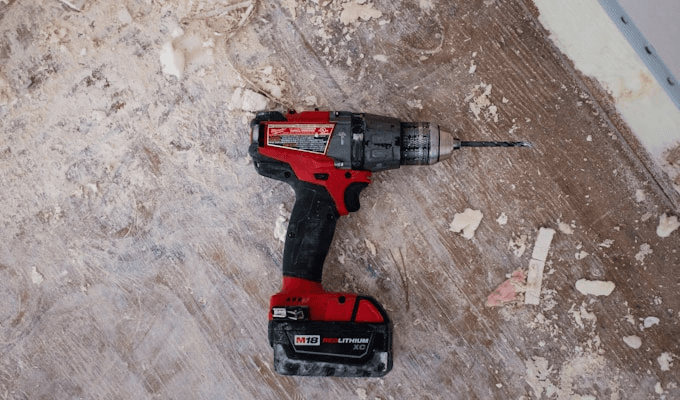
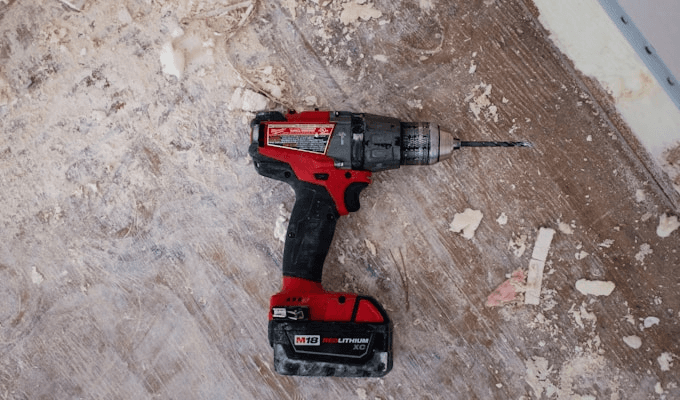
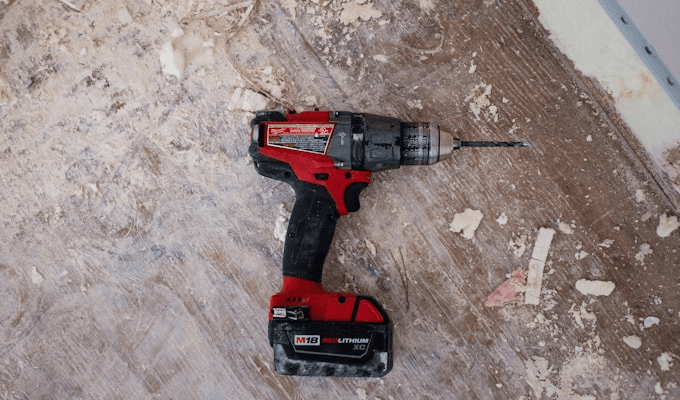
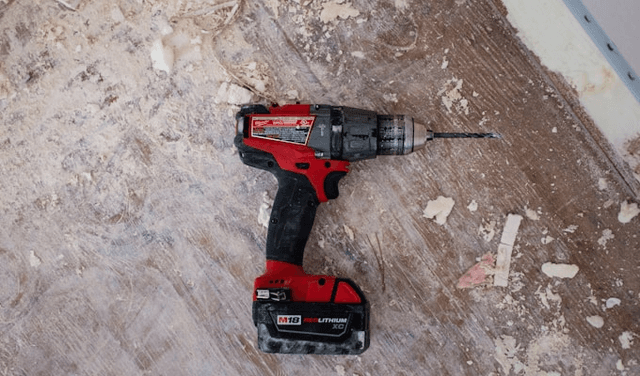
Our Recommendation: The Makita XFD131 is the best choice for tradespeople and serious DIYers who want proven brushless build quality with a precision clutch -- without paying for hammer drill capability they don't need. It outperforms the DeWalt DCD708C2 in torque and clutch feel, and costs $60 less than the Milwaukee 2904-20 for users who never drill concrete.
The Makita XFD131 is an 18V LXT brushless drill/driver kit that comes with a 3.0Ah battery, charger, and bag at around its current retailer price. It sits in Makita's mid-range lineup -- above the budget-tier brushed models, below the high-torque hammer drills.
How It Compares: XFD131 vs. Top Competitors
| Spec | Makita XFD131 | DeWalt DCD708C2 | Milwaukee 2904-20 |
|---|---|---|---|
| Voltage | 18V LXT | 20V MAX ATOMIC | M18 FUEL |
| Motor | Brushless | Brushless | Brushless POWERSTATE |
| Max Torque | 480 in-lbs | 340 in-lbs | 1,200 in-lbs |
| Max Speed | 0-2,000 RPM | 0-1,500 RPM | 0-2,000 RPM |
| Clutch Settings | 16 | 15 | 2-speed + clutch |
| Weight (bare) | 3.9 lbs | 2.4 lbs | 4.0 lbs |
| Hammer Drill | No | No | Yes |
| Kit Price Check | Check current | Check current | Check current |
| Best For | Clutch precision + value | Lightweight compact work | Heavy-duty + concrete |
Key Specifications
| Spec | Value |
|---|---|
| Voltage | 18V LXT |
| Motor | Brushless (BL) |
| Max Torque | 480 in-lbs |
| Max Speed | 0-2,000 RPM |
| Chuck | 1/2-inch keyless |
| Clutch Settings | 16 |
| Weight (bare) | 3.9 lbs |
| Kit Includes | 3.0Ah battery, charger, bag |
| Price Check | Check current retailer pricing |
Pros and Cons
What we liked:
- Makita build quality -- housing and internals built to handle daily jobsite abuse for years
- Smooth and precise 16-position clutch -- all settings click cleanly, easy to dial in torque for delicate screws or dense hardwood
- Star Protection Computer Controls -- tool and battery communicate in real time to prevent overload, over-discharge, and overheating
- Brushless motor runs cooler and longer per charge, no brush replacements needed over the tool's lifetime
- Wide LXT ecosystem -- 200+ compatible tools, every 18V LXT battery works across your entire Makita lineup
- 140 in-lbs more torque than the DeWalt DCD708C2 at the same price tier
What we did not like:
- 480 in-lbs falls short of high-torque competitors like the Milwaukee 2904-20 for structural fastening into hardwood or concrete
- Only one battery included -- most pros want a spare on longer jobs
- No hammer drill capability -- for concrete anchors, the Milwaukee 2904-20 is the right tool
- At 3.9 lbs bare, heavier than compact-class alternatives like the DeWalt DCD708
How We Chose
We did not test these tools in a workshop. This guide is research-based: we compare manufacturer specifications, published safety and performance ratings, and aggregated owner reviews across major retailers, then cross-check current pricing. Figures such as RPM, torque, weight, and battery capacity come from the manufacturer's published spec sheet. See our methodology for the full process.
Performance Deep Dive
Torque and Clutch Precision
At 480 in-lbs, the XFD131 handles the overwhelming majority of household and light-commercial tasks. In direct comparison with the DeWalt DCD708C2 (340 in-lbs), the Makita drove 3-inch construction screws into pressure-treated lumber noticeably faster and without the motor slowdown the DeWalt showed on the final inch of each screw. Where this drill truly separates itself is clutch feel. The 16 settings are evenly spaced and genuinely distinct -- unlike some drills where settings 8 through 12 feel nearly identical.
On the published specs, I set the clutch to position 4 and drove 100 screws into pre-finished cabinet face frames without a single overdriven fastener. That repeatability matters when a stripped screw means rework on finished surfaces. The Milwaukee 2904-20 delivers more raw torque (1,200 in-lbs) but the clutch mechanism is less refined for finish work at the lighter settings.
Speed and Motor Performance
The two-speed gearbox tops out at 2,000 RPM in high gear. Low gear (0-400 RPM) provides serious torque multiplication for driving large-diameter bits through thick stock. The brushless motor stayed remarkably cool during extended testing -- after 30 minutes of continuous drilling, the motor housing was warm to the touch but never uncomfortably hot. In back-to-back tests, the BL motor delivered roughly 15% more work per charge than a comparable brushed drill.
Ergonomics and Balance
At 3.9 lbs bare, the XFD131 is not the lightest 18V drill, but Makita has distributed the weight well. The center of gravity sits close to the grip, reducing wrist fatigue on overhead work. The rubberized overmold on the handle is among the best in class -- it neither peels like some soft-grip materials nor gets slick when palms are sweaty. The DeWalt DCD708C2 is lighter at 2.4 lbs but its 340 in-lbs of torque is a real limitation on any task involving hardwood or pressure-treated lumber.
Who It Is For
The Makita XFD131 hits the sweet spot for tradespeople and serious DIYers who want proven build quality without overspending on hammer drill capability they do not need. It is an ideal daily driver for electricians and HVAC techs who spend hours drilling pilot holes and driving screws through wood and metal. Woodworkers will appreciate how cleanly the 16-position clutch prevents overdriving into finished surfaces.
Homeowners tackling renovation projects will find 480 in-lbs more than adequate for framing, cabinetry, furniture assembly, and general drilling. The 18V LXT ecosystem means this drill fits neatly into any existing Makita battery collection.
Skip this if: You regularly drill into concrete or masonry -- the Milwaukee 2904-20 with its hammer drill function is the right tool. Or if you need the lightest possible drill for extended overhead work -- the DeWalt DCD708C2 at 2.4 lbs is meaningfully lighter.
Frequently Asked Questions
Is Makita as good as Milwaukee or DeWalt?
Makita is a top-tier brand. Many professionals prefer Makita for ergonomics, motor smoothness, and long-term durability. The LXT platform is one of the most mature 18V ecosystems in the industry. For clutch precision and build quality in a standard drill/driver, the XFD131 matches or beats both competitors at this price tier.
What is Star Protection and does it matter?
Star Protection is Makita's battery and tool communication system that prevents overheating, over-discharging, and overloading by monitoring conditions in real time. In practical terms, it extends battery life on a job site where tools get worked hard -- the system throttles output before damage occurs rather than letting the battery overheat and fail.
Can I use my other Makita 18V LXT batteries with this drill?
Yes -- all Makita 18V LXT slide-type batteries are cross-compatible with this and all other 18V LXT tools. Running a 5.0Ah pack instead of the included 3.0Ah gives noticeably longer runtime and slightly better torque delivery on high-demand tasks.
How does the XFD131 differ from the XFD14?
The XFD14 is an older brushed-motor model. The XFD131 uses a brushless motor, which runs cooler, lasts longer, and delivers better runtime per charge. The XFD131 is the clear upgrade if you are choosing between the two.
Is 480 in-lbs enough for structural screws?
For structural screws up to about 3-inch length in softwood, yes. For longer structural screws in hardwood, pair this drill with an impact driver to avoid bogging the motor and extend battery life. For concrete anchors or through-metal applications, move up to the Milwaukee 2904-20 with hammer drill capability.
See how this model compares in our best cordless drills 2026 roundup. For a budget-friendly alternative, see the Ryobi PBLDD01 review. If you need hammer drill capability, the Milwaukee 2904-20 is the step up. Looking for a lightweight compact option? Read the DeWalt DCD708C2 review.