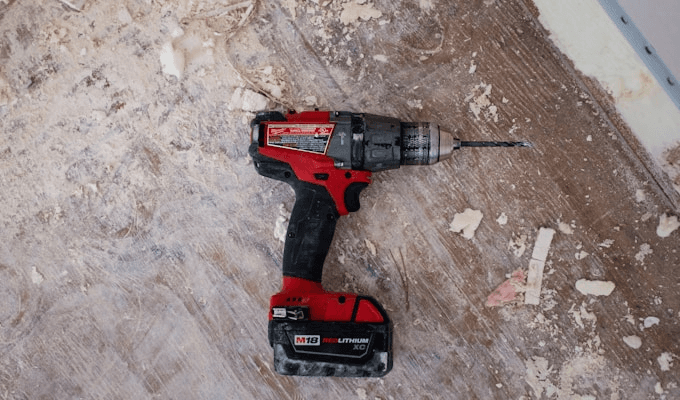
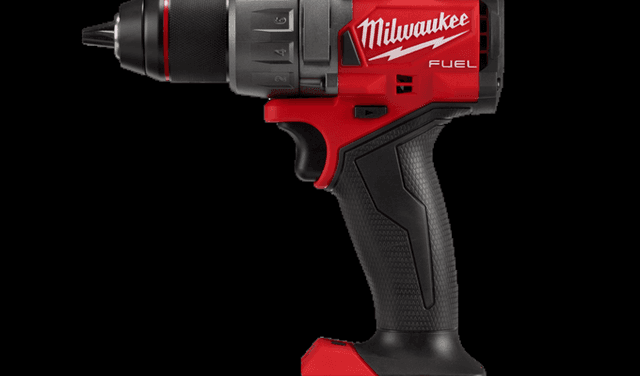
Milwaukee 2904-20 rated 4.8/5. 1,200 in-lbs torque, all-metal ratcheting chuck, POWERSTATE brushless motor. This page is a research-backed, spec-checked review page for readers who want the quick buying context behind the product card, not a recycled retailer description.
Who This Drill/Driver Is For
Milwaukee buyers who want a drill/driver for pilot holes, fastener driving, light boring, and homeowner repair work. The strongest case for this model is not just the badge on the side; it is whether the platform, size, and configuration match the work you repeat most often. For a buyer already invested in M18, Milwaukee 2904-20 can make more sense than starting over with another battery ecosystem.
It is also a practical choice when the job calls for pilot holes, fastener driving, light boring, and homeowner repair work and you want one tool that stays inside a familiar brand platform. If you only need the tool once, the battery and accessory costs deserve more weight than the headline rating.
Spec Check
We checked the product record for the model name, battery platform, bare-tool or kit positioning, and the outbound retailer link before keeping it live. The current record identifies this as the bare-tool configuration, which matters because batteries, chargers, blades, wheels, bars, chains, and cases can change the real checkout cost.
- Milwaukee 2904-20 is listed in the M18 platform as a drill/driver in the bare-tool configuration.
- Best-fit use case: Milwaukee Hammer Drill.
- Rating used on ToolShed Tested: 4.8/5, based on the current research-backed product record.
- Main buying variables: chuck quality, clutch range, speed settings, handle balance, and whether hammer mode is actually needed.
Hammer-drill language should not be confused with rotary-hammer performance; masonry volume changes the tool class. That is why this review avoids pretending one score tells the whole story. The model number, included accessories, and platform fit are the details most likely to decide whether this is the right buy.
What Stands Out
POWERSTATE brushless motor delivers 1200 in-lbs of torque and 38250 BPM for masonry drilling. 4-mode selector covers drill driver and two hammer modes for diverse job site applications. Those are the reasons this model still belongs in the review database and related buying guides. The best use case is a buyer who understands the platform tradeoff and wants a tool that fits a specific workflow instead of a generic all-purpose recommendation.
The rating is strongest when judged against similar tools in the same class. It should not be read as a promise that this model beats every tool in a broader category, especially when compact tools, cordless tools, and higher-output trade tools are solving different problems.
Tradeoffs To Know
Bare tool only -- M18 battery and charger sold separately. Larger and heavier than compact M18 drills -- less comfortable for extended overhead applications. Those limitations are not automatic dealbreakers, but they are the details that separate a smart purchase from a regret buy.
If you are comparing this against a kit, check whether the competing package includes the battery size you would actually use. If you are comparing it against another bare tool, compare the platform you already own first, then the headline specs second.
How To Compare It
The cleanest comparison set for Milwaukee 2904-20 is not every drill/driver on the market. It is the closest same-platform model, the closest competing-brand model at a similar rating, and the cheapest credible alternative that still covers pilot holes, fastener driving, light boring, and homeowner repair work. That keeps the decision grounded in real buying tradeoffs instead of spec-sheet noise.
For most readers, the first question is platform ownership. If you already own batteries in M18, this model gets a natural advantage because the checkout price can stay lower and the tool is easier to fold into your shop. If you do not own the platform, treat the battery and charger as part of the purchase even when the retailer headline makes the tool look inexpensive.
The second question is workload. A buyer doing occasional homeowner work can prioritize weight, control, and package value. A buyer using the tool every week should put more weight on durability signals, accessory availability, and whether the tool has enough headroom for tougher material. That difference is why this review keeps the recommendation tied to use case rather than calling it a universal winner.
Bottom Line
Milwaukee 2904-20 is worth considering when you want a Milwaukee Hammer Drill option and the M18 platform fits your shop. It is not the automatic pick for every buyer, but it is a credible shortlist model when the configuration, accessories, and real work pattern line up.