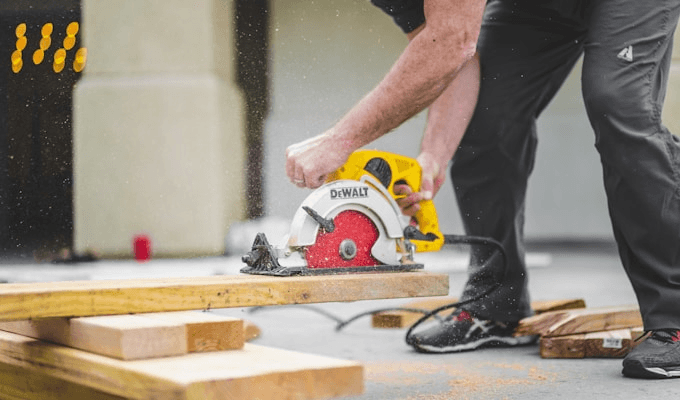
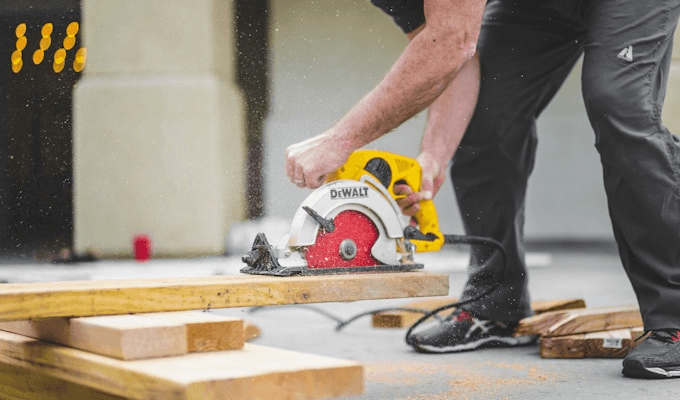
Whether you're removing grout from bathroom tiles, cutting drywall for electrical outlets, or sanding intricate edges on a woodworking project, this tool offers flexibility that few single-purpose tools can match.
Current recommendations are research-backed. Each article identifies its evidence, sources, update date, and limitations. No current guide is presented as hands-on tested. As an Amazon Associate, ToolShed Tested earns from qualifying purchases. When you buy through our links we may earn a commission -- at no extra cost to you. Product links and article details last reviewed June 2, 2026. Full disclosure.
The oscillating multi-tool has become one of the most versatile power tools in modern workshops. Whether you're removing grout from bathroom tiles, cutting drywall for electrical outlets, or sanding intricate edges on a woodworking project, this tool offers flexibility that few single-purpose tools can match. Understanding oscillating multi-tool uses and tips will help you work faster, safer, and with better results—whether you're a weekend DIYer or a professional contractor.
Unlike rotary or impact tools that spin in continuous circles, oscillating multi-tools move back and forth at high speeds (typically 6,000 to 20,000 oscillations per minute). This motion makes them ideal for precision work and delicate applications where a rotary tool might cause damage or tear-out. This guide covers the most practical applications and proven techniques to get the most from your oscillating multi-tool.
Before diving into specific uses, it helps to understand how oscillating multi-tools work and why they're different from other power tools. The oscillating action—a rapid back-and-forth motion—provides excellent control while generating less heat and vibration compared to circular or orbital sanders.
Most oscillating multi-tools operate on similar principles regardless of brand. A motor drives a shaft that converts rotational motion into lateral movement. This allows the tool to work effectively on tasks that require precision and finesse rather than aggressive material removal. The relatively lightweight design and compact footprint make these tools accessible for overhead work and confined spaces where larger tools simply don't fit.
The key advantage of oscillating multi-tool uses lies in this precision. The tool's ability to make controlled cuts and adjustments with minimal kickback makes it suitable for both aggressive removal tasks and delicate finishing work. Speed adjustment on most modern models allows you to dial in the perfect oscillation rate for your specific material and application.
Cutting is one of the most common oscillating multi-tool uses, and the variety of materials you can cut is genuinely impressive. With the right blade, you can make quick work of drywall, wood, metal, plastic, and composite materials.
For drywall work, an oscillating multi-tool with a carbide blade cuts openings for electrical outlets, switches, and pipe penetrations far faster and cleaner than traditional keyhole saws. The precise control means you can follow layout lines accurately without large deviation. When cutting around obstacles like pipes or wiring, the tool's maneuverability shines—you can position the blade exactly where needed without the bulk of larger circular saws.
Wood cutting reveals another strength of oscillating multi-tool uses. Flush-cutting blades let you trim door jambs to fit over flooring, cut notches for hinges, or make angled cuts in trim work. The minimal vibration compared to reciprocating saws creates cleaner edges with less splintering, which is especially valuable when working with finished wood or hardwoods.
Metal cutting requires a dedicated metal-cutting blade and slower oscillation speeds. Many contractors keep a carbide or bi-metal blade specifically for cutting copper pipes, aluminum trim, or steel fasteners. The controlled motion prevents the type of binding that can occur with traditional hacksaws or angle grinders, making this application both safer and more efficient.
Laminate and composite cutting represents another valuable use. Whether you're fitting laminate countertops or cutting composite decking, the oscillating motion prevents the chattering and chipping that rotary saws often cause. The tool's control helps maintain clean edges where appearance matters.
Sanding and Surface Preparation Techniques
Sanding with an oscillating multi-tool fills a specific niche in workshop and job-site workflows. While not intended to replace a dedicated sander for large flat surfaces, oscillating multi-tool uses for sanding excel in detail work, edges, and intricate profiles.
Detail sanding in tight corners and around fixtures is where this application truly shines. Interior corners, along trim profiles, and around cabinet hardware are all places where standard disc or belt sanders simply can't reach. With the right backing pad and sandpaper grit, you can smooth these areas effectively without over-sanding the broader surfaces.
Orbital sanding pads attach to oscillating multi-tools and work well for intermediate smoothing between hand-sanding stages. This helps bridge the gap between aggressive power sanding and final hand-finishing. The motion pattern of the oscillating action creates a more uniform surface than freehand sanding while still allowing good control.
Progressive grit sequences work well with oscillating multi-tools. Start with 80-grit paper for removal of tool marks or imperfections, progress to 120-grit for smoothing, and finish with 150 or 180-grit for final preparation. The key is allowing each grit stage to do its job before moving to finer paper—trying to jump directly to fine grits wastes time and effort.
Sanding paint and finish removal is another practical application. Rather than chemical strippers or grinders, an oscillating multi-tool with coarse sanding paper removes old finishes from furniture, trim work, or architectural details while maintaining better control than more aggressive tools. This application requires appropriate dust collection and personal protective equipment.
Grout and Mortar Removal
One of the most celebrated oscillating multi-tool uses is removing grout and mortar without damaging surrounding tile or stone. Professional tile installers and restoration specialists regularly use this application.
Grout removal requires a dedicated grout blade—typically a carbide or diamond-edged blade specifically designed for this work. Standard cutting blades won't perform well and may break when force is applied to grout. The oscillating motion allows precise control as you work the blade into the grout joint, breaking it up without catching or jumping.
The technique matters significantly. Keep the blade perpendicular to the joint and let the tool do the work—excessive pressure often causes the blade to bind or causes damage to adjacent tile. Multiple passes with moderate pressure work better than fewer aggressive passes. The back-and-forth motion naturally keeps the blade centered in the joint.
Regrouting application falls naturally after removal. Once grout is removed and the joint is cleaned, new grout can be applied and finished. The same tool that removes old grout can be used with a different attachment to mix grout or clean excess material from tile faces during application.
For mortar removal in masonry restoration, the same principles apply. Historic brickwork often requires mortar repointing, and oscillating multi-tools equipped with carbide blades make this labor-intensive work significantly faster. The precision prevents damage to historic brick and stone that might be damaged by more aggressive chipping tools.
Detail Work and Finish Applications
Beyond the heavy-duty cutting and removal tasks, oscillating multi-tool uses extend into detail work where precision and control define success.
Flush-cutting applications benefit greatly from the tool's precision. Cutting door casing to fit over newly installed flooring, trimming jamb extensions, or fitting thresholds all require careful work to avoid visible gaps or miscuts. The slow, controlled cutting action lets you follow layout lines without the aggressive feed rate of larger tools.
Undersized wood removal for hinge mortises, strike plates, or other hardware is often faster and more controlled with an oscillating multi-tool than chisels or routers. You can make rough cuts with the tool, then switch to hand chisels for final fitting. This hybrid approach often saves time compared to either method alone.
Caulk removal, whether preparing for new caulking or removing old, misapplied caulk from tile or trim, is surprisingly efficient with an oscillating multi-tool. A scraper blade attachment works better than trying to manually peel old caulk, and the precision helps avoid gouging finished surfaces underneath.
Paint removal from small areas, hardware, or detailed trim work is another practical use. Rather than chemical strippers or brush scrubbing, a fine sanding pad on the oscillating multi-tool makes quick work of paint while maintaining control around delicate features.
Tips for Safe and Effective Operation
Getting consistent results and staying safe with an oscillating multi-tool requires understanding proper technique and respecting the tool's capabilities and limitations.
Secure your workpiece properly before beginning any task. Clamping ensures stable cutting or sanding and prevents the tool from kicking or moving unexpectedly. For larger projects like drywall cutting, support the drywall adequately to prevent sagging or cracking around the cut area.
Match tool speed to your application. Cutting dense materials like metal or hardwood typically requires slower speeds to reduce vibration and binding. Sanding and detail work often benefit from medium speeds. Oscillating multi-tool uses in delicate applications like removing grout benefit from controlled, moderate speeds that prevent blade breakage.
Use dust collection or appropriate personal protective equipment. Sanding, grout removal, and many cutting tasks generate fine dust that requires proper containment. Either connect to a shop vacuum with the tool's dust collection port or wear appropriate respiratory protection. Never skip this step—fine dust exposure causes serious respiratory issues over time.
Maintain sharp blades and accessories. A dull blade requires excessive pressure and generates heat, dulling the blade further and potentially damaging your workpiece. Replace blades when they become noticeably dull, not months later when they're nearly useless. Sharp blades also make for safer operation—dull blades are more prone to binding and kicking.
Let the tool reach full speed before applying it to your work. Most oscillating multi-tools need a moment to reach operating speed after you engage the trigger. Pushing the tool into the work before full speed can cause stalling or jamming.
Wear eye protection whenever using an oscillating multi-tool. Flying debris, particularly when cutting or grinding, can cause serious eye injury. Safety glasses or face shields provide essential protection.
Choosing the Right Blade or Accessory
The oscillating multi-tool itself is only as capable as the blade or accessory you attach to it. Manufacturer compatibility matters—not all blades work on all tools due to different mounting systems.
Blade material composition affects performance across different oscillating multi-tool uses. Carbide blades last longer than bimetal and work better on hard, brittle materials like grout or tile. Bimetal blades offer good versatility for mixed applications. Diamond-edged blades are necessary for very hard materials like ceramic tile or stone.
Blade thickness influences cut quality. Thicker blades resist binding better when cutting metal or dense materials. Thinner blades cut more precisely on softer materials like drywall or wood trim where the operator wants maximum control.
Having a variety of accessories on hand encourages you to reach for the oscillating multi-tool more often. A basic collection might include a carbide cutting blade, a grout blade, a sanding pad, a scraper blade, and a fine sanding pad. As your experience grows, specialty blades for specific materials become worthwhile investments.
The oscillating multi-tool occupies a unique position in professional and DIY toolkits. Its versatility for cutting, sanding, grinding, and detail work makes it valuable for countless projects. Understanding oscillating multi-tool uses and tips—from precision cutting to grout removal to intricate detail work—helps you complete tasks faster and with better results than alternative approaches.
Success with an oscillating multi-tool comes from matching the tool to the appropriate application, selecting the right blade or accessory, and developing proper technique through repeated use. The tool's controllable, precise action rewards careful operators who take time to set up their work properly and let the tool work at its intended speed rather than forcing results.
Whether you're a professional contractor who uses this tool daily or a homeowner tackling occasional projects, investing in a quality oscillating multi-tool and learning its capabilities will expand what's possible in your workshop. The initial learning curve is short, and the time savings on countless applications quickly pay dividends. With the guidance in this article, you're equipped to approach a wide range of projects with confidence and competence.