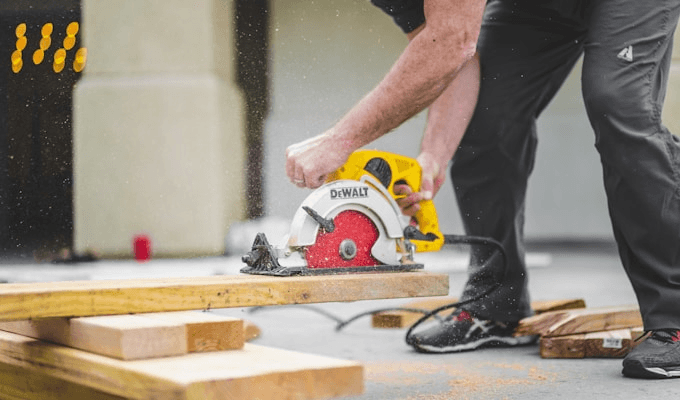
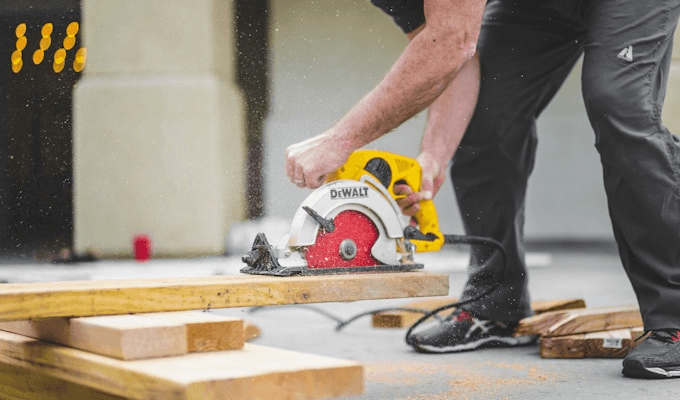
When you're standing in your workshop with a pile of lumber waiting to be cut, the last thing you want is to be tethered to an extension cord.
Current recommendations are research-backed. Each article identifies its evidence, sources, update date, and limitations. No current guide is presented as hands-on tested. As an Amazon Associate, ToolShed Tested earns from qualifying purchases. When you buy through our links we may earn a commission -- at no extra cost to you. Product links and article details last reviewed June 5, 2026. Full disclosure.
When you're standing in your workshop with a pile of lumber waiting to be cut, the last thing you want is to be tethered to an extension cord. Cordless circular saws have become essential tools for DIY enthusiasts and professional contractors alike, offering genuine freedom and portability that corded models simply can't match. The real question for many users isn't whether to go cordless—it's whether you can find a quality cordless circular saw that won't drain your wallet.
The good news is that finding a capable cordless circular saw under $150 is absolutely possible. The market has evolved significantly, and several manufacturers now offer solid performers in this price range that can handle real job-site demands. Whether you're framing decks, ripping hardwood, or making crosscuts for a weekend project, there are legitimate options available that won't compromise on power or reliability.
This guide cuts through the noise to help you understand what makes a cordless circular saw work, what features matter for your budget, and which models deserve your hard-earned money.
Before diving into specific models, it's important to understand what specifications actually matter when you're comparing cordless circular saws under $150. Not every advertised feature translates to real-world cutting performance, and some specifications are simply marketing noise.
Blade diameter is typically 5.5 to 7.25 inches for cordless models. Larger blades cut deeper—a 7.25-inch blade maxes out at roughly 2.5 inches deep, while a 5.5-inch blade tops out around 1.75 inches. For general woodworking and framing, 6-inch blades offer a good balance between power draw and cutting capacity.
RPM (revolutions per minute) directly affects cut speed and finish quality. Most cordless circular saws in this price range operate between 3,000 and 5,000 RPM. Higher RPM means faster cutting and smoother edges, particularly on hardwood, but it also demands more from your battery.
Battery compatibility matters more than you might think. If you already own tools from DeWalt, Makita, or Milwaukee, choosing a saw that shares battery platform makes financial sense—you can share batteries across multiple tools, which adds up to real savings over time.
Bevel capacity typically runs from 0 to 50 degrees on budget models. This allows angled cuts for roofing work and other specialized applications. Most homeowners and DIYers won't use bevel cuts frequently, but it's nice to have the capability.
The weight of a cordless circular saw affects fatigue during extended use. Models under $150 typically weigh 6 to 8 pounds, which is manageable for most users, though anything under 7 pounds is preferable for overhead or repetitive cutting work.
Best Features to Prioritize on a Budget
When you're shopping in the under-$150 range, you need to make smart decisions about which features justify the cost and which are nice-to-haves that don't contribute to actual cutting performance.
Laser guides are genuinely helpful for straight cuts, especially if you're not experienced at following a pencil line. However, they require setup and battery power, and they can be finicky in bright sunlight. A quality fence and good lighting are often more reliable.
Electric brakes bring the blade to a stop within seconds of releasing the trigger. This is genuinely valuable for safety and is worth prioritizing. It reduces the risk of kickback incidents and prevents accidental contact with a coasting blade.
Dust collection ports with vacuum attachment capability keep your sight lines clear and reduce cleanup afterward. Many saws in this price range include basic dust ports, though collection efficiency varies.
LED work lights are more common on budget models than you'd expect, and they're genuinely useful for shadow elimination when cutting in shop or job-site lighting.
Skip the advanced features like wireless battery fuel indicators and Bluetooth connectivity if you're trying to stay under $150. These conveniences don't cut wood any faster or cleaner, and they add cost you don't need to spend.
Top Cordless Circular Saw Recommendations Under $150
DeWalt 20V Compact Circular Saw
DeWalt's entry-level cordless circular saws consistently deliver value in the budget segment. The 20V DCS391D2 model typically runs right around or just under the $150 mark with batteries included. This saw features a 6.5-inch blade, 3,000 RPM speed, and includes two 20V lithium-ion batteries and a charger.
The reality with DeWalt budget circulars saws is that they're lightweight and straightforward. At 6.2 pounds, this model won't exhaust you during extended use. The electric brake stops the blade quickly, and the compact design makes it genuinely portable. The main trade-off is that the motor is less powerful than professional-grade models, so if you're ripping thick hardwood all day, you'll notice the blade slowing under load more than you would with a premium saw.
However, for typical DIY tasks—cutting pressure-treated lumber, crosscutting plywood, and basic framing work—this saw handles the job capably. The 20V battery platform also means you can share batteries with other DeWalt 20V tools if you already own any, which could save you significant money on additional batteries.
Makita 18V Cordless Circular Saw
Makita's budget offering, the 18V model SH01Z (sold without batteries, so budget accordingly if you don't own Makita batteries), brings a different philosophy to the under-$150 space. It's engineered around compactness and is the lightest full-featured circular saw in this category at just 5.9 pounds.
The 5.5-inch blade size limits depth of cut compared to larger models, but this can actually be an advantage if you're doing frequent repetitive cuts in panel material or composite siding. The weight savings are genuinely noticeable if you're working overhead or making vertical cuts. Makita's reputation for reliable motors is well-earned, and this saw maintains the brand's characteristic durability even at the budget price point.
The trade-off is the smaller blade size, which means you're limited to approximately 1.75 inches of depth. This is fine for plywood and most dimension lumber, but if you regularly need to crosscut 2x10s or thicker boards, you'll find this limiting.
Black+Decker 20V Cordless Circular Saw
When budget is paramount, Black+Decker's 20V circular saw options offer genuine value for light-duty applications. These saws typically retail well under $100, sometimes around its current retailer price which leaves room in a $150 budget to add accessories or extra batteries if needed.
The 5.5-inch blade and 2,500-3,000 RPM speed are adequate for crosscutting and general woodworking. These saws are robust for plywood work and light framing, though they'll struggle with thick hardwood or extended ripping tasks. The electric brake is standard on most models, and the dust port works acceptably with a shop vacuum.
The advantage of Black+Decker in this context is price flexibility. If you have other 20V Black+Decker power tools, you can consolidate your battery system. If you don't, the lower price means you can invest the savings in a quality blade, which will improve cut quality regardless of which saw you choose.
Milwaukee M18 Compact Circular Saw
Milwaukee's entry-level M18 compact circular saw occasionally dips under $150 when sold as a bare tool, though you'll typically need to budget for batteries separately. The saw itself weighs just under 7 pounds and features a 6.5-inch blade running at 3,600 RPM.
Milwaukee tools tend toward aggressive engineering, and this saw reflects that philosophy. The motor is relatively powerful for its size, meaning it maintains better blade speed under load compared to some competitors in this price range. The bevel adjustment is smooth and reliable, and the shoe (base plate) is solid aluminum, which resists warping over time.
The M18 battery platform is widely available and reasonably priced, making this a reasonable choice if you're already invested in the Milwaukee ecosystem. If not, the cost of batteries adds to the total investment.
Matching Your Saw to Your Project Type
Choosing the right saw under $150 requires honest self-assessment of what you'll actually cut. Don't buy based on capability you won't use—that's just wasting money.
If your primary work involves crosscutting dimensional lumber for deck building, framing, or general construction, any of the 6-inch or larger saws discussed here will serve you well. A basic model from DeWalt or Makita offers everything you need.
If you're cutting panel materials, composite siding, or hardwood flooring, prioritize blade speed (RPM) and smooth operation over raw cutting depth. The lighter-weight Makita 5.5-inch model actually excels at this work despite its smaller size.
For ripping work—cutting wood lengthwise—you're pushing the saw harder, and cordless models under $150 will show their limitations. You'll need to take your time, let the blade do the work, and potentially make multiple passes rather than forcing through thick stock. Budget models are capable, but they're not ideal for heavy ripping.
If your projects are primarily creative woodworking on the bench, precision furniture building, or intricate detail work, consider that cordless circular saws aren't precision instruments. They're designed for speed and portability, not fine craftsmanship. You might be better served by a quality corded saw or investing in a band saw for detail work.
Blade Selection and Maintenance
The blade matters as much as the saw itself. Budget cordless saws often ship with basic blades that prioritize speed over finish quality. Investing in a quality blade—look for options like Freud or DEWALT's premium blades—costs $15-$25 but will improve your cut quality noticeably.
For general construction, choose a carbide-tipped blade with 24 teeth. For crosscutting, 60 teeth produces a cleaner edge. For ripping, 24 teeth cuts faster with less strain on the motor. Specialty blades for composite materials, non-ferrous metals, or plunge cutting are available if your projects demand them, but stick with general-purpose blades until you've worn out the basics.
Keep your blade clean and sharp. Resin and pitch buildup forces the motor to work harder and reduces battery runtime. Most hardware stores offer blade sharpening services at the current retailer price which often costs less than replacing a blade that simply needs cleaning and sharpening.
Store your blade in a protective case, and always make sure the blade has stopped completely before setting the saw down or leaving the work area. The electric brake on these saws is effective, but establishing good habits prevents accidents.
Battery Considerations and Long-Term Value
The battery is part of your overall investment. Most saws in the under-$150 range include batteries, but monitor the amp-hour (Ah) rating. A 1.5Ah battery provides shorter runtime than a 2.0Ah unit. If you'll be making extended cuts or working on larger projects, a second battery of higher capacity becomes worthwhile.
Lithium-ion batteries lose capacity over time, especially if stored improperly or allowed to fully discharge repeatedly. Store batteries in a cool, dry location with partial charge rather than fully charged or dead. Most manufacturers offer replacement batteries in the $40-$60