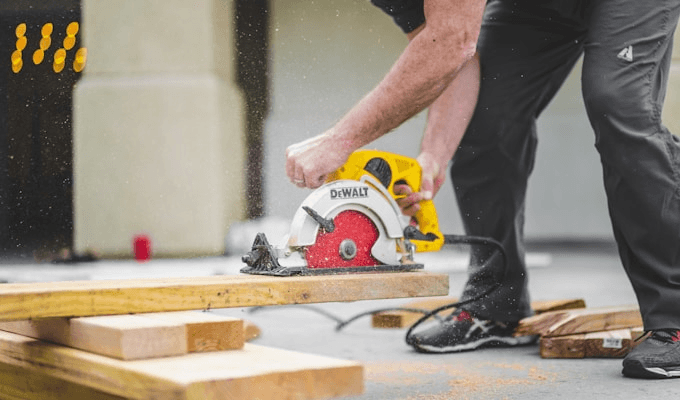
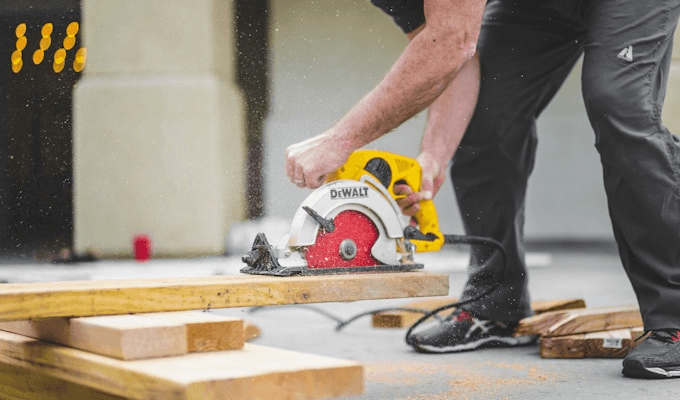
Unlike construction sites where dust settles relatively quickly, woodshop dust remains suspended in the air—infiltrating your lungs with fine particles that accumulate over time.
Current recommendations are research-backed. Each article identifies its evidence, sources, update date, and limitations. No current guide is presented as hands-on tested. As an Amazon Associate, ToolShed Tested earns from qualifying purchases. When you buy through our links we may earn a commission -- at no extra cost to you. Product links and article details last reviewed August 11, 2026. Full disclosure.
Woodworking generates some of the most persistent and harmful dust in any workshop setting. Unlike construction sites where dust settles relatively quickly, woodshop dust remains suspended in the air—infiltrating your lungs with fine particles that accumulate over time. Whether you're sanding hardwood, routing softwood, or cutting MDF, protecting your respiratory system isn't optional; it's essential for your long-term health and work quality.
Choosing the right respirator for woodworking dust requires understanding the different types available, their filtration capabilities, and how they fit your specific workshop environment. This guide walks you through everything you need to know to make an informed decision.
Understanding Woodworking Dust and Respiratory Hazards
Before selecting a respirator, it's worth understanding exactly what you're protecting yourself against. Woodworking produces two main categories of dust: coarse particles from sawing and planing, and fine particles from sanding operations.
Coarse dust is more visible and tends to settle on surfaces, but fine dust—particles smaller than 2.5 microns—poses the greater respiratory threat. These particles bypass your body's natural defense mechanisms and lodge deep in the lungs where they can trigger chronic inflammation, allergies, and in some cases, contribute to serious respiratory conditions.
Different wood types also present different hazards. Hardwoods like oak and walnut generate more consistent particulate matter, while softwoods like pine produce stickier, more adhesive dust. Exotic woods carry additional risks—some species are documented respiratory sensitizers. MDF and plywood create extremely fine particles that require higher-grade filtration.
The accumulation effect matters too. Even brief exposures to unfiltered dust, repeated daily over months and years, create a substantial health burden. That's why consistent respirator use—even when you're only planning a "quick" ten-minute sanding session—is critical.
Half-Mask Respirators vs. Full-Face Respirators
The respirator market divides into two primary designs, each with distinct advantages for woodworking applications.
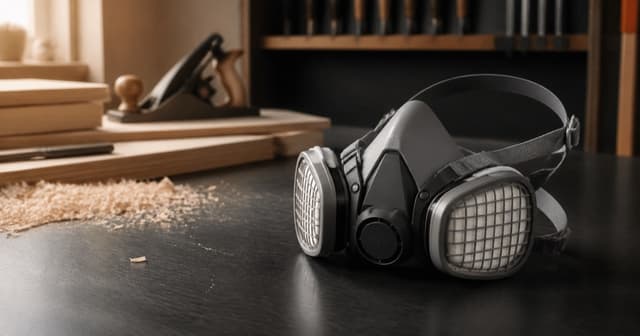
Half-mask respirators cover only the nose and mouth. They're lightweight, affordable, and suitable for most standard woodworking tasks. They allow better visibility and tool access, making them practical for detailed work like furniture assembly or inlay. Half-masks work well in situations where dust concentrations remain moderate and extended wear periods aren't required.
The downside is limited facial coverage. Your eyes face unprotected exposure to dust and debris, which matters when routing or cutting on table saws. Half-masks also rely entirely on achieving a proper seal, which becomes difficult for people with facial hair or unusual face shapes.
Full-face respirators provide complete eye, nose, and mouth protection behind a single polycarbonate shield. They're superior for heavy sanding operations, routing work, and extended workshop sessions. The larger surface area makes it easier to achieve a consistent seal, and the integrated eye protection eliminates the need for separate safety glasses.
Full-face models weigh more and can fog in humid conditions, though anti-fog treatments help. They cost more upfront but provide superior protection in dusty environments and offer better long-term comfort during extended use.
For most serious woodworkers, a full-face respirator represents the better investment despite higher initial cost.
Cartridge and Filter Types for Dust Protection
Respirator effectiveness depends almost entirely on the filters or cartridges you use. For woodworking dust specifically, you need filters rated for particulate matter, not chemical vapors.
Particulate cartridges (often called dust cartridges) come in different efficiency ratings. The most common are P100 filters, which capture 99.97% of airborne particles 0.3 microns and larger. This rating is appropriate for virtually all woodworking dust scenarios—sanding, routing, sawing, and work with treated lumber or composite materials.
Some workers use N95 masks, which are considerably cheaper. While N95 masks do filter particles, they're not reusable, their seal is less reliable than cartridge-based respirators, and they're designed for lighter-duty applications. For regular workshop use, a proper half-mask or full-face respirator with replaceable cartridges offers far better long-term value and protection.
Combination cartridges contain both particulate and chemical filters. These are useful if your workshop also involves finishing with stains, paints, or solvents, but they're overkill for dust-only protection and cost more than basic particulate cartridges.
The key to effective filtration is cartridge replacement. Most manufacturers recommend replacement after 40-80 hours of use, though this varies with dust load and humidity. Some cartridges include indicator systems that signal when replacement is needed. Regardless, you should replace cartridges before their official end-of-life date if you notice breathing resistance increasing.
Top Respirator Options for Woodworking
When researching specific models, you'll encounter respirators at various price points and comfort levels.
The 3M 6800 Full Facepiece Respirator represents the workhorse choice for serious woodworking operations. It's a robust full-face design that creates an excellent seal and provides superior eye protection. The large viewing area helps with detailed work, and it's compatible with 3M's entire cartridge line. It's not the most affordable option, but it offers genuine durability and has earned its reputation in professional shops.
For those seeking better value, the MSA Advantage 420 Half-Mask Respirator delivers solid protection at a lower price point. The twin-cartridge design provides good airflow, and the adjustable head harness accommodates different face shapes reasonably well. It's ideal for hobbyists and part-time woodworkers who want reliable protection without the full-face investment. The main limitation is that it doesn't protect your eyes, so you'll still need safety glasses.
If budget is your primary concern, the Moldex 7500 Series Half-Mask Respirator offers legitimate protection at an entry-level price. Moldex is known for making filters more affordable than 3M, so while the respirator itself costs less, your long-term consumable costs remain reasonable. It works well for light to moderate woodworking tasks and is a solid choice if you're still building your safety equipment collection.
For workshop environments where you're regularly switching between dust work and finishing tasks, the 3M 7800 Series Full-Face Respirator with Combination Cartridges provides flexibility. The combination filters handle both particulate dust and solvent vapors, making it versatile across multiple workshop activities. It costs more than dust-only systems, but if your shop encompasses multiple processes, the single-respirator approach simplifies inventory and decision-making.
Fit Testing and Seal Verification
A respirator's protection depends entirely on fit. Even the most expensive, highest-rated respirator fails if it doesn't seal properly against your face.
Before committing to a respirator, test the fit with the specific model you're considering. OSHA guidelines recommend both positive and negative pressure fit tests. The negative pressure test involves breathing in gently with the cartridges covered—you should feel slight suction rather than air leakage. The positive pressure test involves breathing out and feeling slight pressure against your face.
Many people are surprised to learn that facial hair defeats respirator seals. If you wear a beard or mustache, you'll need either a clean-shaven face or a full-face helmet-style system that doesn't rely on facial contact for sealing.
Head harness design matters too. Straps that are too loose won't seal; straps that are too tight become uncomfortable during extended use and may actually compromise the seal by creating pressure points that break contact. Most quality respirators include multiple strap positions to accommodate different head sizes.
Don't assume you'll know the fit until you've actually worn the respirator in your workshop. Comfort during a brief try-on differs significantly from comfort during a two-hour sanding session.
Maintenance and Replacement Schedules
Proper respirator maintenance extends equipment life and ensures ongoing protection.
After each use, remove cartridges if you won't be using the respirator within a few days. Cartridges absorb moisture from the air, and prolonged exposure to humid workshop conditions can reduce their effectiveness. Store cartridges in sealed plastic bags or containers to maintain their filtration capability.
The face piece itself should be cleaned regularly. Most manufacturers recommend washing with mild soap and water, then air drying completely before reuse. Avoid harsh chemicals that can degrade the rubber or silicone face seal.
Replace cartridges on a schedule rather than waiting until you feel resistance. Most users won't notice the filter degrading until it's already significantly compromised. Mark your calendar for cartridge replacement or choose models with color-change cartridges that visually indicate saturation.
Every 12 months, inspect the face piece for cracks, hardening of the rubber or silicone, and deterioration of the head harness straps. Even stored respirators degrade over time. If you notice any damage, replace the face piece rather than risk incomplete sealing.
Making Your Choice: Key Considerations
Selecting the best respirator for your workshop comes down to balancing several factors.
Frequency of use: Hobbyists doing monthly projects can manage with an entry-level half-mask. Full-time woodworkers or shop owners planning daily use benefit from the superior protection and comfort of a full-face respirator.
Types of work: Primarily sanding? A particulate-focused half-mask is sufficient. Mixed finishing and woodworking? Combination cartridges make sense. Extended routing or table saw work? Full-face protection protects your eyes while you're concentrating on the task.
Workshop environment: Small enclosed shops with limited ventilation require higher-grade protection than large, well-ventilated spaces. If your shop has dust collection, you might manage with lighter protection.
Budget constraints: Initial cost versus replacement cartridge costs matters. A cheap respirator with expensive cartridges may cost more over time than investing in a quality initial system.
Personal fit and comfort: The best respirator is the one you'll actually wear consistently. If a full-face model leaves you with pressure headaches, you'll skip it in favor of less protection. Honest fit testing during the selection process prevents frustration later.
Conclusion: Your Respiratory Health Matters
The best respirator for woodworking dust is the one that matches your specific workshop needs, maintains a proper seal on your face, and supports consistent use without discomfort. Whether you choose a half-mask particulate respirator for occasional shop sessions or invest in a full-face system for professional-level protection, the key is selecting genuine respiratory protection rather than relying on inadequate alternatives like bandanas or surgical masks.
Quality respirators from manufacturers like 3M, MSA, and Moldex remain affordable compared to the long-term health costs of respiratory damage. Pair your respirator choice with proper dust collection, regular cartridge replacement, and fit testing, and you'll create a genuinely protective workshop environment. Your lungs will thank you for decades of woodworking to come.