Affiliate Disclosure: Toolshed Tested is reader-supported. When you buy through links on our site, we may earn an affiliate commission at no extra cost to you.
Power Tool Comparisons: Head-to-Head Reviews
“Which one should I buy?” is the most common question in power tools. You’ve narrowed your choice to two brands, two models, or two technologies — and now you need someone to break the tie.
That’s what this page is for. We put tools and brands head-to-head with controlled tests, side-by-side specifications, and honest opinions about who each tool is actually for. No brand loyalty, no sponsorship bias — just data and experience from hundreds of hours of workshop testing.
Browse our comparisons below, or jump to the category that matches your decision.
Table of Contents
- Brand vs Brand Comparisons
- Battery Ecosystem Breakdown
- Technology Comparisons
- Tool Type Comparisons
- Electric vs Gas (Outdoor)
- Price Tier Comparisons
- How We Compare Tools
- FAQ
Brand vs Brand Comparisons
These are our most popular articles. When two brands compete for the same buyer, we test their flagship tools side by side and declare a winner for each use case.
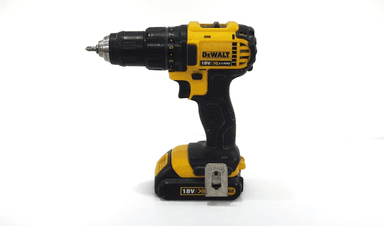
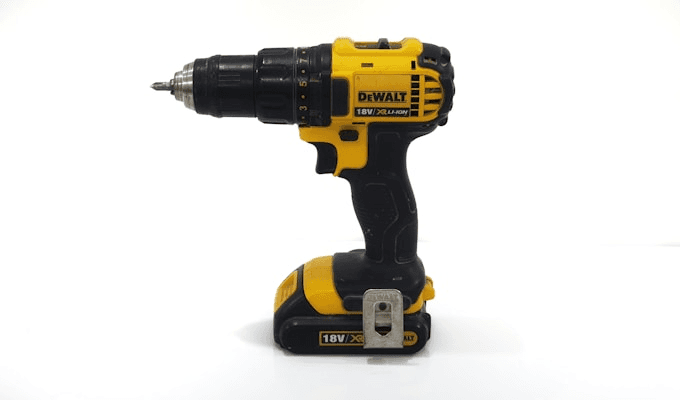
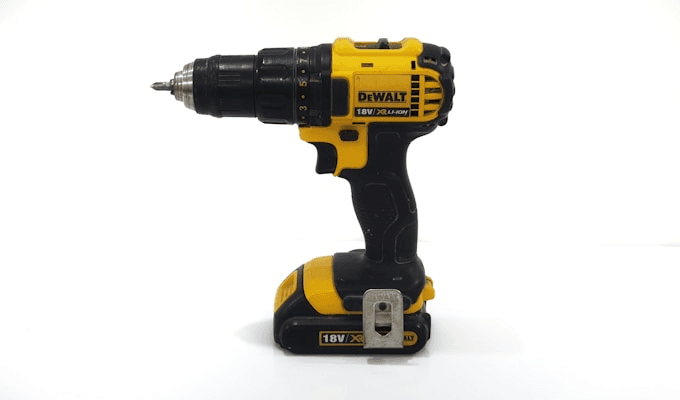
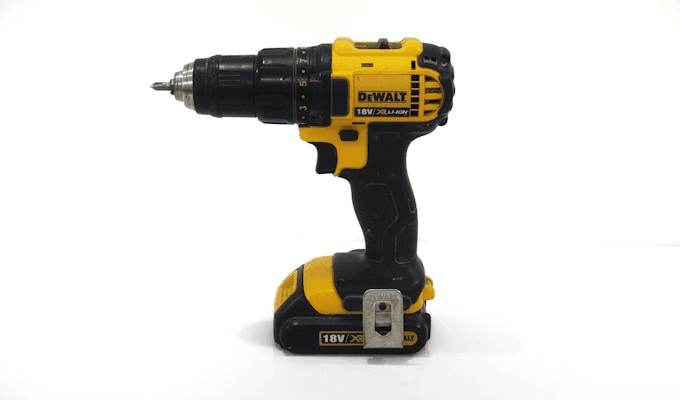
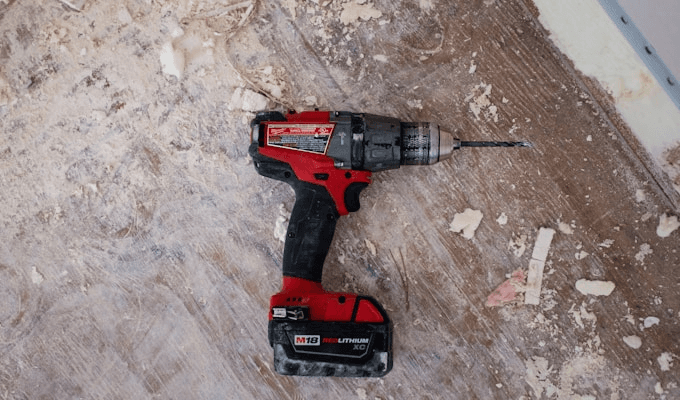
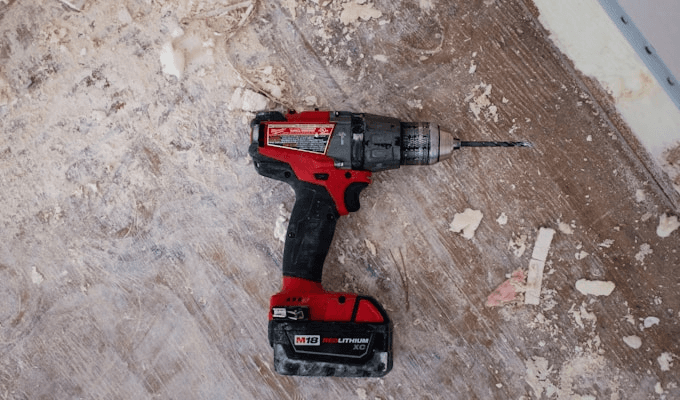
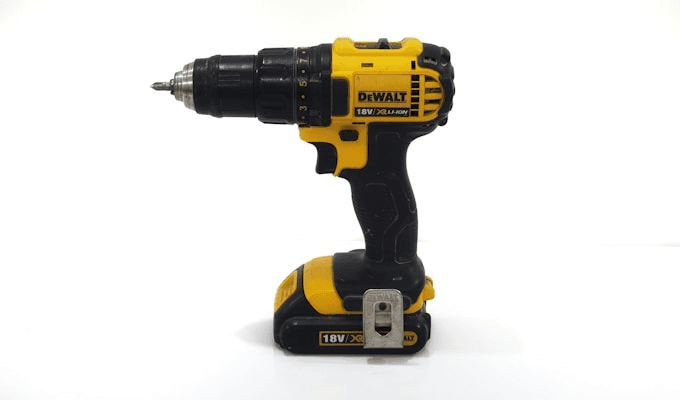
Milwaukee vs DeWalt: The Complete 2026 Comparison
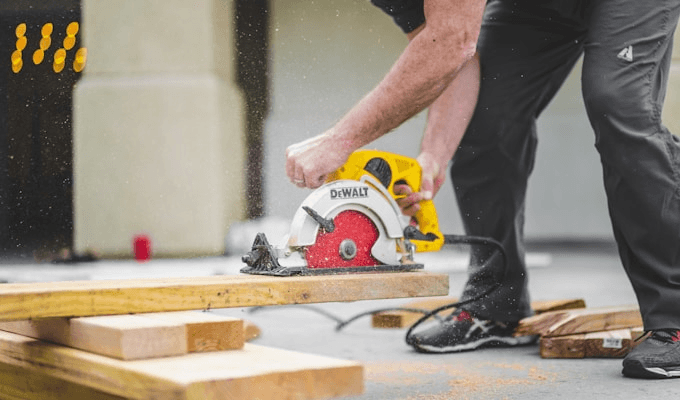
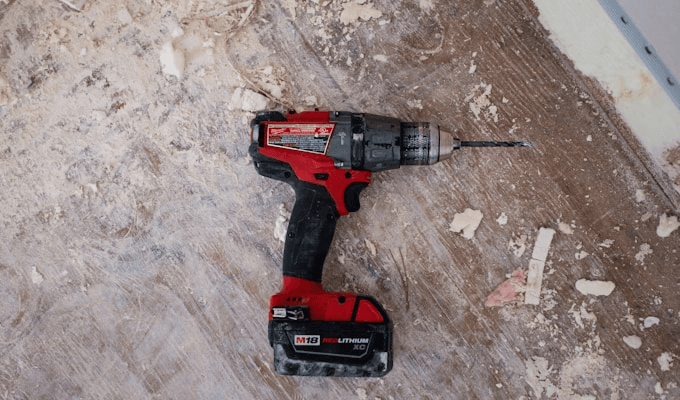
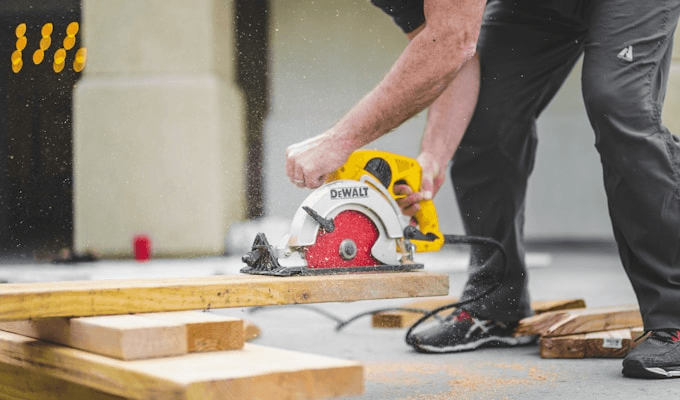
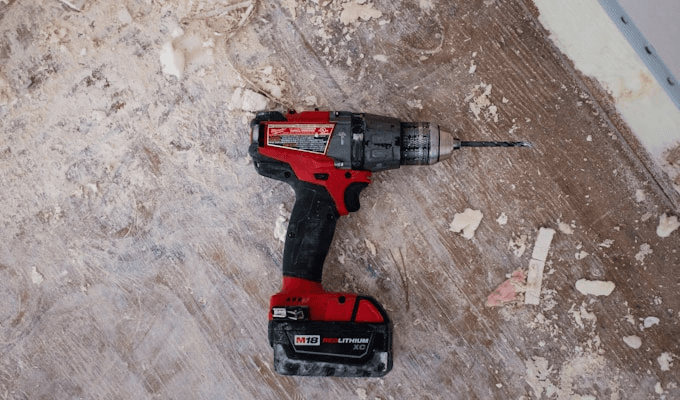
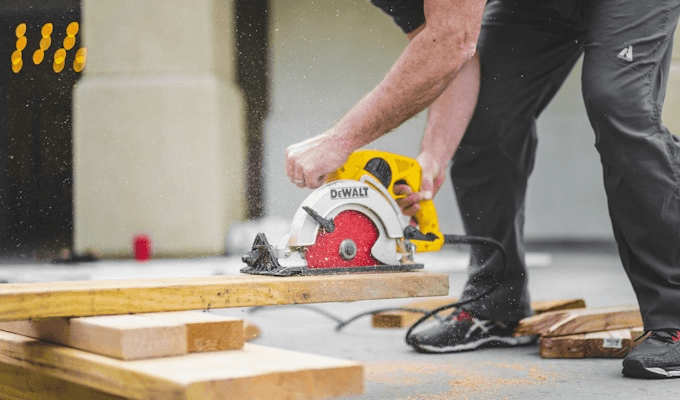
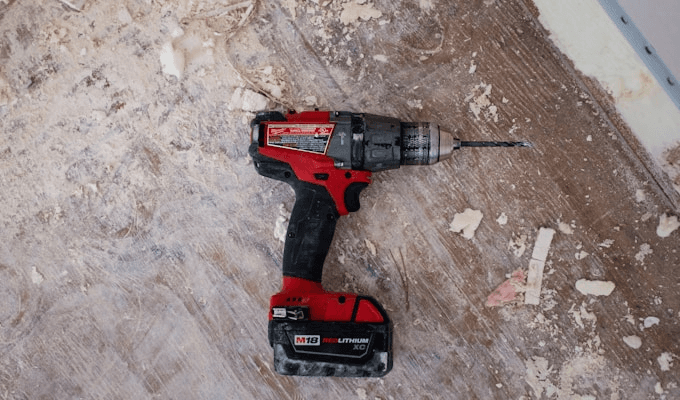
The biggest rivalry in power tools. Milwaukee M18 FUEL vs DeWalt 20V MAX XR across drills, impact drivers, circular saws, and more.
Quick verdict: Milwaukee wins on raw performance and trades-specific tools. DeWalt wins on value, platform flexibility (FLEXVOLT), and broader availability. Both are excellent — your choice depends on whether you prioritize peak performance or versatility.
| Category | Milwaukee M18 FUEL | DeWalt 20V MAX XR |
|---|---|---|
| Drill Torque | 1,400 in-lbs | 1,200 in-lbs |
| Impact Driver Torque | 2,000 ft-lbs | 1,825 ft-lbs |
| Battery Ecosystem | 280+ tools | 300+ tools |
| High-Voltage Option | MX FUEL (separate) | FLEXVOLT (shared) |
| Price (avg per tool) | $$$$ | $$$ |
| Warranty | 5-year tool | 3-year tool |
| Best For | Trades pros | Contractors & serious DIY |
Shop Milwaukee M18 FUEL on Amazon
Shop DeWalt 20V MAX XR on Amazon
Milwaukee vs Makita: Performance vs Precision
Milwaukee dominates in raw power and trades tools. Makita leads in ergonomics, vibration dampening, and woodworking refinement.
Quick verdict: Milwaukee for electricians, plumbers, and HVAC techs. Makita for woodworkers, cabinet makers, and anyone who values how a tool feels in hand over sheer brute force.
| Category | Milwaukee M18 FUEL | Makita 18V LXT |
|---|---|---|
| Motor Technology | POWERSTATE brushless | BL brushless |
| Ergonomics Rating | 8/10 | 9.5/10 |
| Vibration Level | Average | Industry-leading low |
| Tool Weight (avg) | Heavier | Lighter |
| Battery Life (5Ah) | Good | Excellent |
| Smart Features | ONE-KEY Bluetooth | None |
| Price | $$$$ | $$$ |
| Best For | Trades | Woodworking |
Ryobi vs Craftsman: Budget Brand Showdown
Both target homeowners and budget buyers. Ryobi’s ONE+ ecosystem at Home Depot vs Craftsman’s V20 system at Lowe’s.
Quick verdict: Ryobi wins on ecosystem size (300+ tools including specialty items), brushless options (ONE+ HP line), and overall tool variety. Craftsman wins on basic hand tools and nostalgic brand trust. For cordless power tools specifically, Ryobi is the stronger choice in 2026.
| Category | Ryobi ONE+ | Craftsman V20 |
|---|---|---|
| Tool Count | 300+ | 150+ |
| Brushless Line | ONE+ HP (growing) | Limited |
| Price Range | $49-$199 | $49-$179 |
| Exclusive Retailer | Home Depot | Lowe’s |
| Specialty Tools | Extensive (glue gun, inflator, etc.) | Limited |
| Battery Compatibility | All ONE+ since 1996 | V20 only |
| Best For | DIY homeowners | Basic home repair |
Upcoming Brand Comparisons
We’re currently testing and writing these matchups:
- DeWalt vs Makita — The contractor vs woodworker showdown
- Ridgid vs Ryobi — Home Depot’s mid-range vs budget platforms
- Milwaukee vs Hilti — Professional trades comparison
- Festool vs Makita — Premium vs mainstream woodworking tools
- EGO vs Ryobi 40V — Outdoor tool platform battle
- Stihl vs Husqvarna — Gas outdoor tool heavyweight fight
- Hart vs Ryobi — Walmart vs Home Depot budget tools
Battery Ecosystem Breakdown
Choosing a battery platform is a long-term investment. These comparisons help you understand what you’re committing to.
The Big Four Platforms Compared
| Platform | Voltage | Tool Count | Brushless? | High-Voltage | Price/Battery (5Ah) |
|---|---|---|---|---|---|
| DeWalt 20V MAX | 20V (18V nominal) | 300+ | XR line | 60V FLEXVOLT | $80-$100 |
| Milwaukee M18 | 18V | 280+ | FUEL line | MX FUEL (separate) | $80-$110 |
| Makita LXT | 18V | 300+ | Most new tools | 40V XGT (separate) | $70-$90 |
| Ryobi ONE+ | 18V | 300+ | HP line | 40V (outdoor separate) | $50-$70 |
What “20V MAX” Really Means
DeWalt markets their platform as “20V MAX” but the nominal voltage is 18V — identical to Milwaukee and Makita. The “20V” figure is the peak voltage of a fully charged lithium-ion cell. All four major platforms use the same cell technology and operate at functionally the same voltage. Don’t let marketing numbers influence your buying decision.
Battery Cross-Compatibility
Within a brand: Generally excellent. A DeWalt 20V battery from 2014 works in a 2026 DeWalt tool (and vice versa). Same for Milwaukee M18, Makita LXT, and Ryobi ONE+. This backward compatibility is a major selling point of all four platforms.
Between brands: Not compatible without third-party adapters. Battery adapters exist (Milwaukee to DeWalt, etc.) but void warranties and can cause issues. We don’t recommend them.
Outdoor crossover:
– DeWalt 20V batteries work in DeWalt outdoor tools (seamless)
– Milwaukee M18 batteries work in Milwaukee outdoor tools (seamless)
– Makita LXT batteries work in Makita outdoor tools via adapter on some models
– Ryobi ONE+ 18V does NOT cross with Ryobi 40V outdoor (separate platforms)
Technology Comparisons
Brushless vs Brushed Motors: Is the Upgrade Worth It?
The most common upgrade question. Brushless motors cost more but deliver 25-50% longer battery life, 10-30% more power, less heat generation, and dramatically longer motor life (no brushes to wear out).
Quick verdict: In 2026, brushless is worth the premium for any tool you’ll use more than a few times a year. The price gap has narrowed to $20-$50, and the performance difference is real and measurable.
| Metric | Brushed Motor | Brushless Motor |
|---|---|---|
| Battery Life | Baseline | 25-50% longer |
| Power Output | Good | 10-30% more |
| Heat Generation | Higher | Lower |
| Motor Lifespan | 1,000-3,000 hours | 5,000-10,000+ hours |
| Maintenance | Brush replacement | None |
| Price Premium | — | +$20-$50 |
| Weight | Slightly heavier | Slightly lighter |
Corded vs Cordless Power Tools: The 2026 Reality
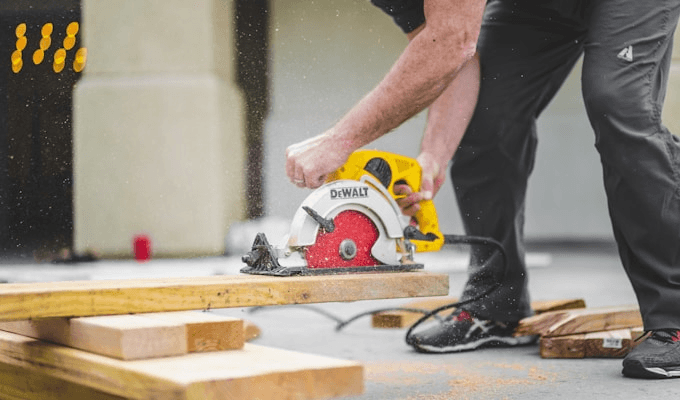
The corded vs cordless debate is essentially over for most tool categories. Cordless wins for portability, convenience, and safety (no cord to trip over or cut). Corded wins only where sustained maximum power is needed for extended periods.
Where cordless wins clearly (2026):
– Drills and impact drivers (no contest)
– Circular saws (brushless models match corded)
– Reciprocating saws
– Oscillating multi-tools
– Sanders (random orbital)
– Nailers (cordless is actually better — no compressor)
– Angle grinders (for intermittent use)
Where corded still has an edge:
– Table saws (corded standard, cordless exists but limited)
– Miter saws 12″ (corded preferred for sustained cuts)
– Routers (sustained high RPM draws heavy current)
– Planers (continuous heavy load)
– Belt sanders (sustained high-draw operation)
– Shop vacs and dust collectors (always plugged in anyway)
Tool Type Comparisons
Side-by-side comparisons between related tools that serve different purposes.
Angle Grinder vs Die Grinder
Both grind, but they’re built for different jobs. Angle grinders handle large-surface work (cutting, grinding welds, removing rust). Die grinders handle detail work (porting, engraving, deburring).
Quick verdict: Buy an angle grinder first — it’s more versatile. Add a die grinder when you need precision grinding in tight spaces.
| Feature | Angle Grinder | Die Grinder |
|---|---|---|
| Disc/Bit Size | 4.5″-9″ | 1/4″ or 1/8″ collet |
| RPM | 8,000-12,000 | 20,000-30,000 |
| Primary Use | Cutting, grinding | Detail work, porting |
| Weight | 4-8 lbs | 1-3 lbs |
| Best For | Metal fabrication | Precision metalwork |
Random Orbital Sander vs Sheet Sander
Random orbital sanders prevent swirl marks and work on curves. Sheet sanders are cheaper and get into corners. Which do you need?
Quick verdict: A random orbital sander is the right first sander for 90% of users. Add a detail/sheet sander later for corners and flat-surface work.
More Tool Type Comparisons (Coming Soon)
- Miter Saw vs Table Saw — Which to buy first for a woodworking shop
- Brad Nailer vs Finish Nailer — Choosing the right gauge for your trim
- Circular Saw vs Track Saw — Portable cutting precision compared
- Band Saw vs Scroll Saw — Curved cuts at different scales
- Impact Driver vs Impact Wrench — Rotational fastening at different scales
- Belt Sander vs Random Orbital Sander — Aggressive removal vs finish quality
- Single-Stage vs Two-Stage Snow Blower — Matching power to snowfall
- Reciprocating Saw vs Oscillating Tool — Choosing the right demolition companion
Electric vs Gas (Outdoor)
The outdoor power tool market is where electric vs gas comparisons matter most.
Where Electric Wins in 2026
| Tool | Why Electric Wins | Recommended |
|---|---|---|
| Walk-behind mowers (< 1/2 acre) | Ample runtime, zero maintenance | Best Battery Mowers |
| String trimmers | Lighter, quieter, equal power | Best String Trimmers |
| Handheld leaf blowers | 600+ CFM matches gas | Best Cordless Blowers |
| Hedge trimmers | Much lighter for overhead work | Best Cordless Hedge Trimmers |
| Pressure washers (residential) | No winterization, instant start | Best Electric Pressure Washers |
| Chainsaws (homeowner) | No fuel mixing, instant start | Best Battery Chainsaws |
Where Gas Still Leads
| Tool | Why Gas Leads | Recommended |
|---|---|---|
| Riding mowers (1+ acre) | All-day runtime | Best Riding Mowers |
| Professional chainsaws | Sustained power, all-day use | Best Chainsaws |
| Backpack blowers | Higher CFM for commercial use | Best Leaf Blowers |
| Two-stage snow blowers | Heavy snow demands | Best Snow Blowers |
| Commercial pressure washers | 3,000+ PSI sustained | Best Pressure Washers |
Read more: Best Outdoor Power Tools: Complete Guide
Price Tier Comparisons
Budget ($50-$100 per tool)
Best options at this price: Ryobi ONE+ HP, Hart 20V, and select Craftsman V20 tools. Our Best Power Tools Under $100 guide covers the standouts.
Mid-Range ($100-$200 per tool)
The sweet spot for most buyers. DeWalt 20V MAX, Makita 18V LXT, and Ridgid 18V all deliver professional-quality tools at accessible prices.
Professional ($200-$400 per tool)
Milwaukee M18 FUEL, DeWalt 20V MAX XR, and Makita XGT dominate here. These tools are built for daily professional use and backed by the best warranties.
Premium ($400+ per tool)
Festool, Mafell, and Hilti serve the high end. These brands cater to professionals who demand the absolute best precision, dust extraction, and build quality — and are willing to pay for it.
How We Compare Tools
Our comparison methodology:
1. Spec-for-spec analysis: We compile every relevant specification and normalize the data for fair comparison. A “2,000 in-lb” torque rating means nothing without context — we test actual fastening performance.
2. Controlled testing: Same material, same fasteners, same conditions. When we test drill/drivers, every model drills the same holes in the same hardwood blank. When we test circular saws, every model cuts the same stack of 2x4s.
3. Ergonomic evaluation: Weight, balance, grip comfort, vibration level, noise, and trigger feel. These subjective factors matter enormously during a full day of use.
4. Value calculation: We factor in tool price, battery cost (if not included), accessory availability, warranty terms, and expected lifespan. The cheapest tool isn’t always the best value.
5. Real-world context: Lab tests matter, but so does job-site reality. We consider battery compatibility with existing tools, availability of replacement parts, and brand service reputation.
Supporting Articles & Guides
All Comparison Articles
- Milwaukee vs DeWalt
- Milwaukee vs Makita
- Ryobi vs Craftsman
- Brushless vs Brushed Motors
- Corded vs Cordless Power Tools
- Angle Grinder vs Die Grinder
- Random Orbital Sander vs Sheet Sander
Related Pillar Guides
- The Complete Power Tool Guide 2026
- Best Outdoor Power Tools 2026
- How to Build the Ultimate Workshop
- Power Tool Buying Guides Hub
Frequently Asked Questions
Is Milwaukee really better than DeWalt?
In raw performance metrics — torque, speed, and cutting power — Milwaukee M18 FUEL edges out DeWalt 20V MAX XR in most categories. But “better” depends on context. DeWalt’s FLEXVOLT battery system (20V/60V dual-voltage) offers more flexibility than Milwaukee’s separate MX FUEL line. DeWalt tools are typically $20-$50 less per tool. And DeWalt’s ecosystem is slightly larger. For most users, either brand is excellent — the differences are marginal.
Should I switch battery platforms?
Only if you’re deeply unhappy with your current tools AND you’re planning a major expansion. Switching means your existing batteries, chargers, and bare tools lose much of their value. The cost of switching from a full Milwaukee kit to a full DeWalt kit can easily exceed $1,000. If you only own a drill and impact driver, switching is cheap. If you own 10+ tools, it rarely makes financial sense.
Does brand matter more than individual tool quality?
Individual tool quality matters more. Every brand has standout tools and weak spots. Milwaukee makes the best impact wrench; Makita makes the best sander; DeWalt makes the best thickness planer; Ryobi makes the best budget nailer. The brand consistency argument matters most when you’re buying a full ecosystem for battery compatibility — but within that ecosystem, some tools will be better than others.
Are tool comparison videos on YouTube trustworthy?
Some are excellent; many are not. Watch for: (1) Controlled testing conditions (same material, measured results). (2) Disclosure of sponsorships or free products. (3) Multiple tools tested, not just two. (4) Quantified results, not just “this one feels stronger.” The best comparison channels include Project Farm, VCG Construction, and Tool Review Zone.
Brushless vs brushed — is the price difference worth it for occasional use?
For tools you use once a month or less, a brushed motor tool is perfectly adequate and saves $20-$50. For tools you use weekly or more — drill, impact driver, circular saw — the brushless upgrade pays for itself in battery life savings and longer motor life within the first year.
What’s the best tool brand for someone just starting out?
Ryobi ONE+ HP if you want to keep costs low and build a big collection. DeWalt 20V MAX if you want pro-level quality and room to grow into FLEXVOLT. Either platform gives you 300+ tools to expand into, wide retail availability, and strong battery ecosystems. Start with a combo kit, add bare tools as needed.
Corded or cordless for a workshop table saw?
Corded. In 2026, cordless table saws exist (DeWalt makes a FLEXVOLT jobsite model) but corded table saws deliver more consistent power, don’t drain batteries, and cost less. Since a table saw lives in your shop plugged into the wall, the portability benefit of cordless is irrelevant. Save your batteries for tools that actually benefit from being untethered.
Last updated: March 13, 2026. Toolshed Tested earns commissions from qualifying Amazon purchases. This doesn’t affect our editorial recommendations. See our full affiliate disclosure for details.