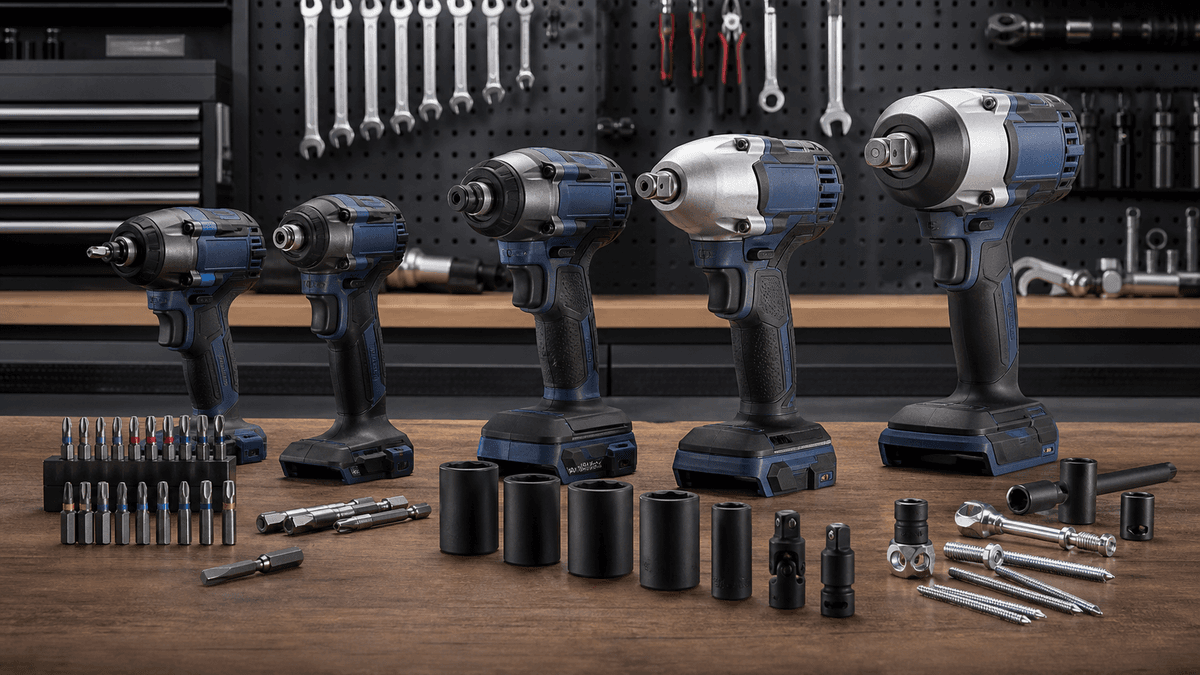
Makita XDT20Z The current 18V LXT 4-speed impact driver delivers 1,590 in-lbs, Quick-Shift control, and compact 4-1/2-inch head length. This page is a research-backed, spec-checked review page for readers who want the quick buying context behind the product card, not a recycled retailer description.
Who This Impact Driver Is For
Makita buyers who want an impact driver for deck screws, cabinet hardware, structural screws, and compact fastening work. The strongest case for this model is not just the badge on the side; it is whether the platform, size, and configuration match the work you repeat most often. For a buyer already invested in 18V / LXT, Makita XDT20Z can make more sense than starting over with another battery ecosystem.
It is also a practical choice when the job calls for deck screws, cabinet hardware, structural screws, and compact fastening work and you want one tool that stays inside a familiar brand platform.
Spec Check
We checked the product record for the model name, battery platform, bare-tool or kit positioning, and the outbound retailer link before keeping it live. The current record identifies this as the bare-tool configuration, which matters because batteries, chargers, blades, wheels, bars, chains, and cases can change the real checkout cost.
- Makita XDT20Z is listed in the 18V / LXT platform as a impact driver in the bare-tool configuration.
- Best-fit use case: Makita Impact Driver.
- Main buying variables: control modes, head length, trigger feel, bit retention, and whether high torque can be tamed for finish work.
More torque is useful only if the driver also gives enough control to avoid stripped screws and damaged material. The model number, included accessories, and platform fit are the details most likely to decide whether this is the right buy.
What Stands Out
Current XDT20 model replaces the older XDT16Z in Makita's premium 18V impact-driver line. Makita brushless motor delivers up to 1,590 in-lbs of torque and 3,600 max RPM. Those are the reasons this model still belongs in the review database and related buying guides. The best use case is a buyer who understands the platform tradeoff and wants a tool that fits a specific workflow instead of a generic all-purpose recommendation.
Tradeoffs To Know
Tool only -- LXT 18V battery and charger required and sold separately. Lower peak torque than Milwaukee and DeWalt's hardest-hitting pro impact drivers. Those limitations are not automatic dealbreakers, but they are the details that separate a smart purchase from a regret buy.
If you are comparing this against a kit, check whether the competing package includes the battery size you would actually use. If you are comparing it against another bare tool, compare the platform you already own first, then the headline specs second.
How To Compare It
The cleanest comparison set for Makita XDT20Z is not every impact driver on the market. It is the closest same-platform model, the closest competing-brand model, and the cheapest credible alternative that still covers deck screws, cabinet hardware, structural screws, and compact fastening work. That keeps the decision grounded in real buying tradeoffs instead of spec-sheet noise.
For most readers, the first question is platform ownership. If you already own batteries in 18V / LXT, this model gets a natural advantage because the checkout price can stay lower and the tool is easier to fold into your shop. If you do not own the platform, treat the battery and charger as part of the purchase even when the retailer headline makes the tool look inexpensive.
The second question is workload. A buyer doing occasional homeowner work can prioritize weight, control, and package value. A buyer using the tool every week should put more weight on durability signals, accessory availability, and whether the tool has enough headroom for tougher material. That difference is why this review keeps the recommendation tied to use case rather than calling it a universal winner.
Quick-Shift Modes, Assist Features, and Battery Fit
Makita builds the XDT20Z around fine fastener control rather than chasing maximum torque numbers. Alongside four standard speed settings (ranging up to 3,600 RPM and 3,800 IPM), its Quick-Shift Mode switch sits cleanly above the trigger for single-hand toggling between a programmable preset and full speed. Dedicated assist modes automatically ramp down rotation after tightening wood screws or loosen nuts without spinning fasteners completely off threads, and the dual-mode Tightening Mode helps seat self-drilling metal screws without shearing screw heads.
At just 4-1/2 inches head-to-tail, the XDT20Z excels inside narrow cabinet carcasses, electrical boxes, and framing stud bays. Pairing it with a slim 2.0Ah LXT pack preserves tight clearance and cuts wrist fatigue overhead, while a 4.0Ah or 5.0Ah LXT battery gives the tool a flat standing base on workbenches and sustained endurance for long deck-screw runs. Use impact-rated 1/4-inch hex shank bits to handle full hammer energy cleanly.
Bottom Line
Makita XDT20Z is worth considering when you want a Makita Impact Driver option and the 18V / LXT platform fits your shop. It is not the automatic pick for every buyer, but it is a credible shortlist model when the configuration, accessories, and real work pattern line up.
Correction, October 21, 2026: Removed obsolete references to a numerical rating. This research-backed page does not present a measured test score.